

Picking the print method for the job
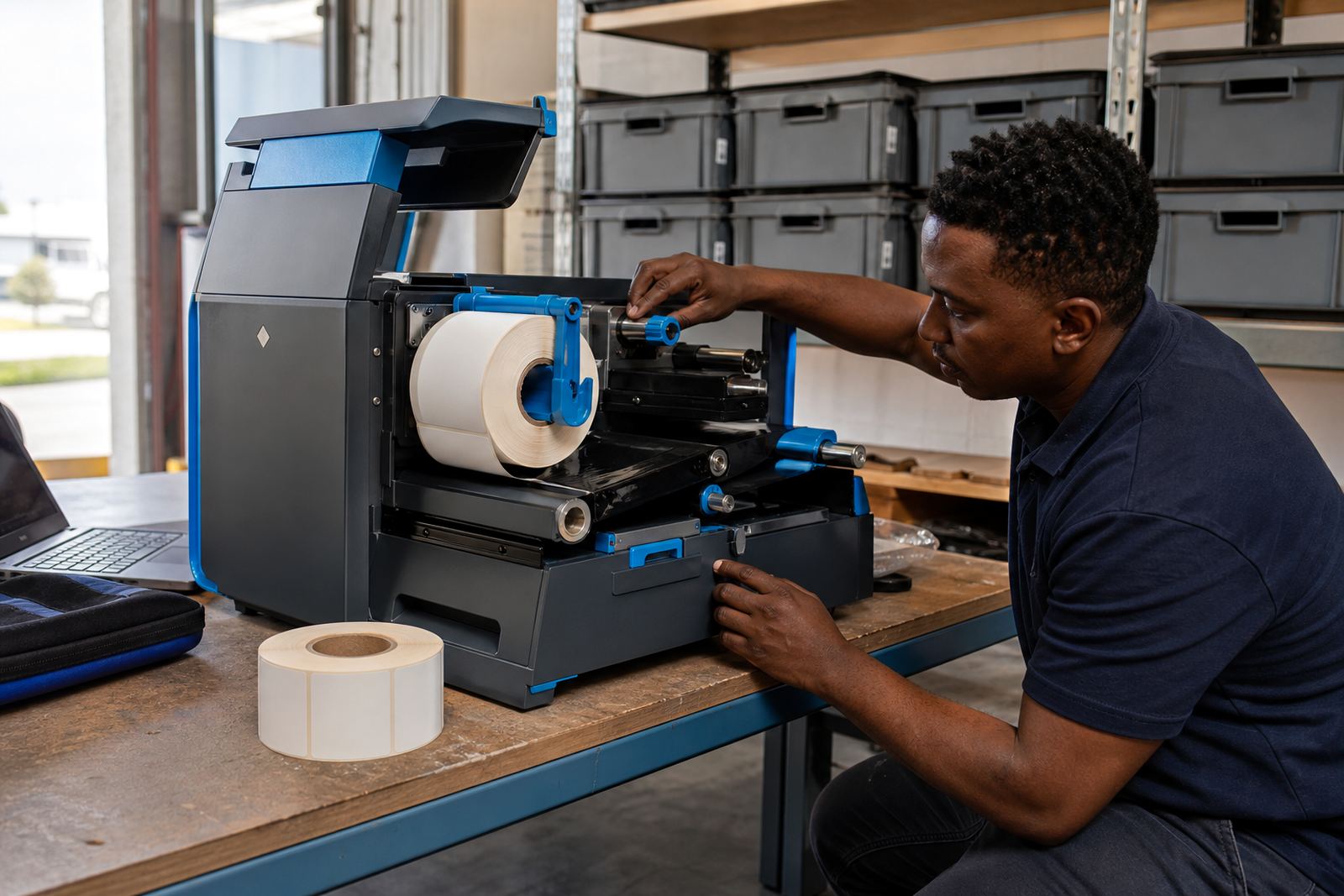
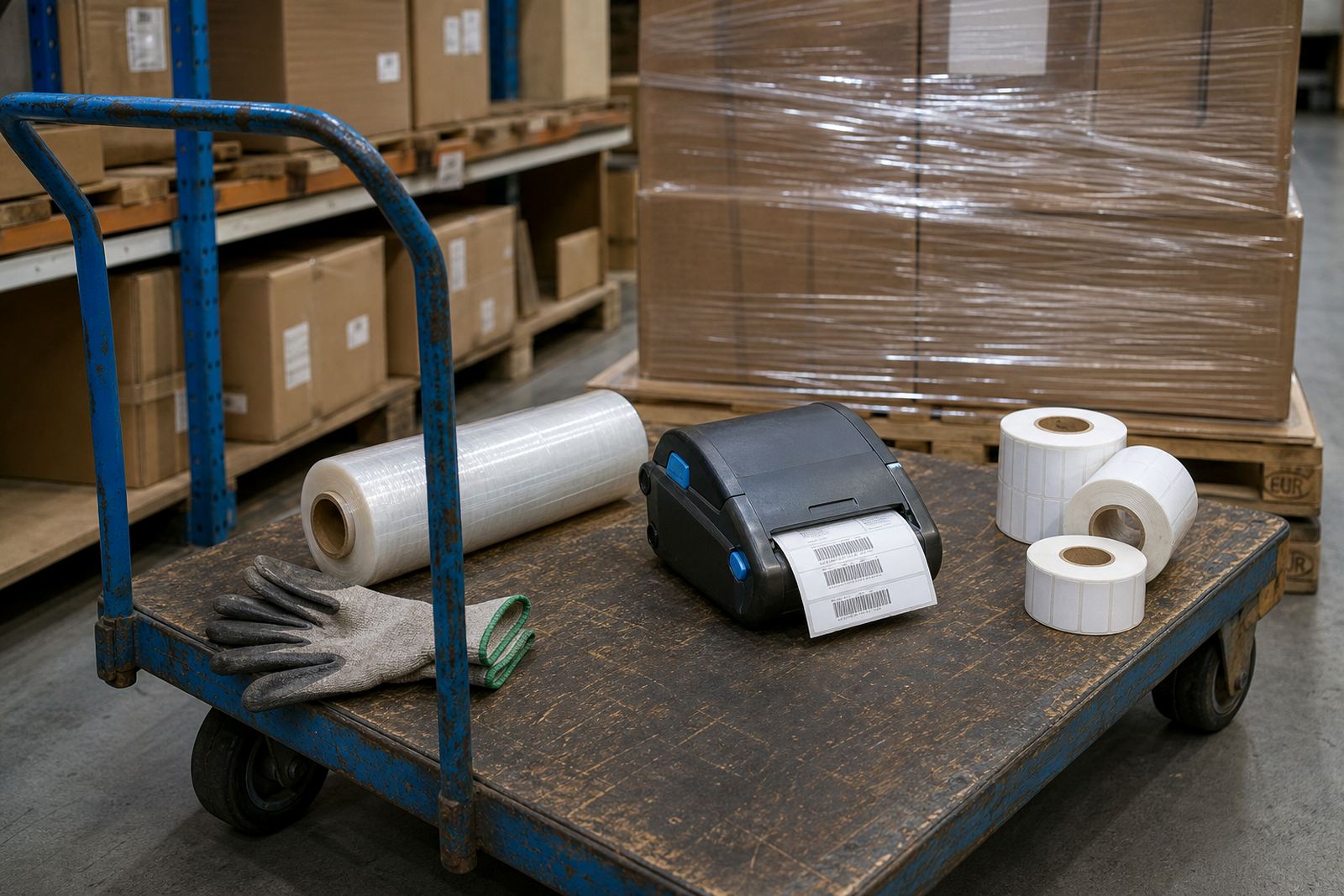
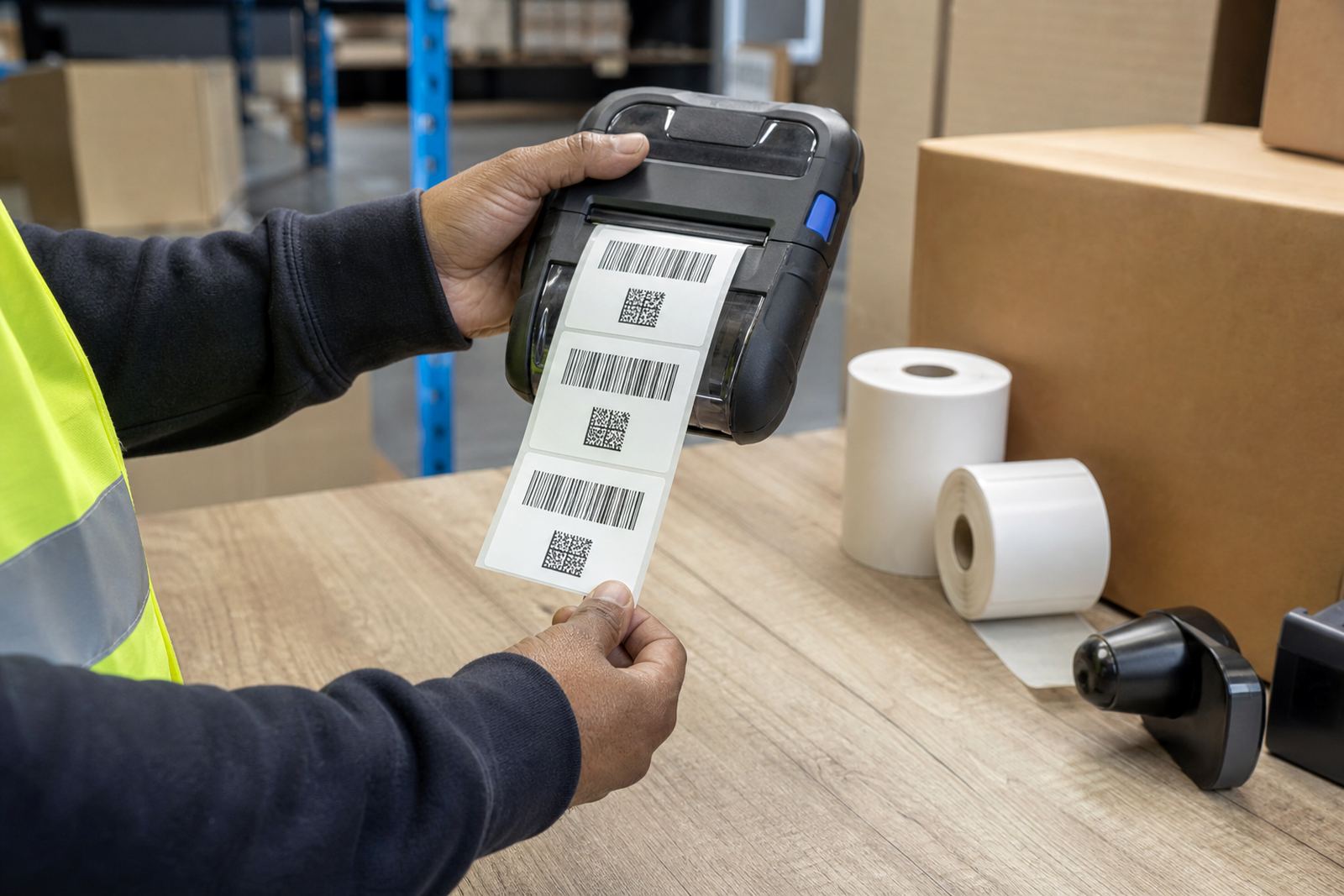
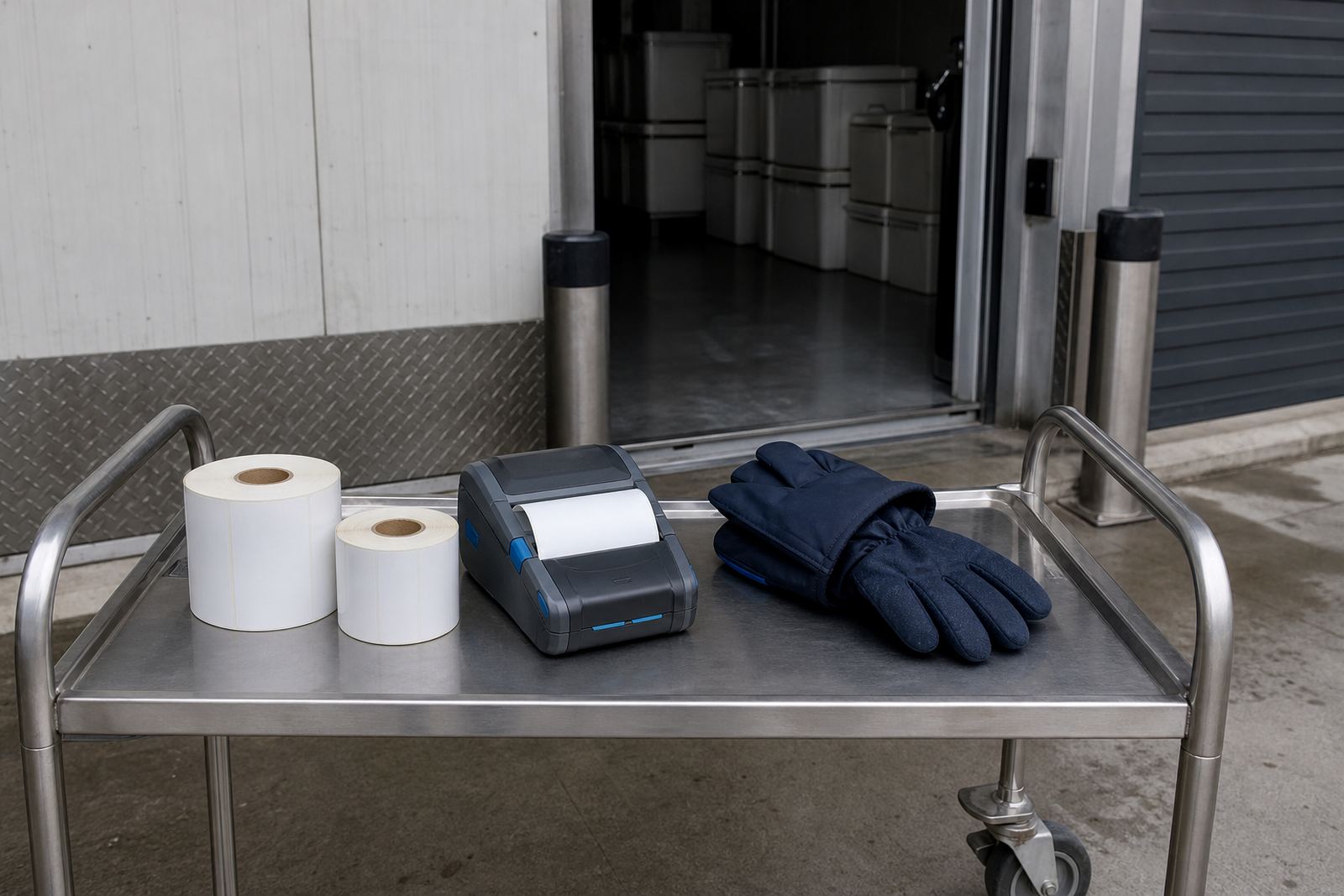
Direct thermal printers suit short-life labels where speed matters more than long shelf life. Thermal transfer printers use a ribbon to place a tougher print on the label, which helps when barcodes, serials or handling notes need to stay clear after storage, rubbing or light moisture.
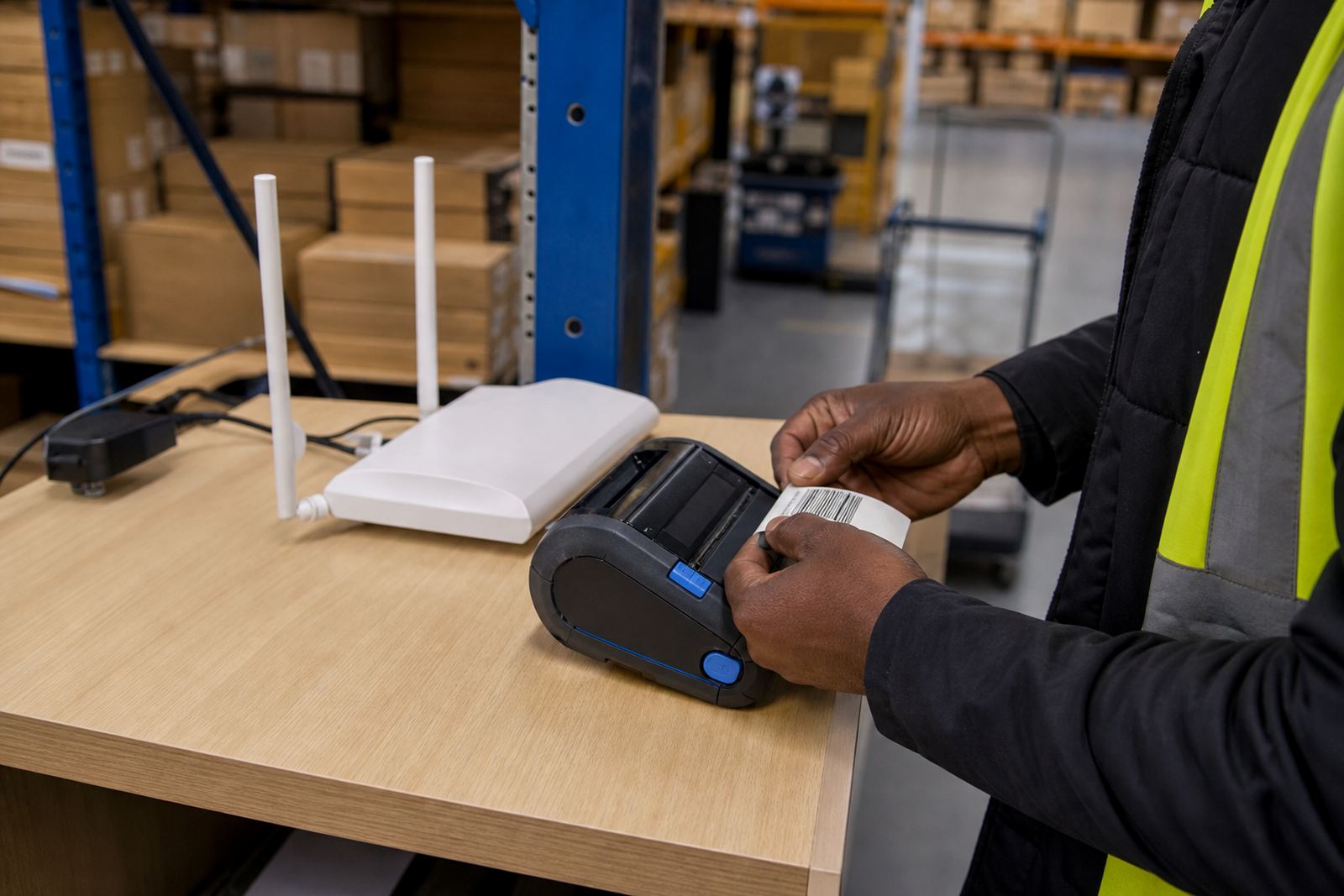
The best choice depends on how long the label must stay readable, where it will sit and the surface it will face. For carton labels, shelf labels and dispatch work, the print method should match the duty, not just the device size. A narrow mobile unit may be enough for small stock codes, while wider models suit shipping and warehouse labelling.
Range, battery life and carry comfort
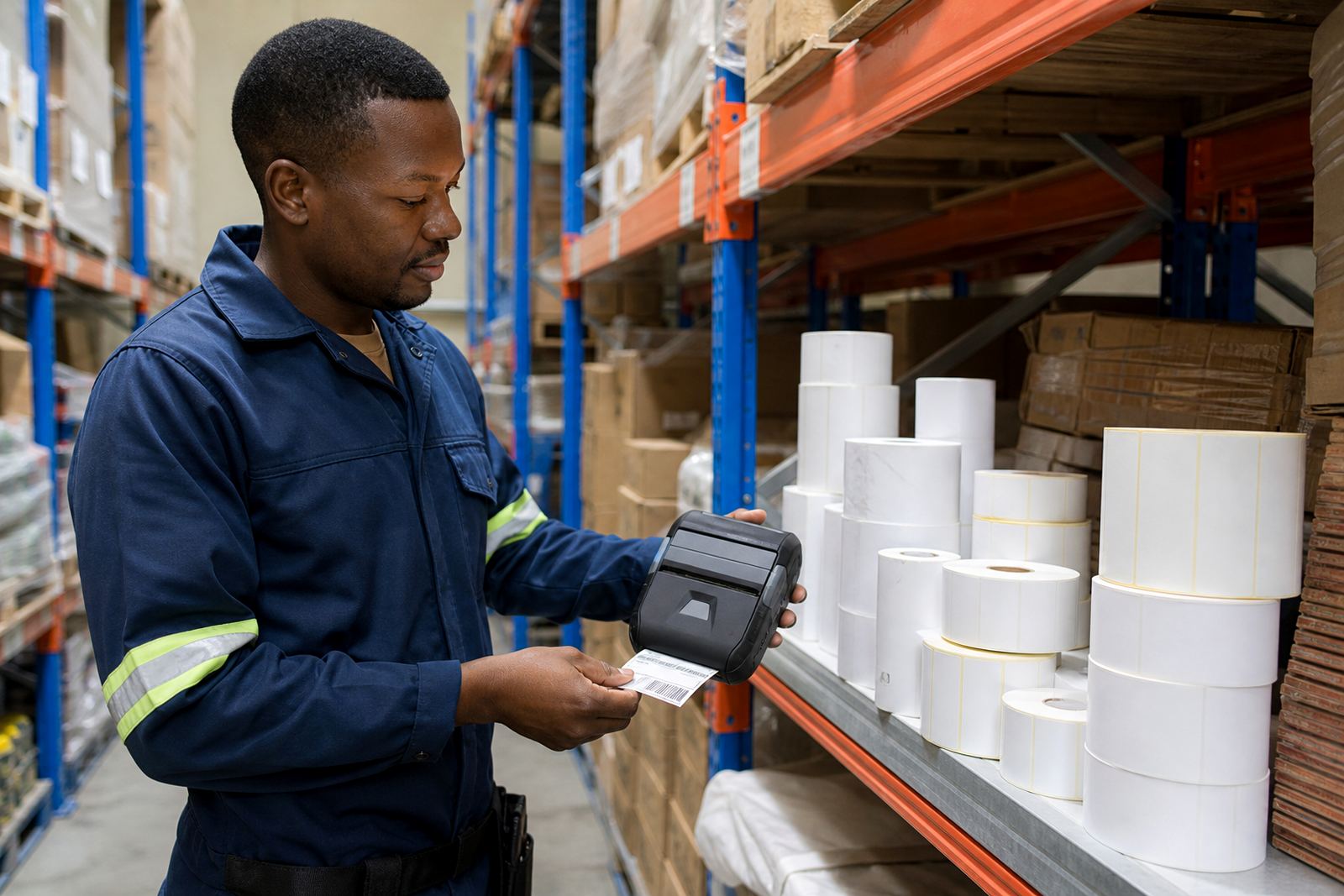
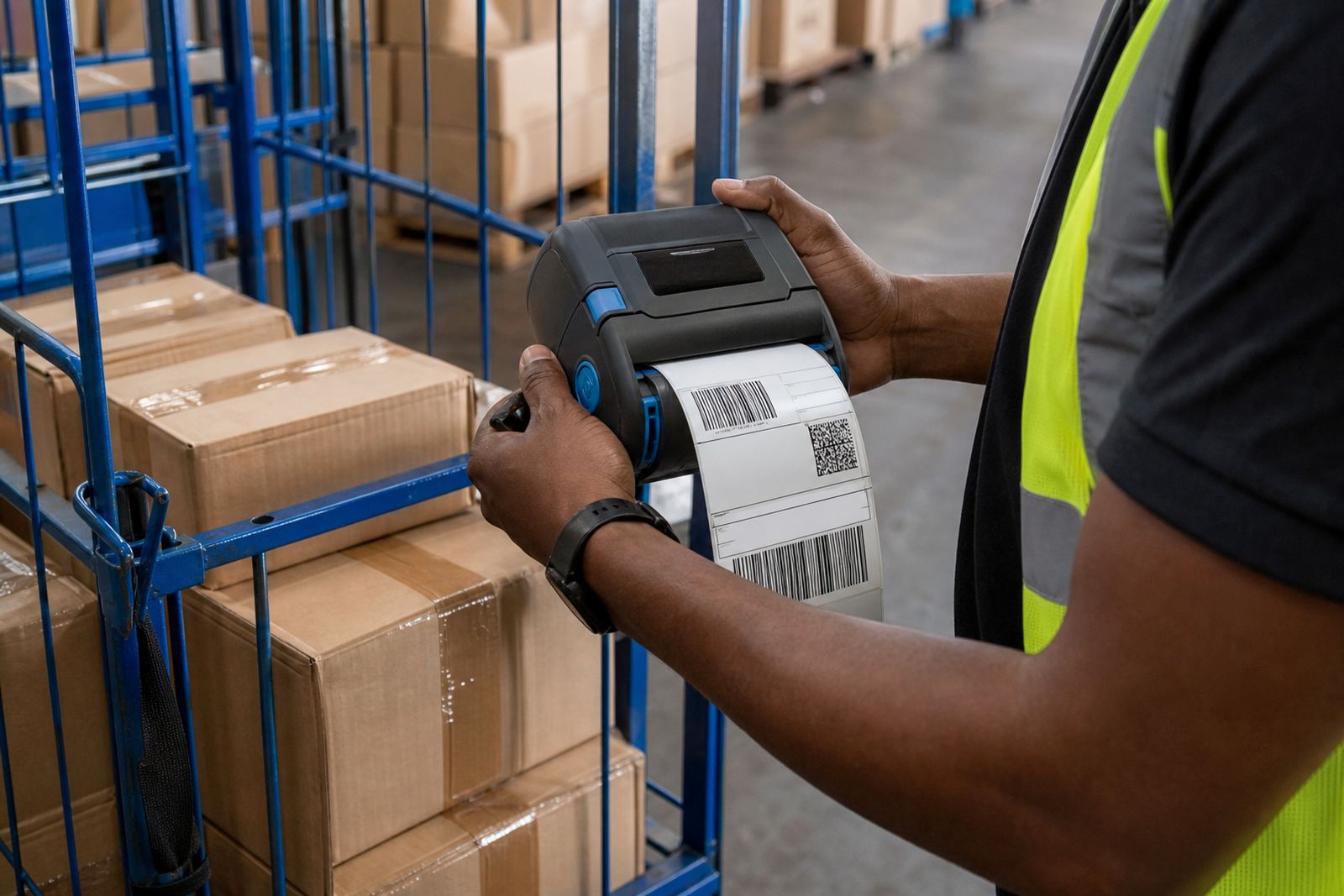
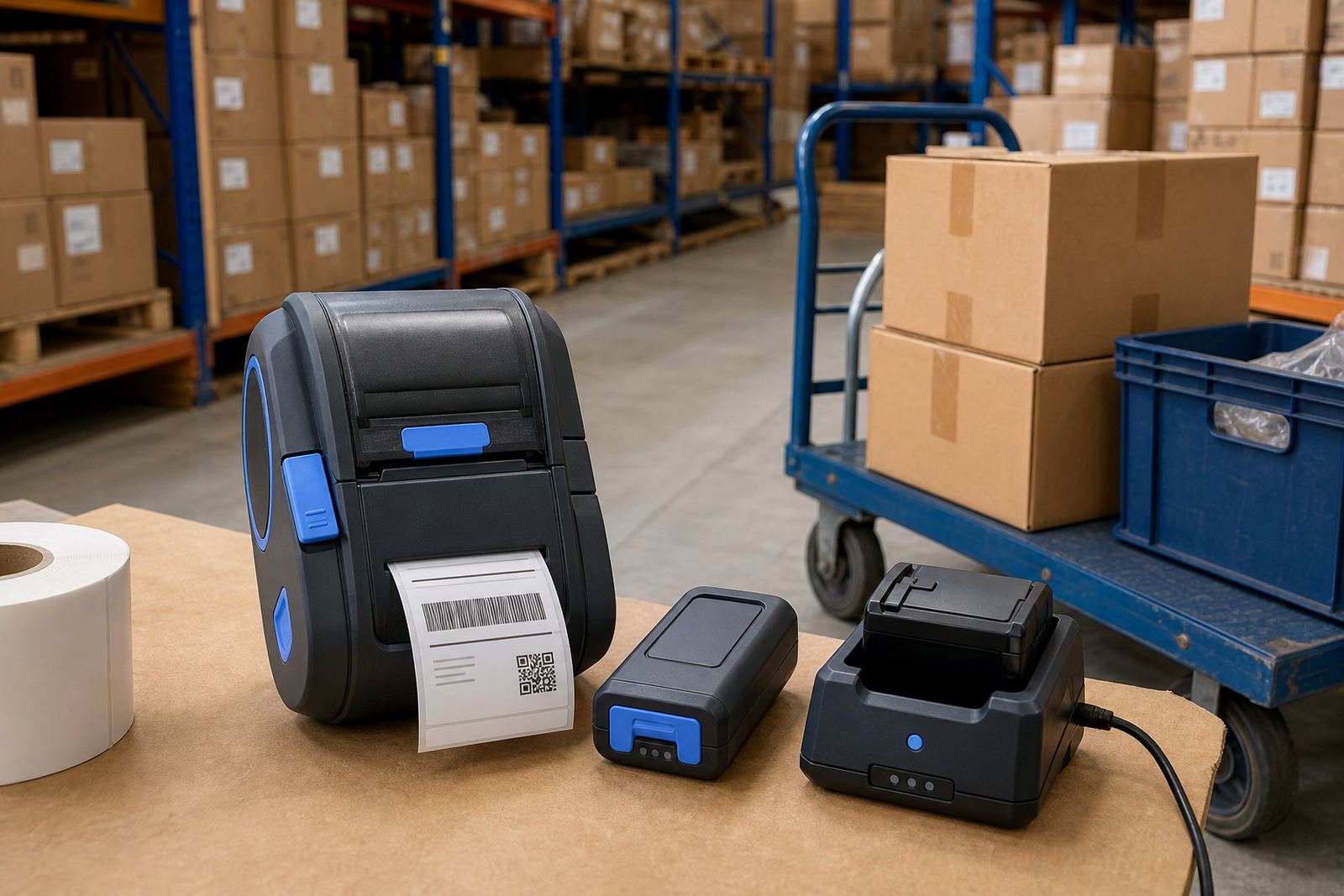
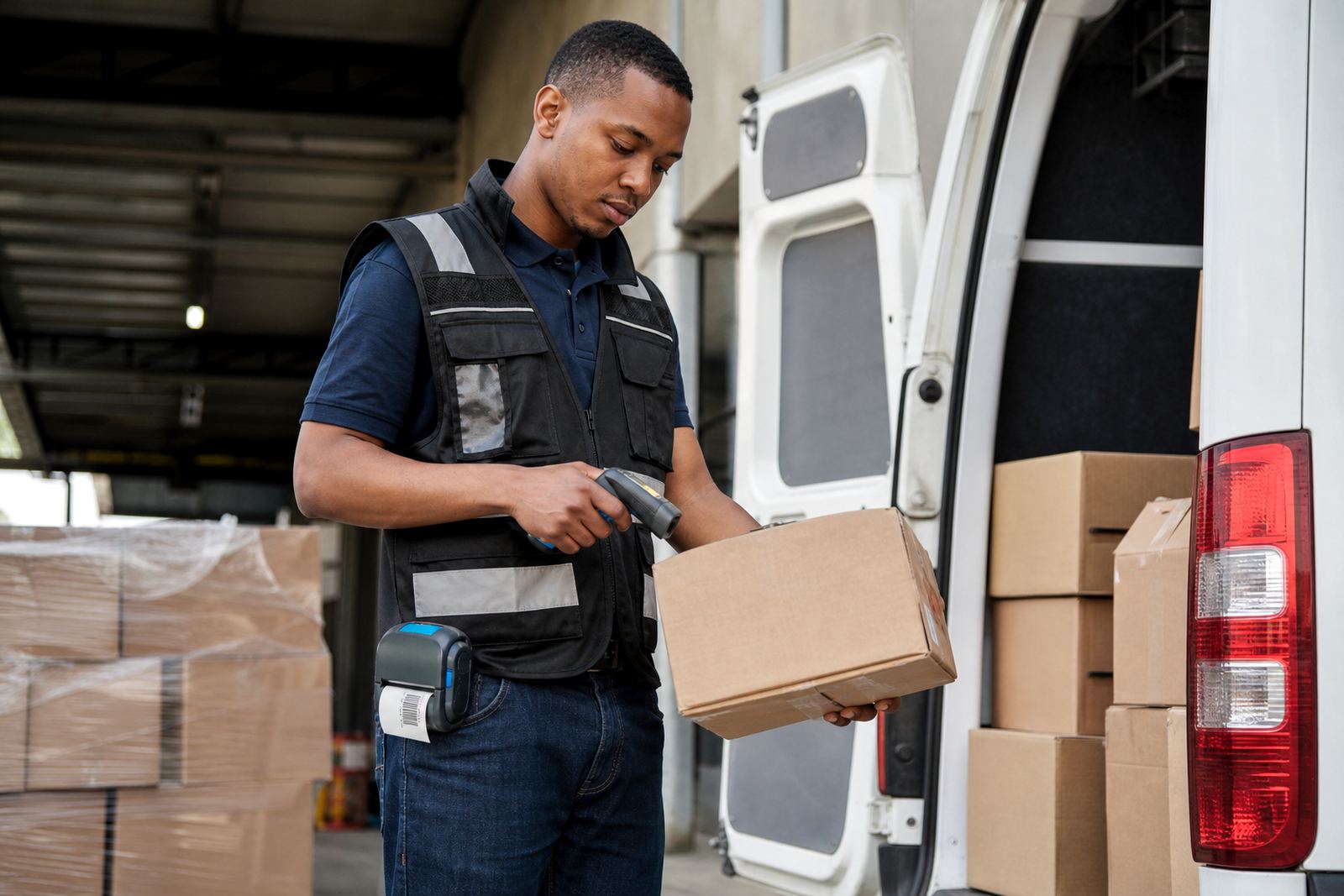
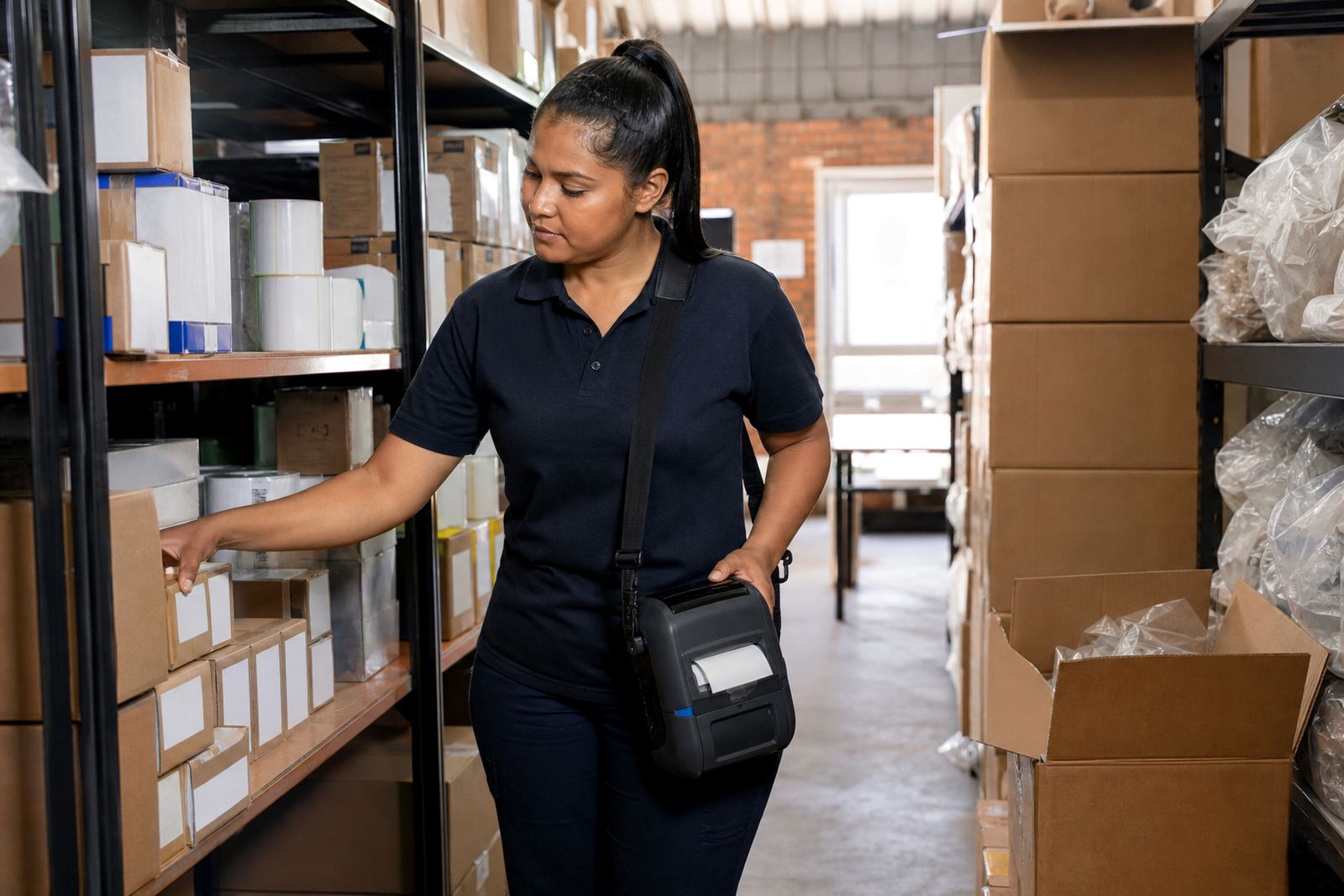
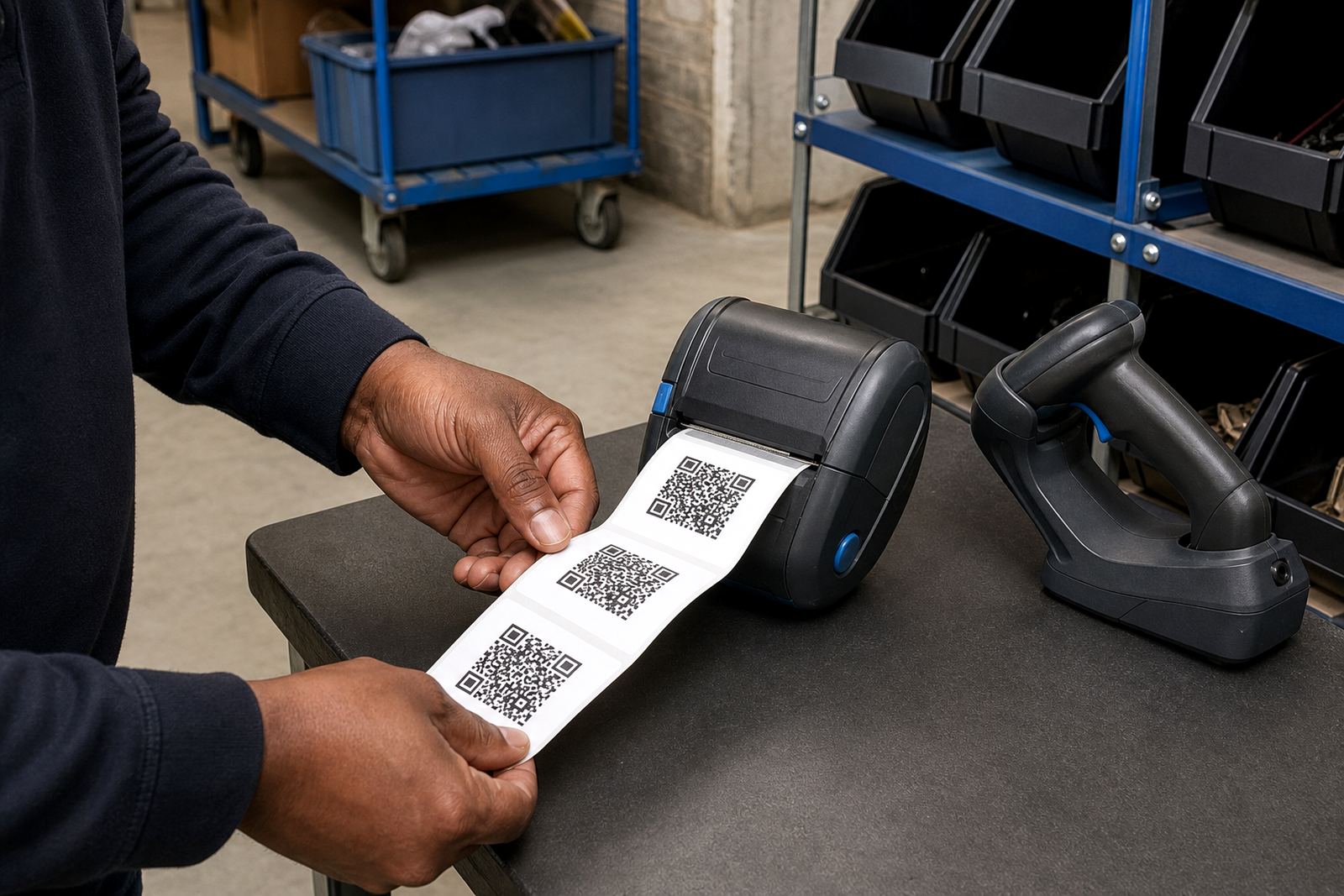
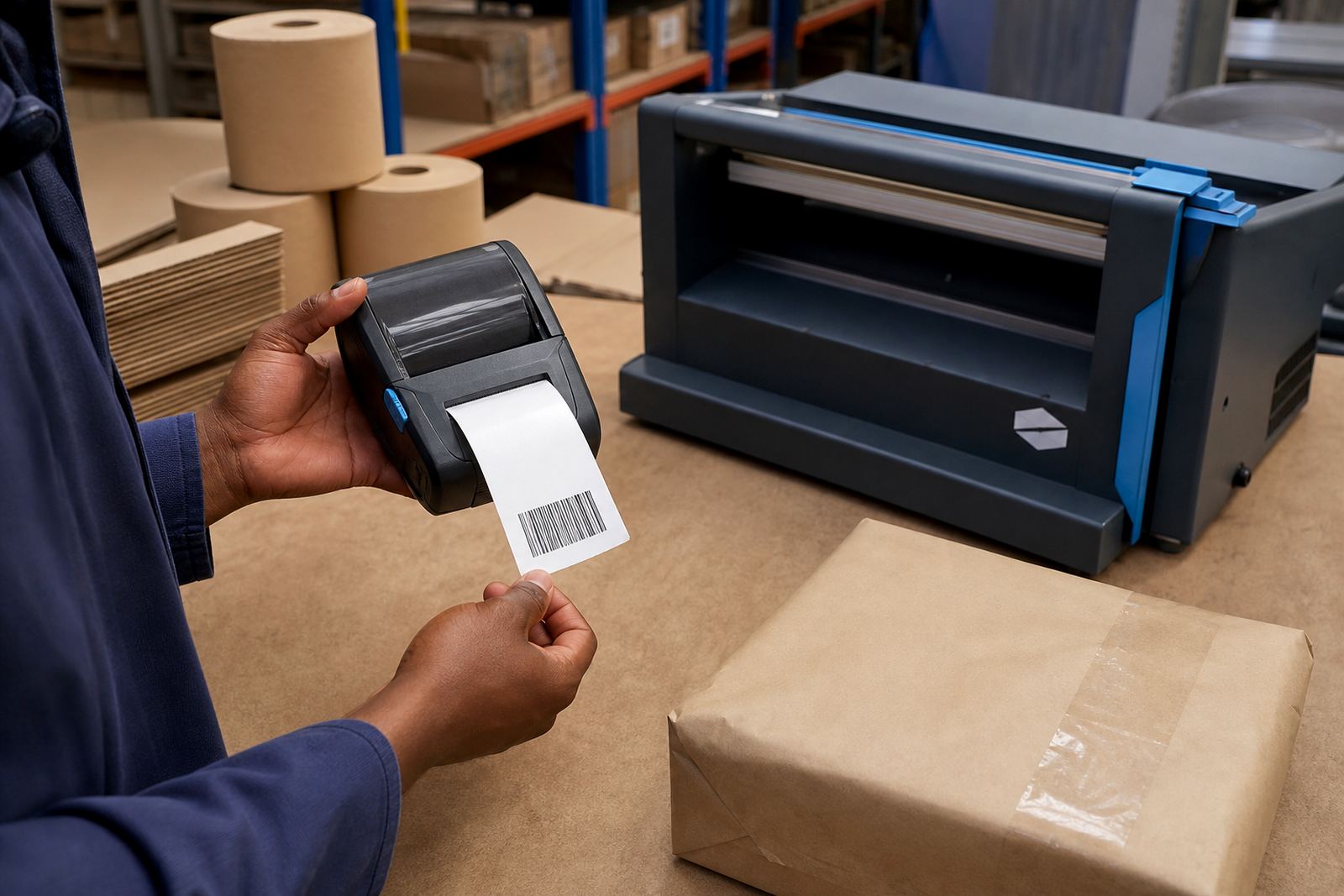
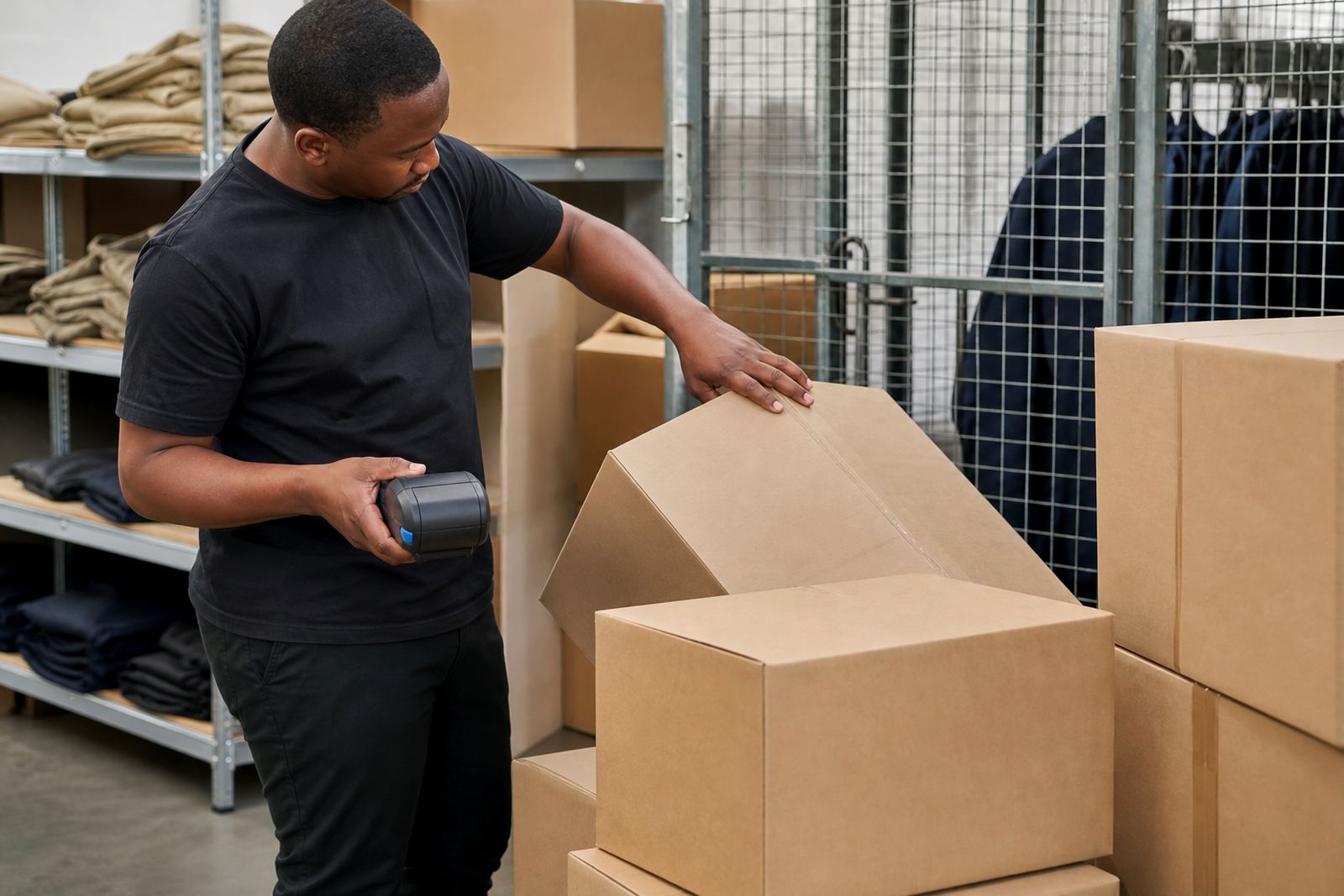
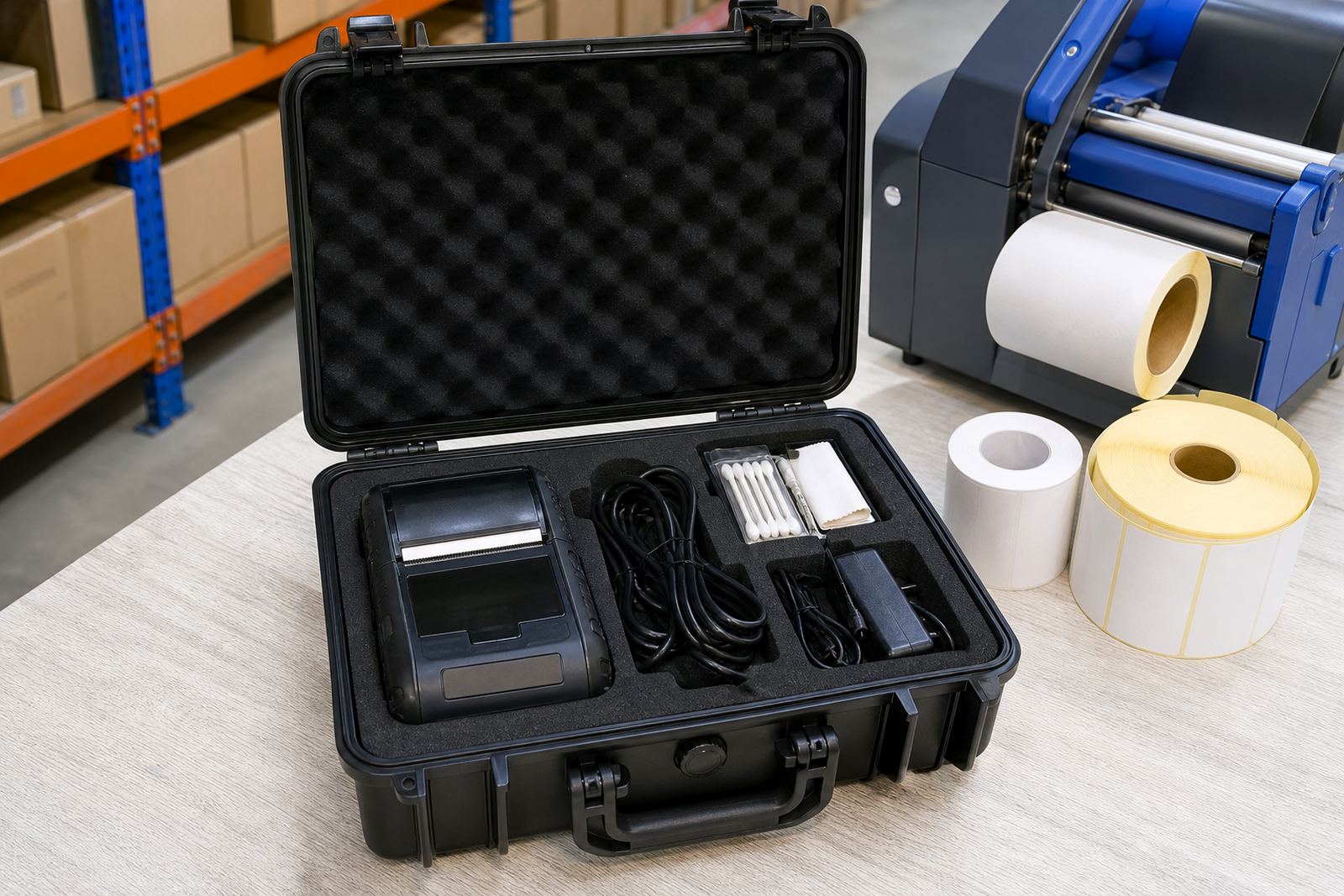
Mobile units are built for work that moves with the operator. Many handle common label widths from small asset tags through to wider shipping labels, and battery capacity affects how much scanning, labelling and re-labelling can happen before a recharge. On a busy floor, that matters more than a glossy spec sheet.
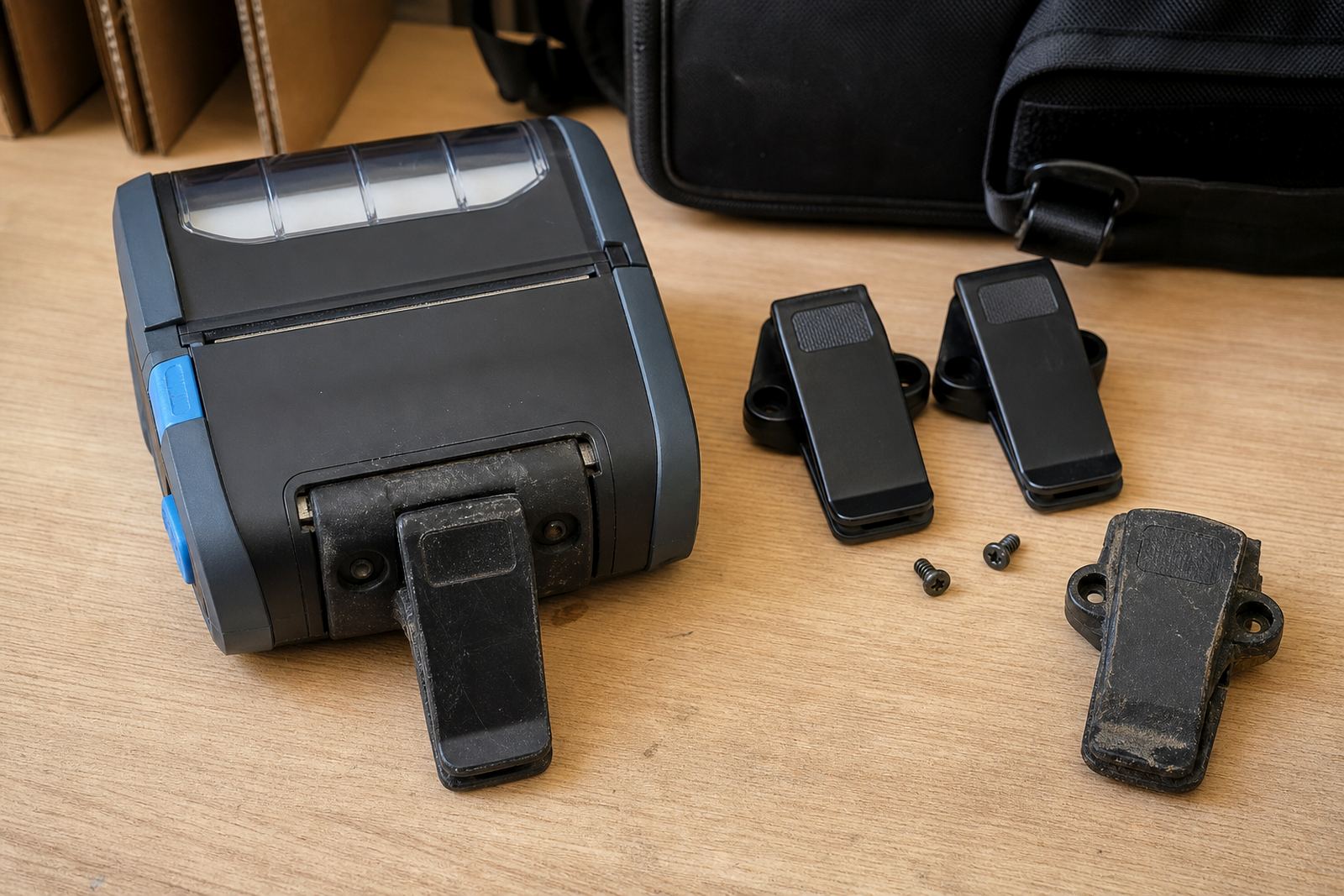
- Belt clips help keep the printer secure during pick runs
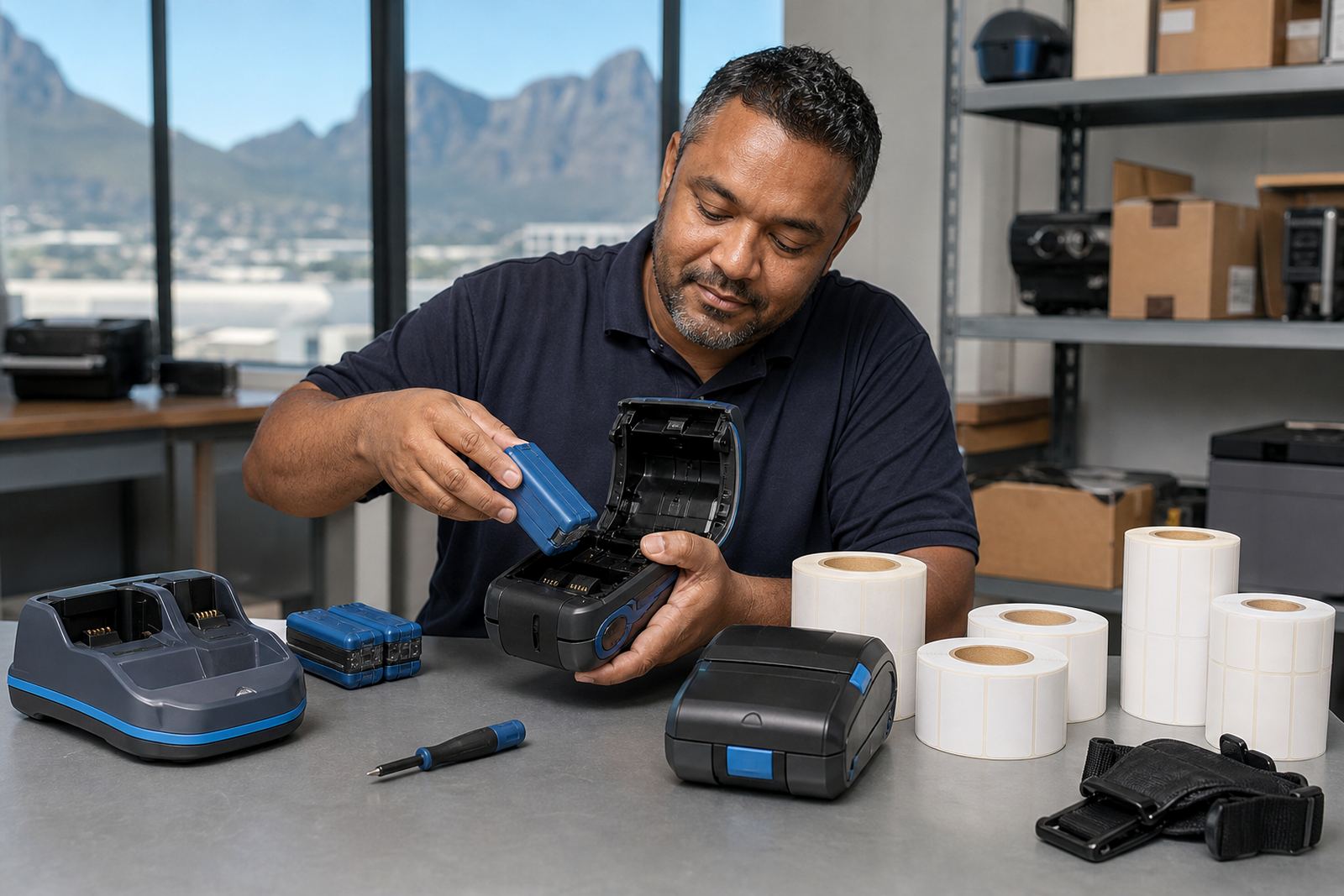
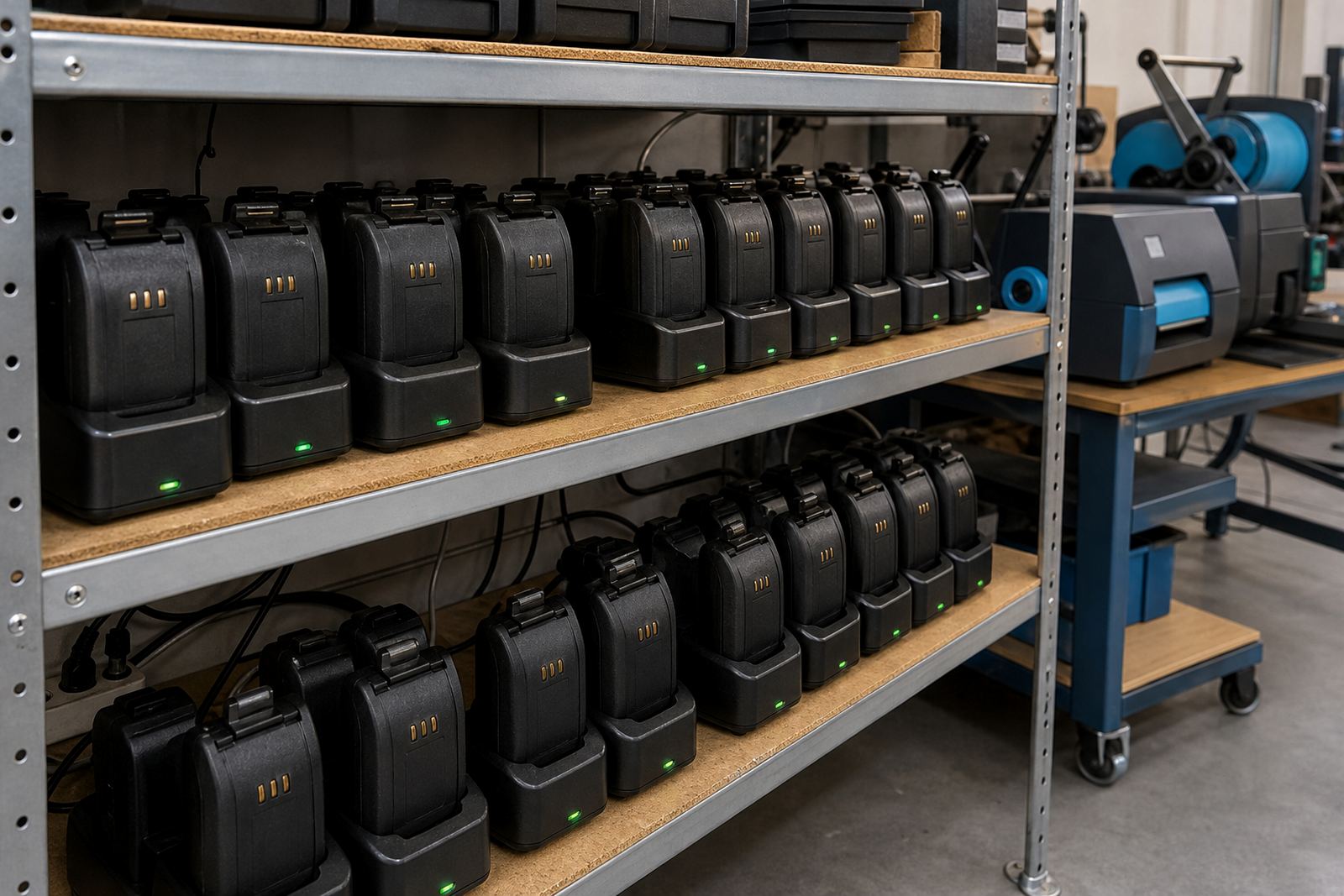
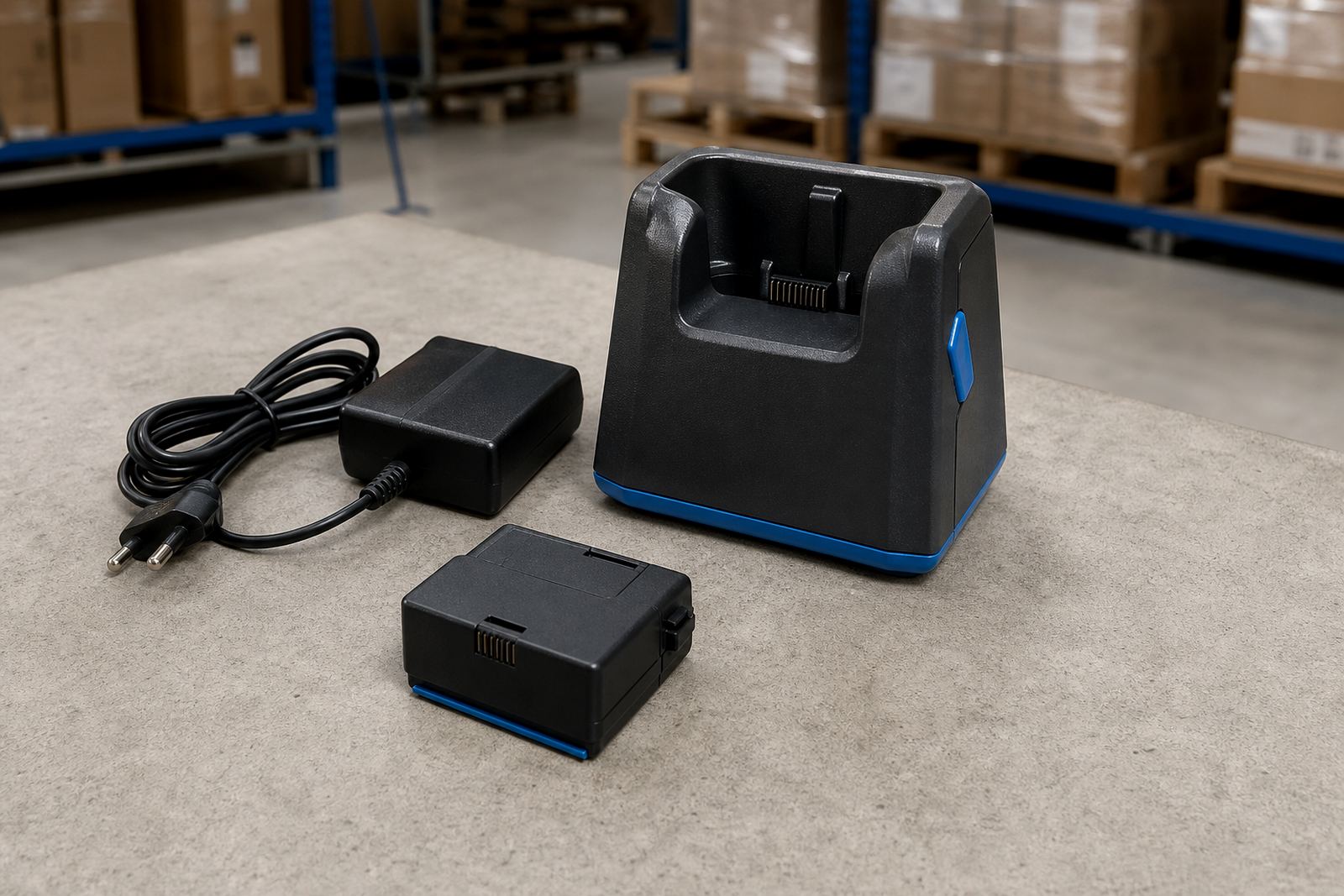
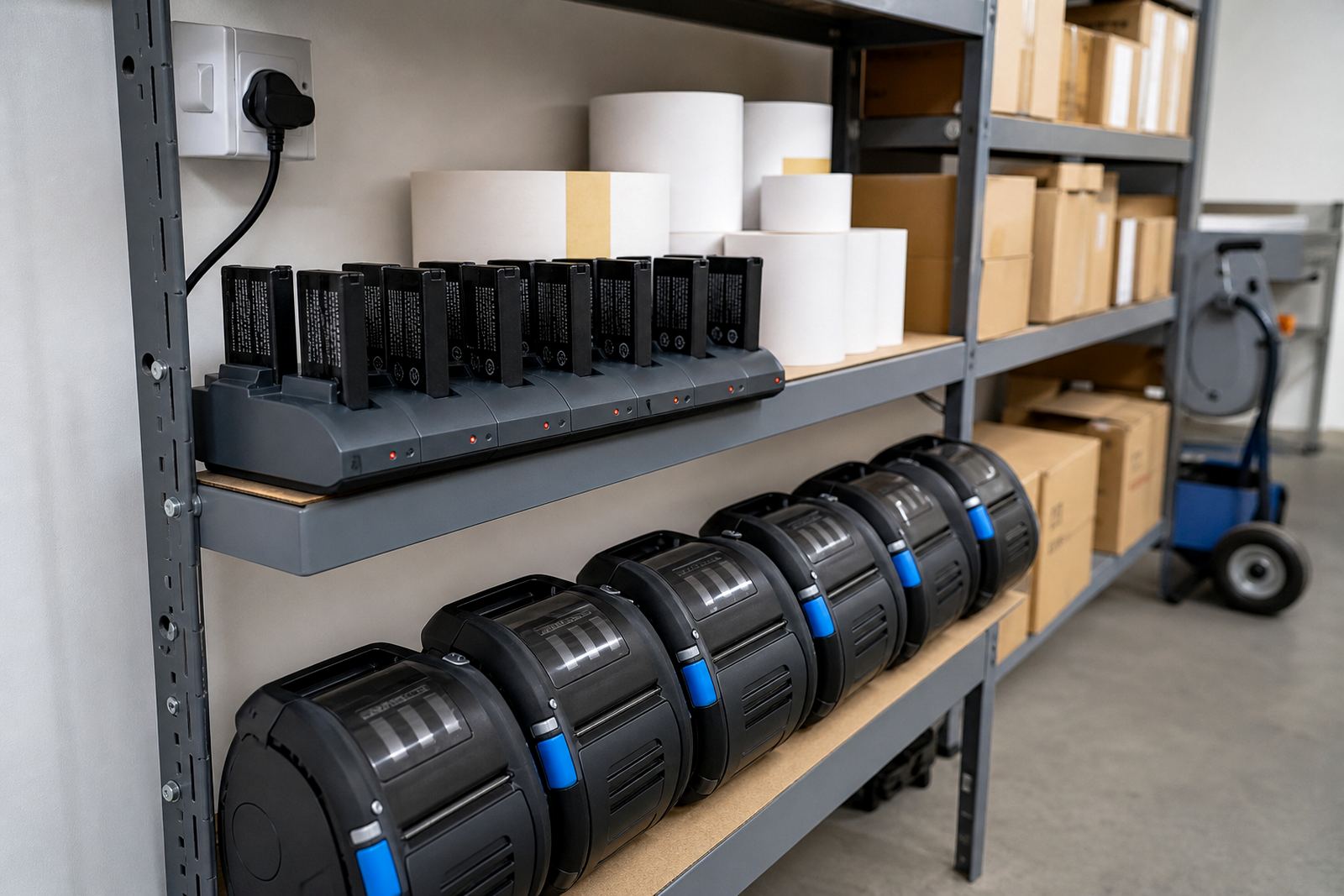
- Spare batteries reduce interruptions when a unit is in constant use
- Light casing and a balanced grip make longer runs less tiring
- Battery testing helps spot weak packs before they fail on shift
In coastal areas such as Cape Town and Gqeberha, storage conditions also count. Heat, dust and moisture around loading bays can shorten the useful life of weak batteries and tired connectors.
Pairing that fits warehouse traffic
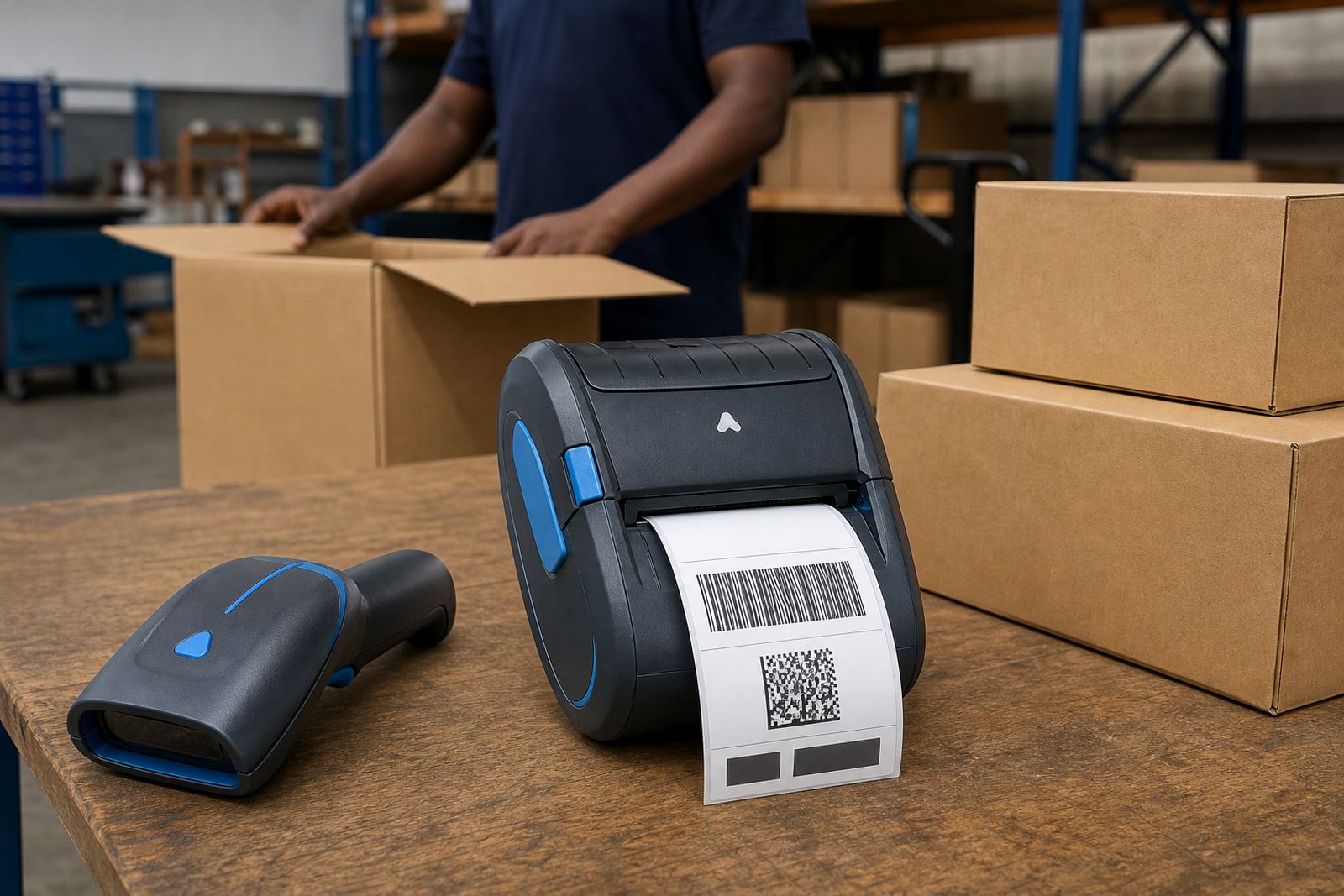
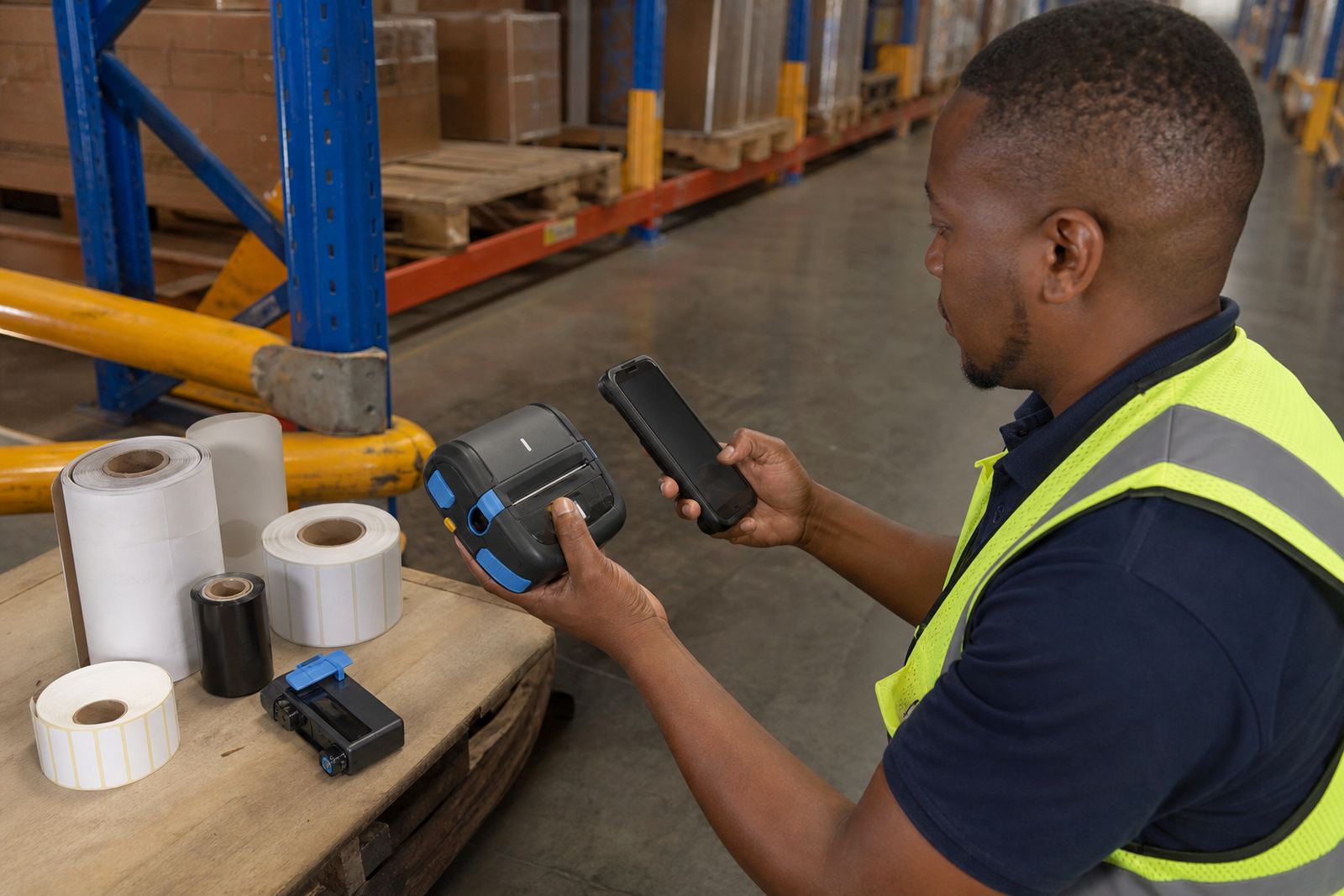
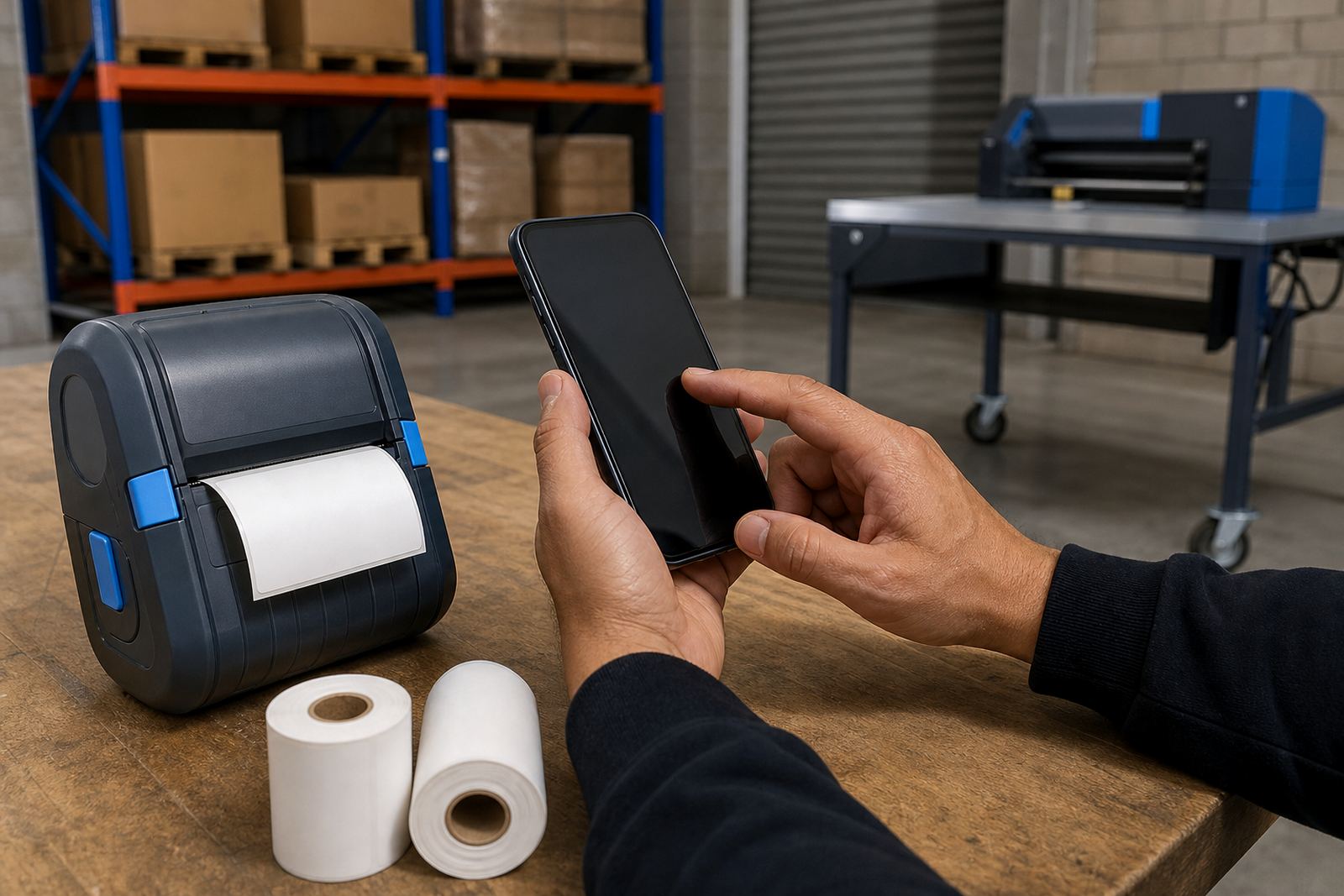
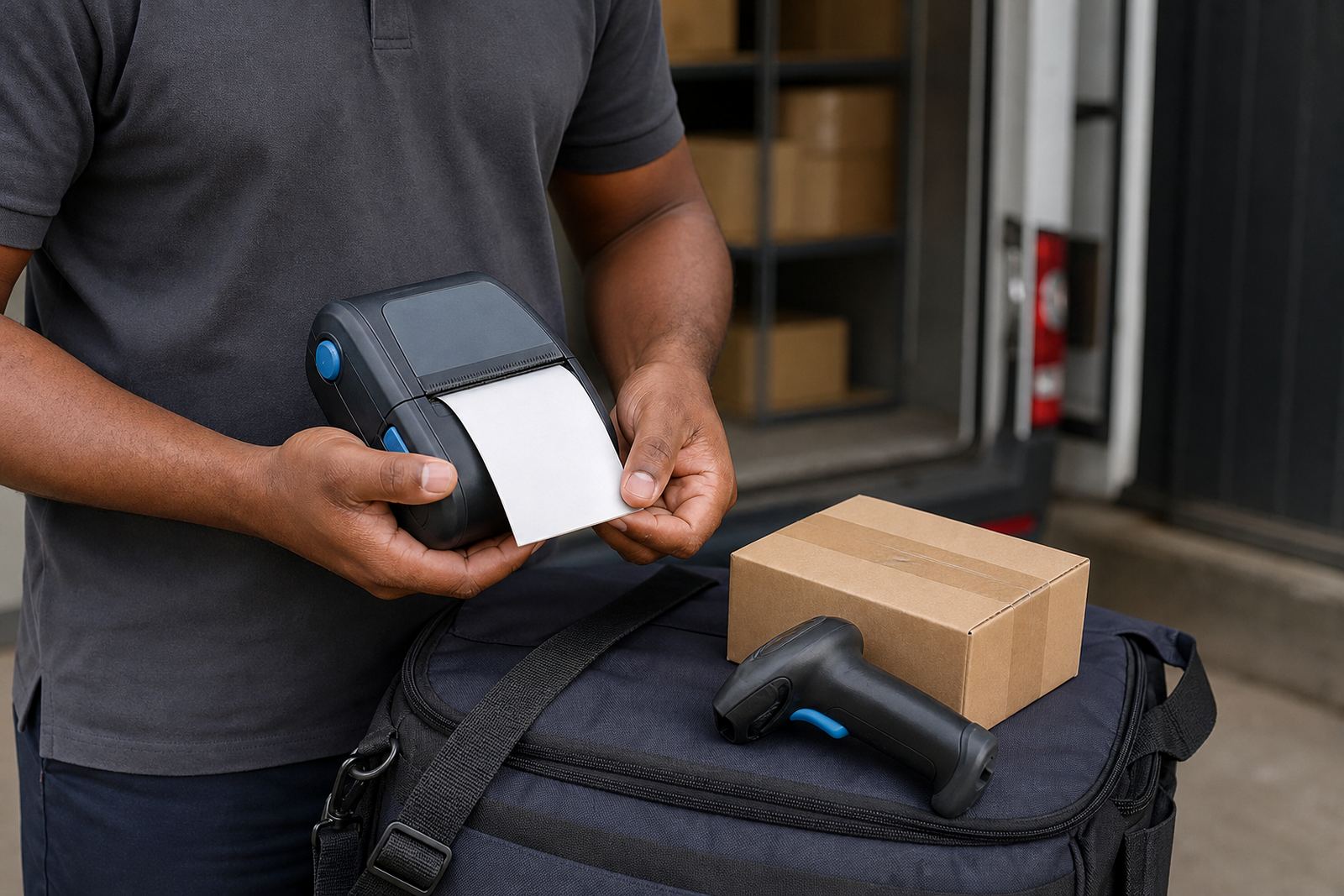
Bluetooth pairing suits quick device links and short-range printing from handheld scanners or tablets. Wi-Fi setup is better where the printer needs to sit on a shared network, or where several workstations may send print jobs during the day. The better option depends on the way your team moves, not on a generic setup note.
Connection settings need to be checked with care, especially where stockrooms already use scanners, mobile terminals and different user profiles. A clean pairing process avoids repeat entry of label formats and helps keep barcode and QR printing aligned with the right template.
Label rolls, fit and print quality
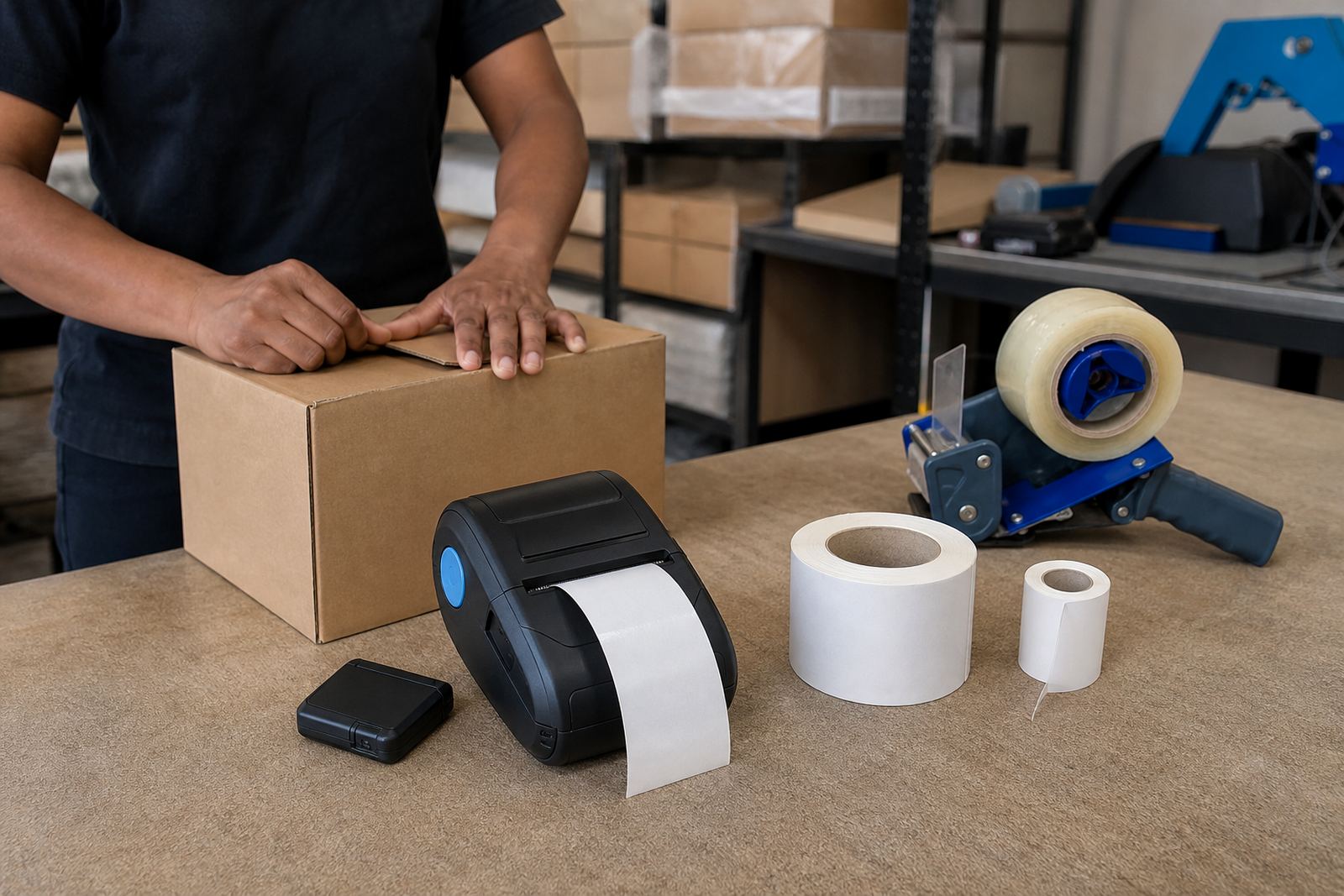
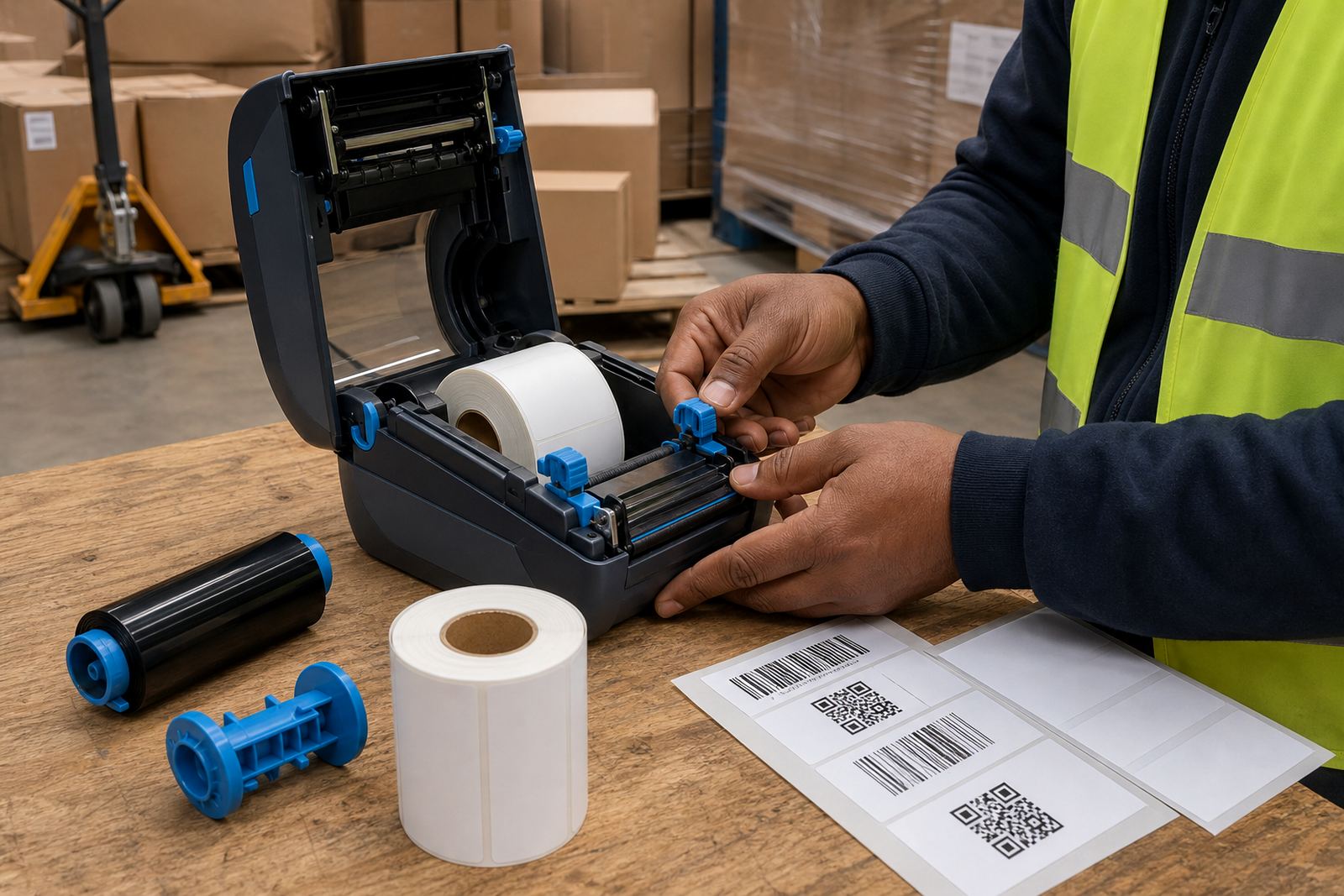
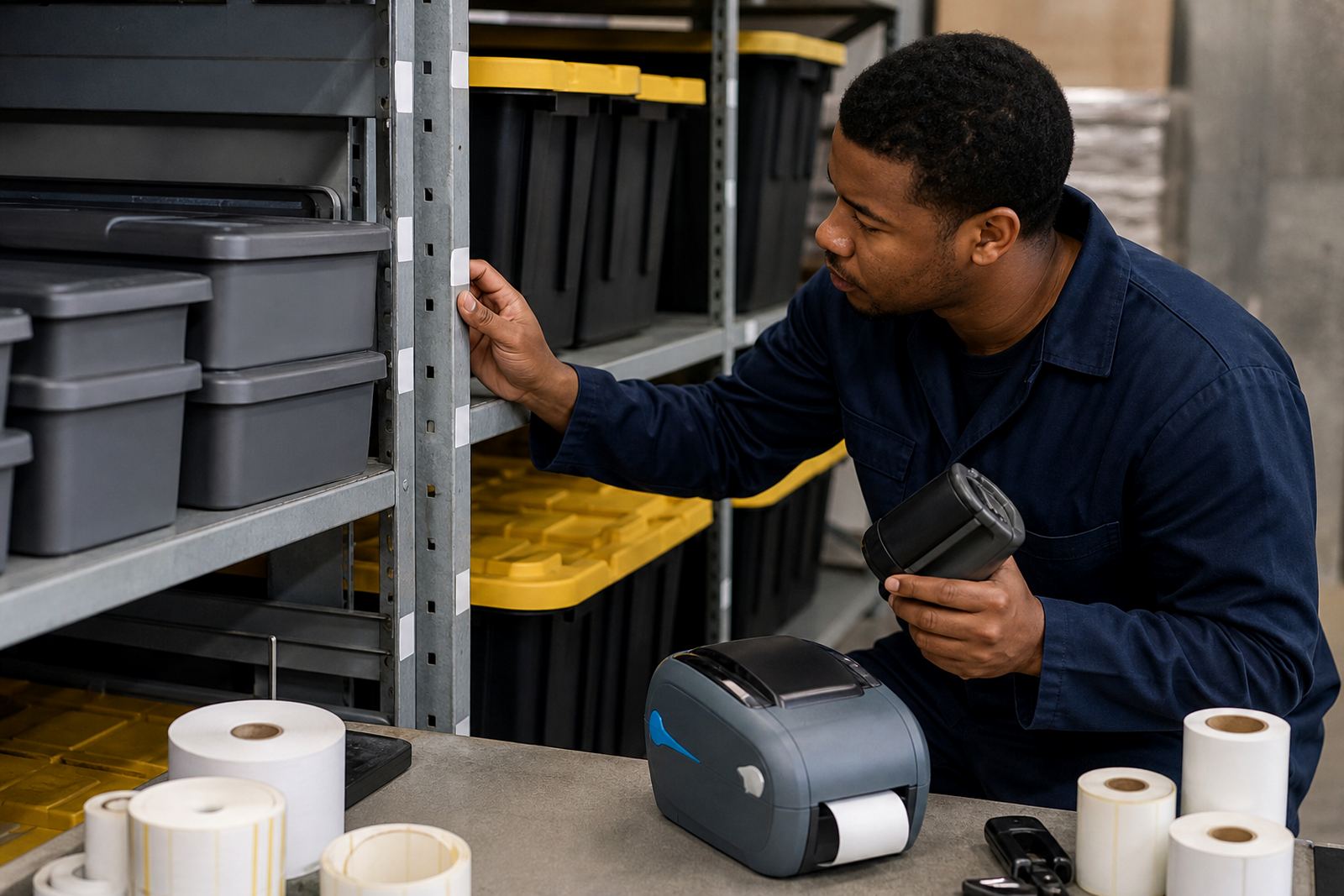
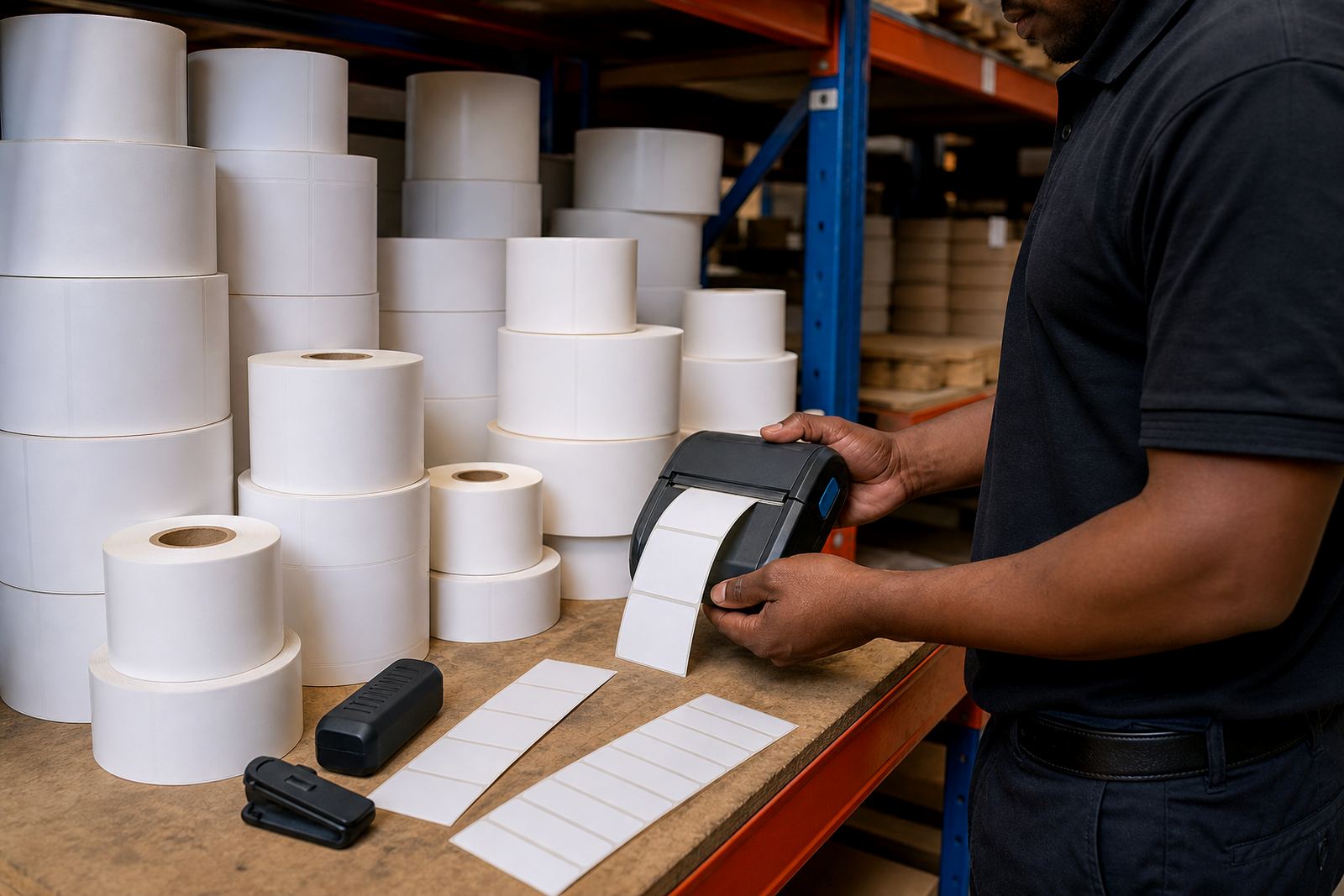
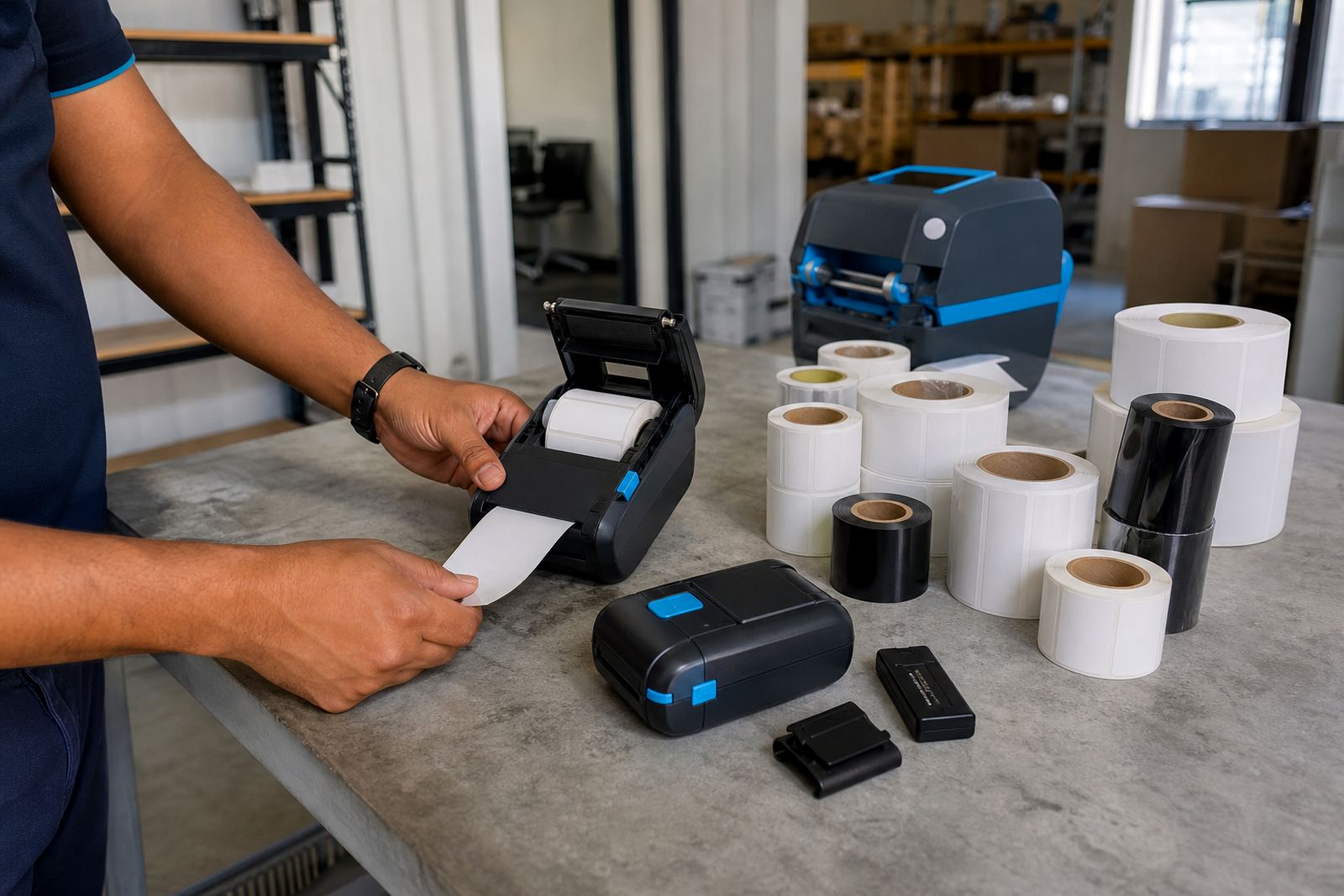
Label size should match the item, the carton and the scanner reading distance. If the label is too small, barcodes can blur or crowd the edge. If it is too large, the roll wastes material and the printer may feed unevenly. Direct thermal rolls and thermal transfer rolls are not interchangeable in practice, so the media has to suit the print method and the end use.
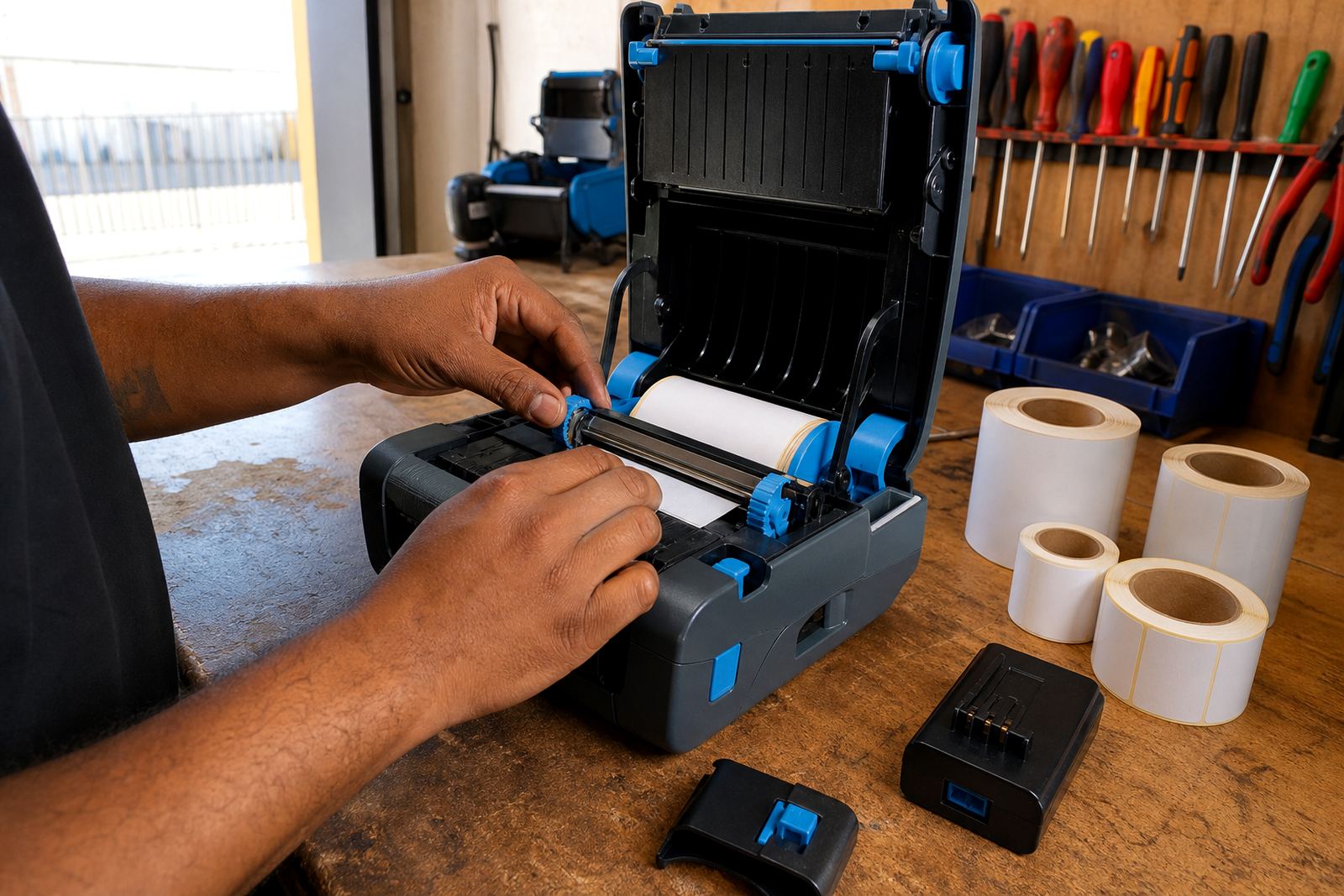
- Label calibration keeps the feed aligned to the roll width
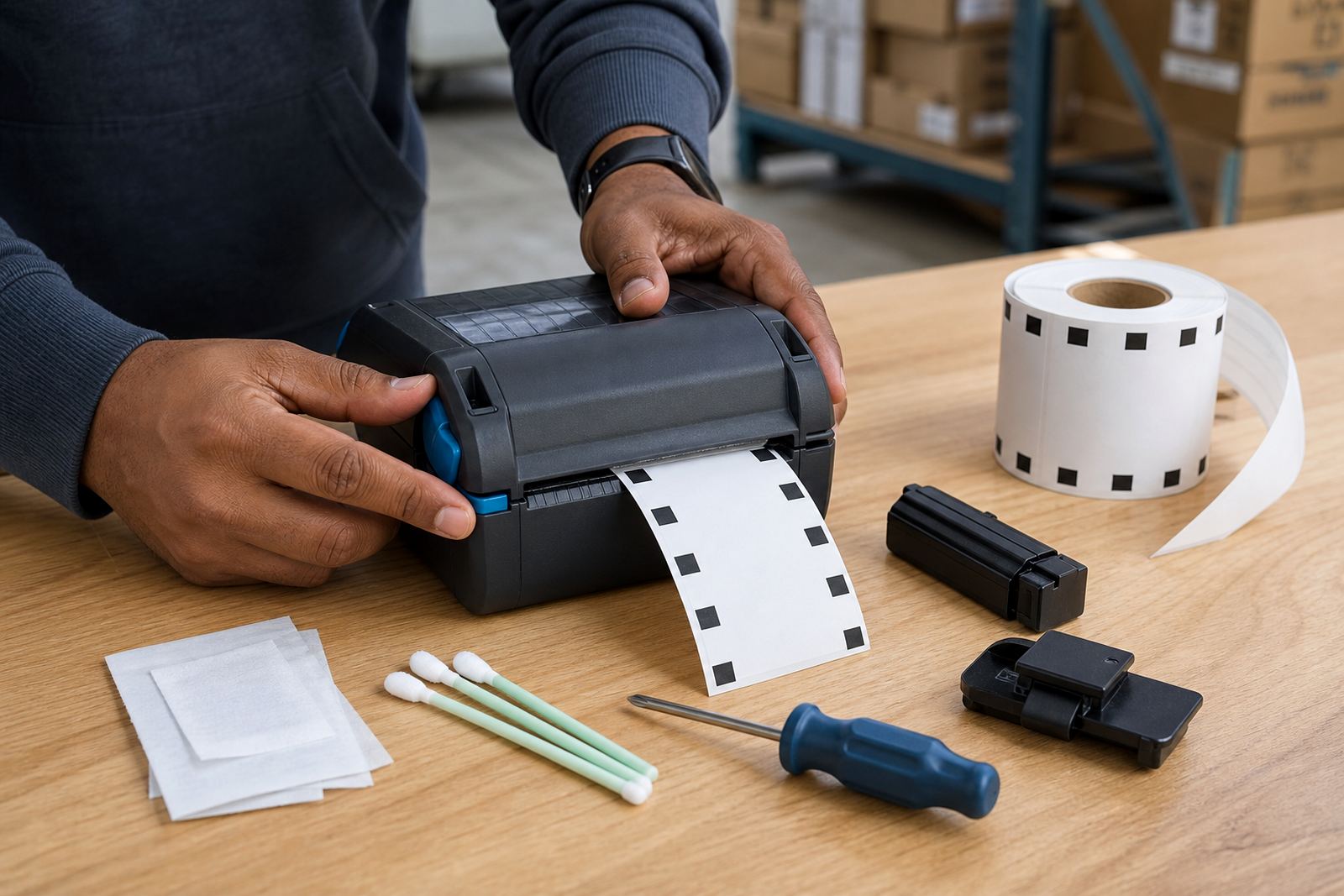
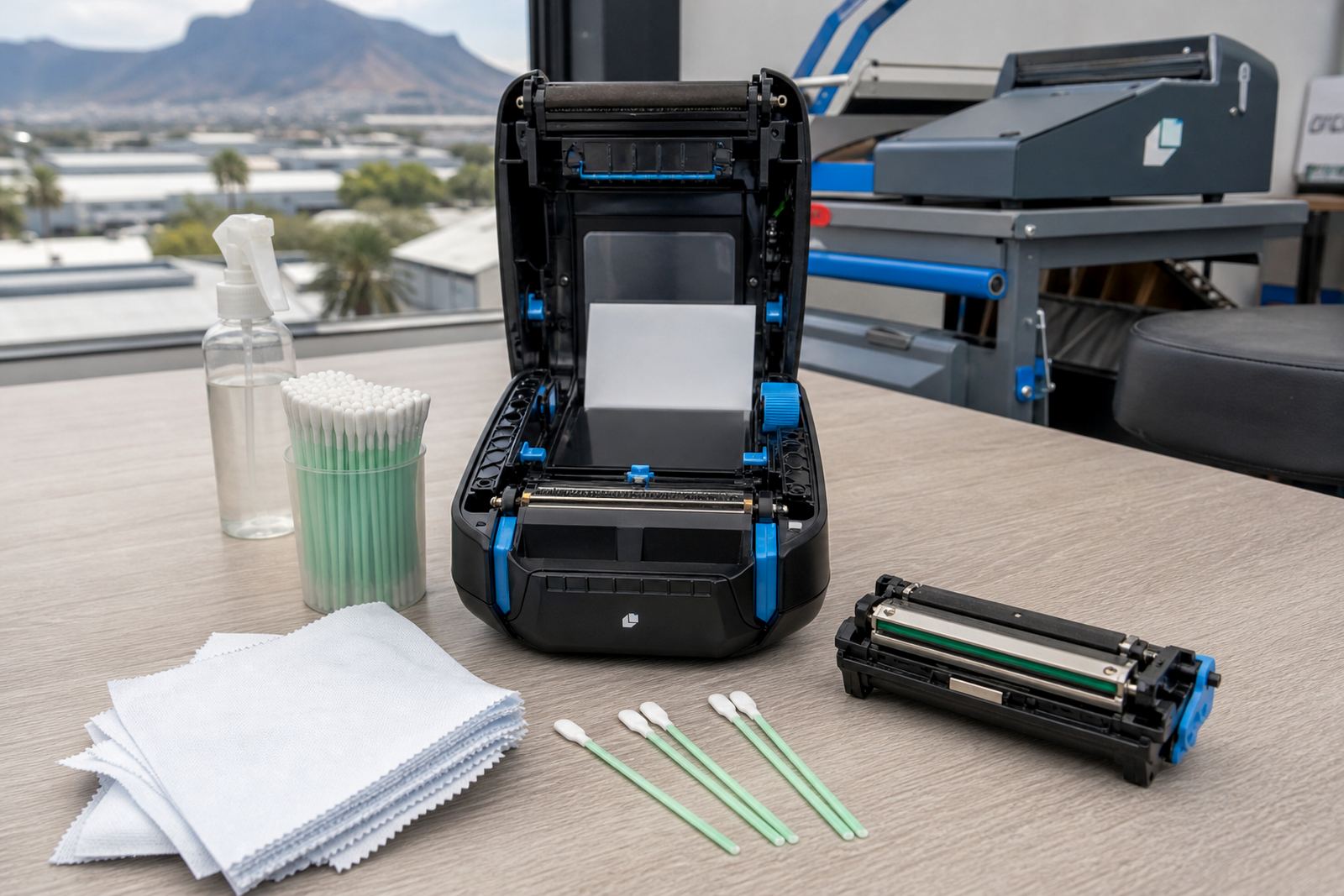
- Printhead cleaning helps preserve sharp text and barcode edges
- Label jam clearing protects the platen and feed path from damage
- Print quality fixes can sort pale print, gaps and skewed labels
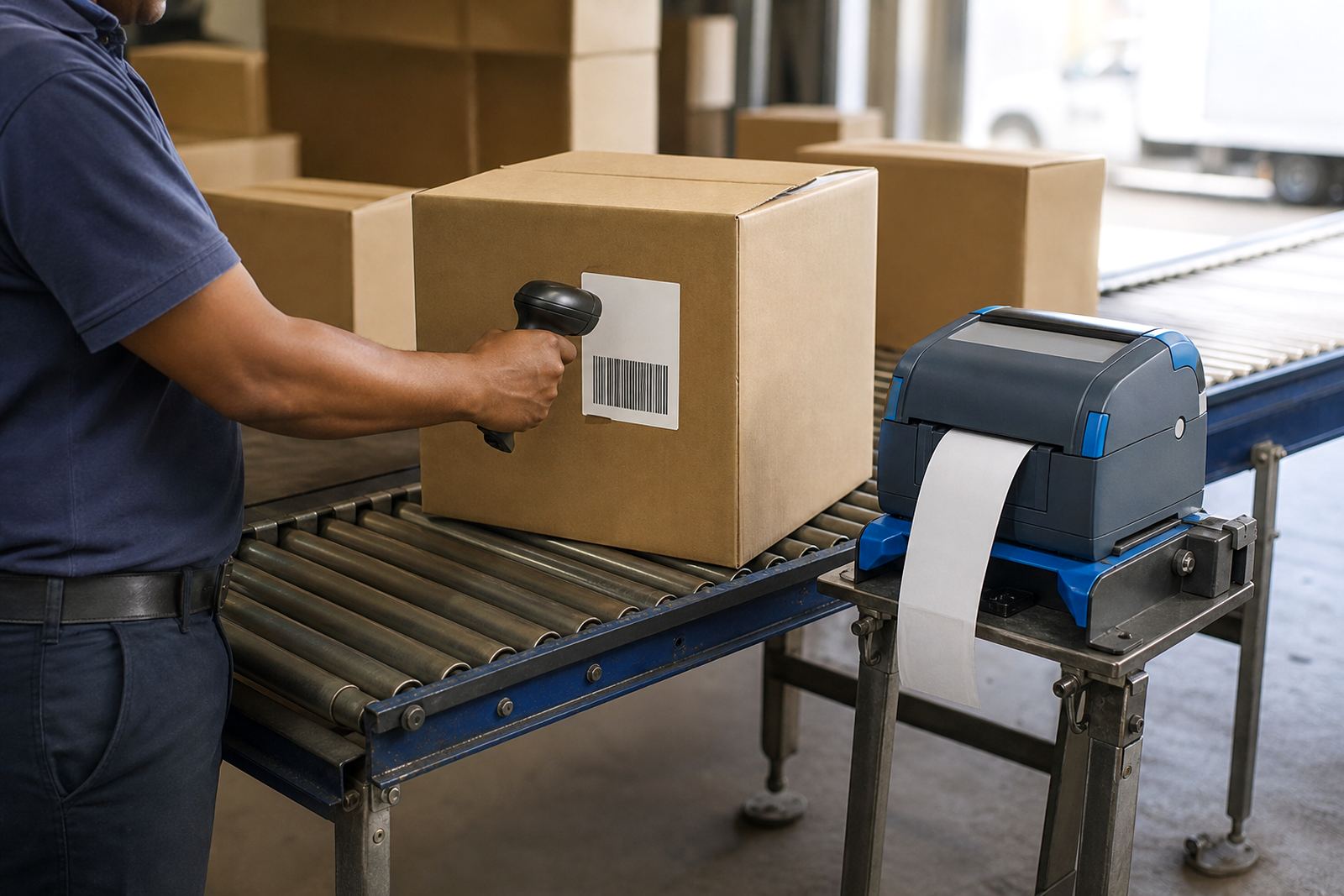
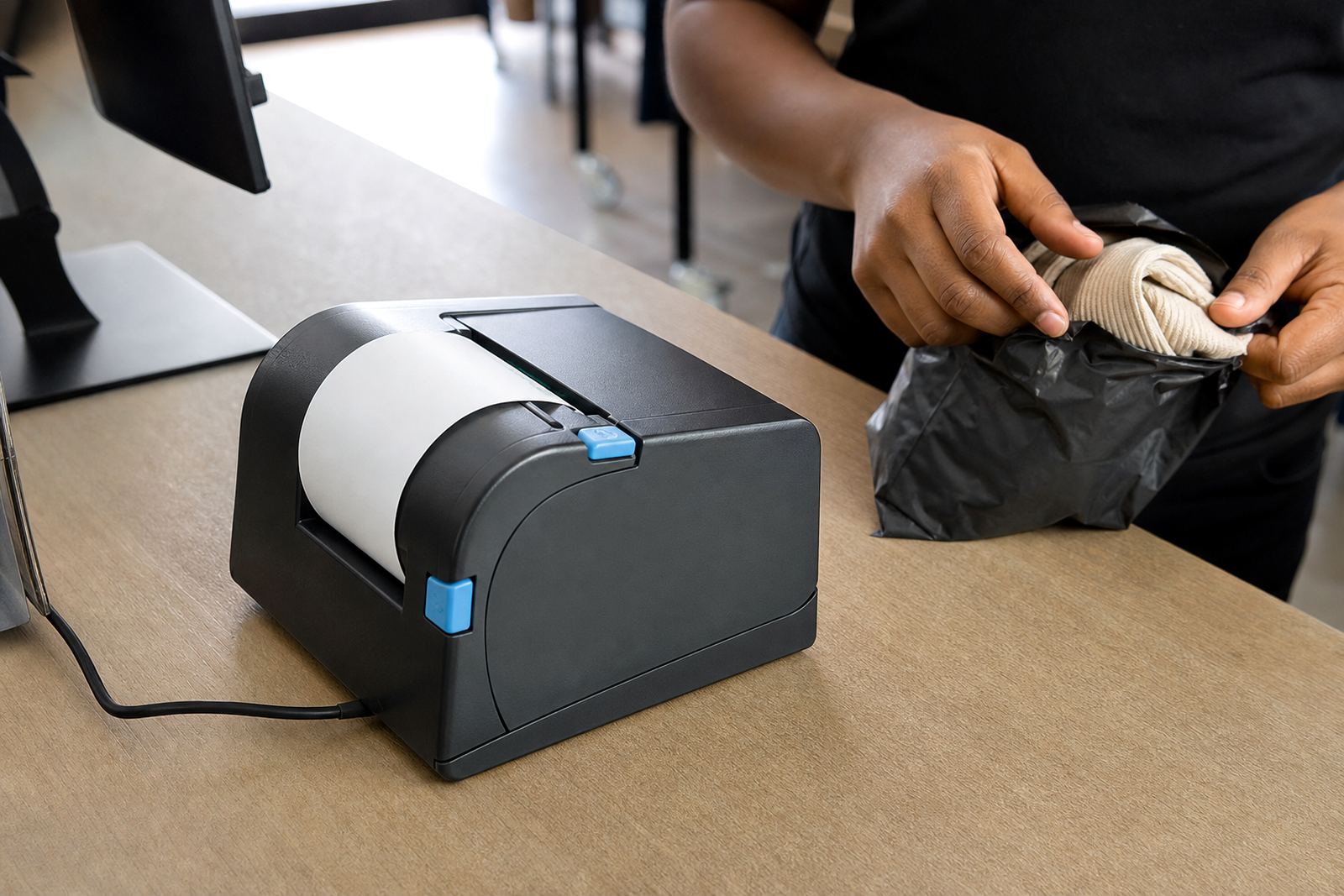
Clear print matters in courier work where scanning happens fast, and in retail stockrooms where labels need to be read at a glance.
Setup and field support where the printers are used
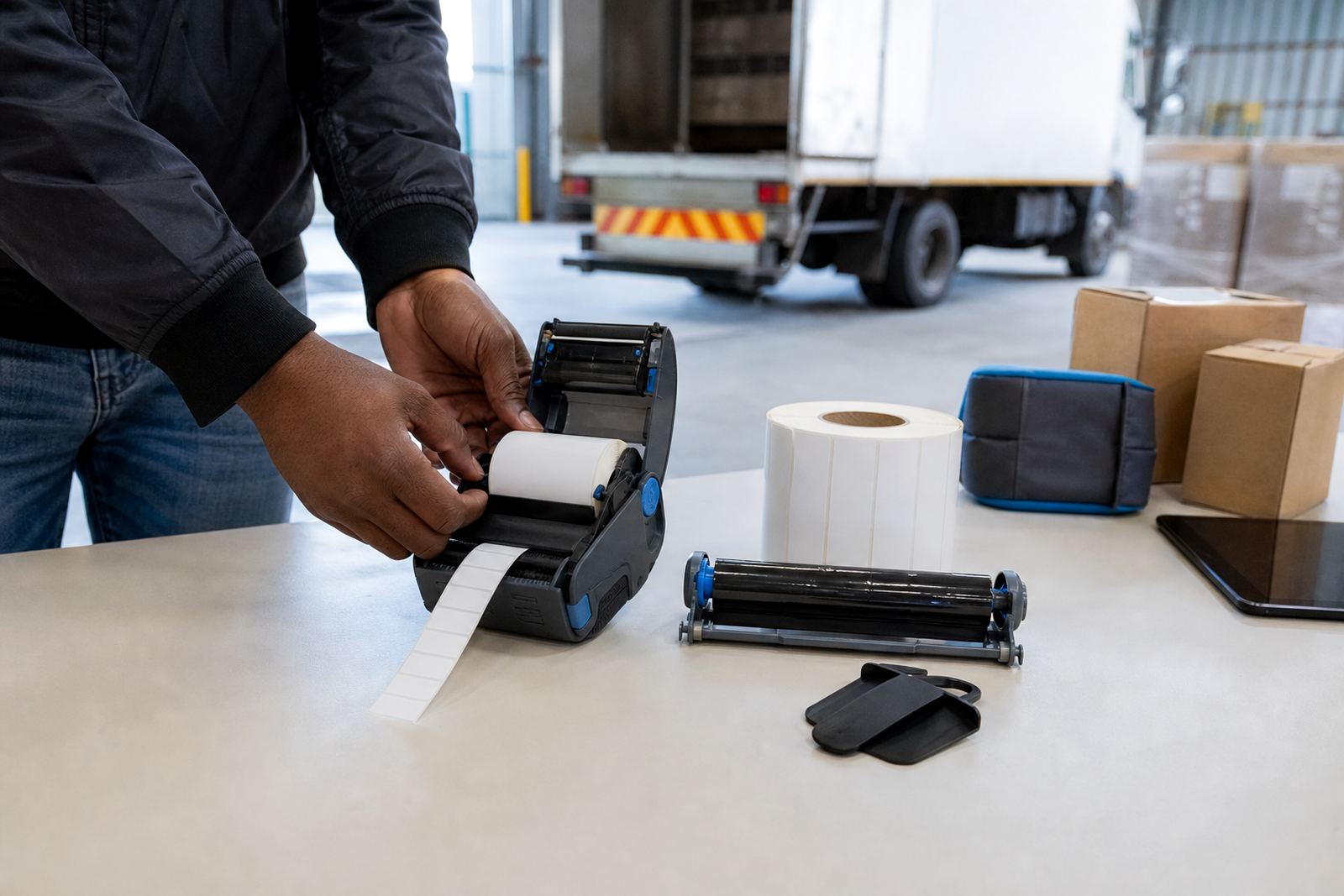
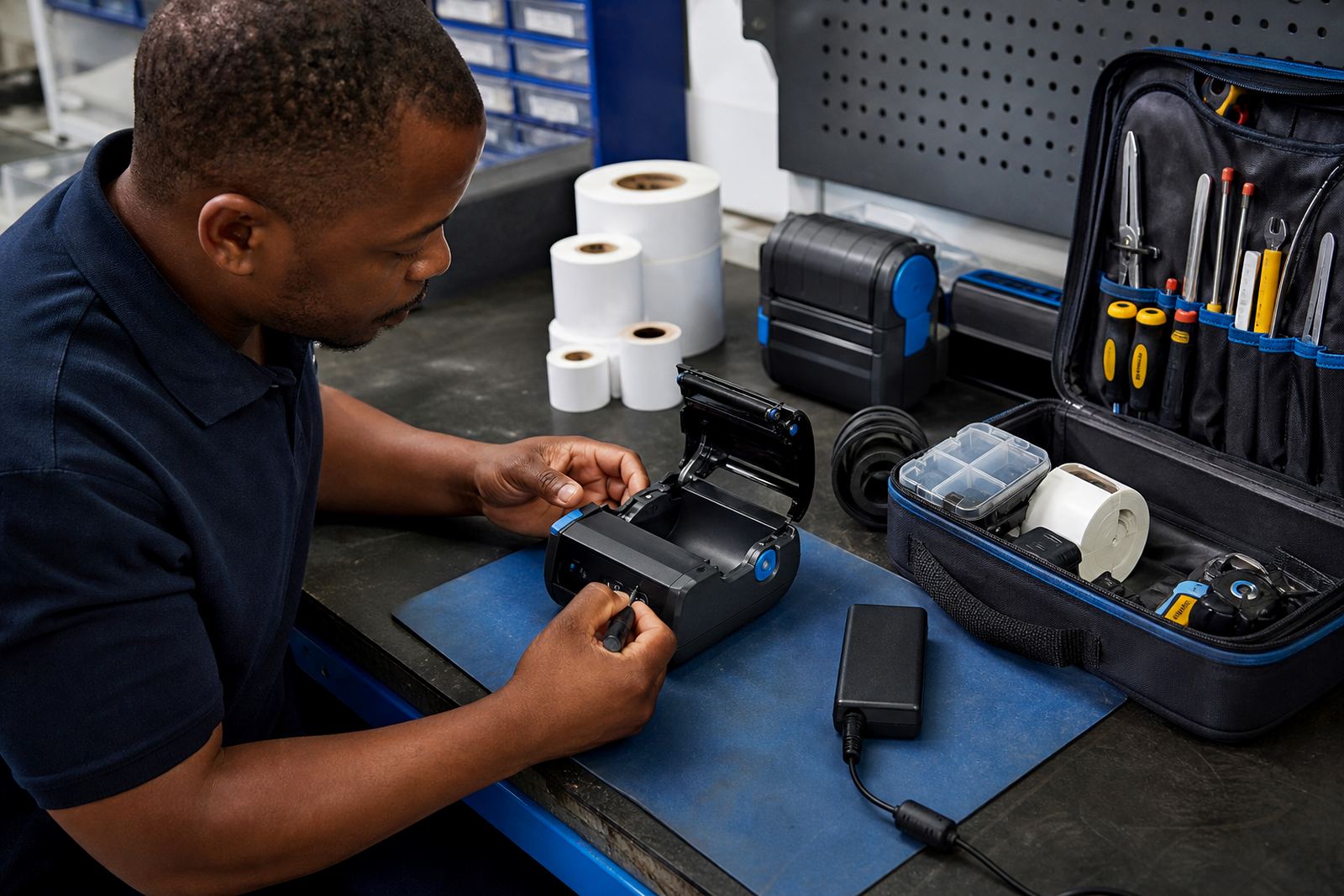
On-site setup helps a team start with the right media, the right templates and the right pairing method. That can include printer mounting, Bluetooth pairing, Wi-Fi setup, operator training and practical label calibration for live stock. If a printer is already in service, the work may focus on repairs, printhead cleaning, battery replacement or belt clip repair.
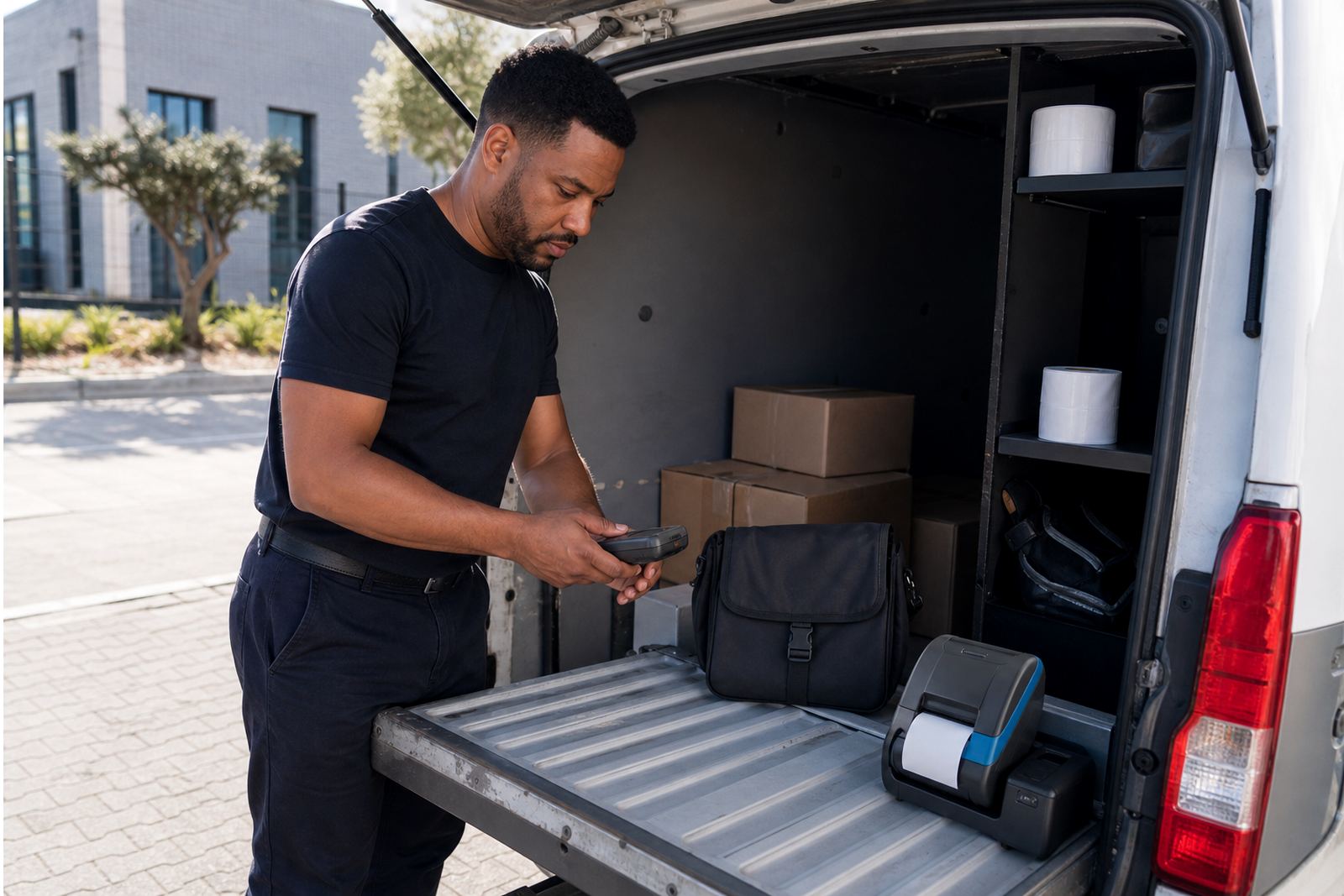
Field support is especially useful when a print unit travels between a counter, a trolley and a picking route. A mobile printer that is not set up properly can waste rolls, throw off scans and slow the handover between packing and dispatch.
What this hub covers across South Africa
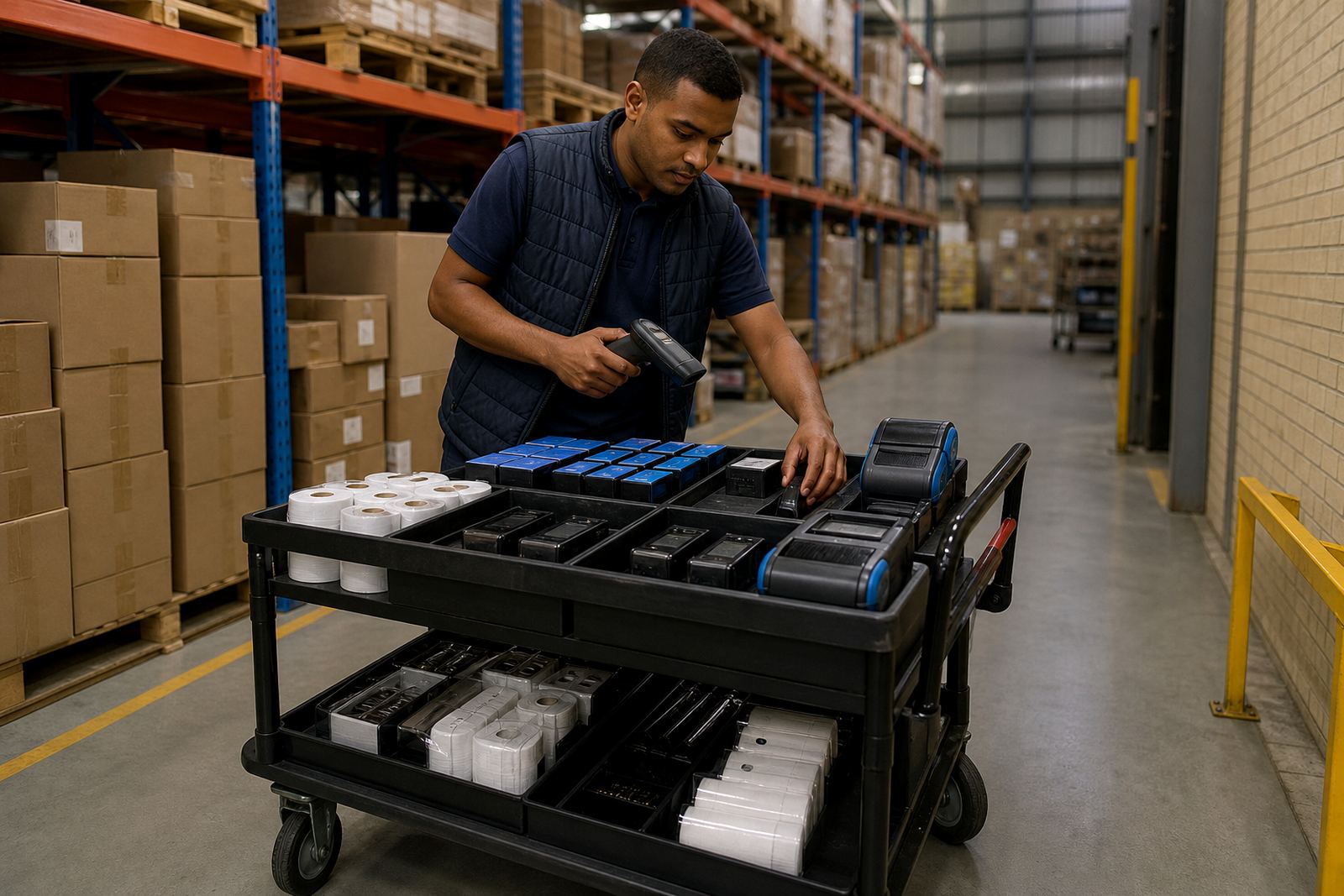
Go-Printer works from Montague Gardens in Cape Town and supports mobile label printer needs in Johannesburg, Durban, Pretoria and Gqeberha, with coverage that also includes Bellville and Midrand. The hub brings together printers, rolls, batteries, belt clips and service work for warehouses, couriers and retail stockrooms that need practical label handling on the move.
Use the page to compare print method, label size, pairing and carry style before moving into the individual listing cards. When the job calls for a mobile unit that fits the stockroom rhythm, the details matter more than broad claims.
- Warehouse teams often need durable labels and steady feed control
- Courier teams usually need quick pairing and clear shipment codes
- Retail stockrooms often need compact units and easy operator handover