

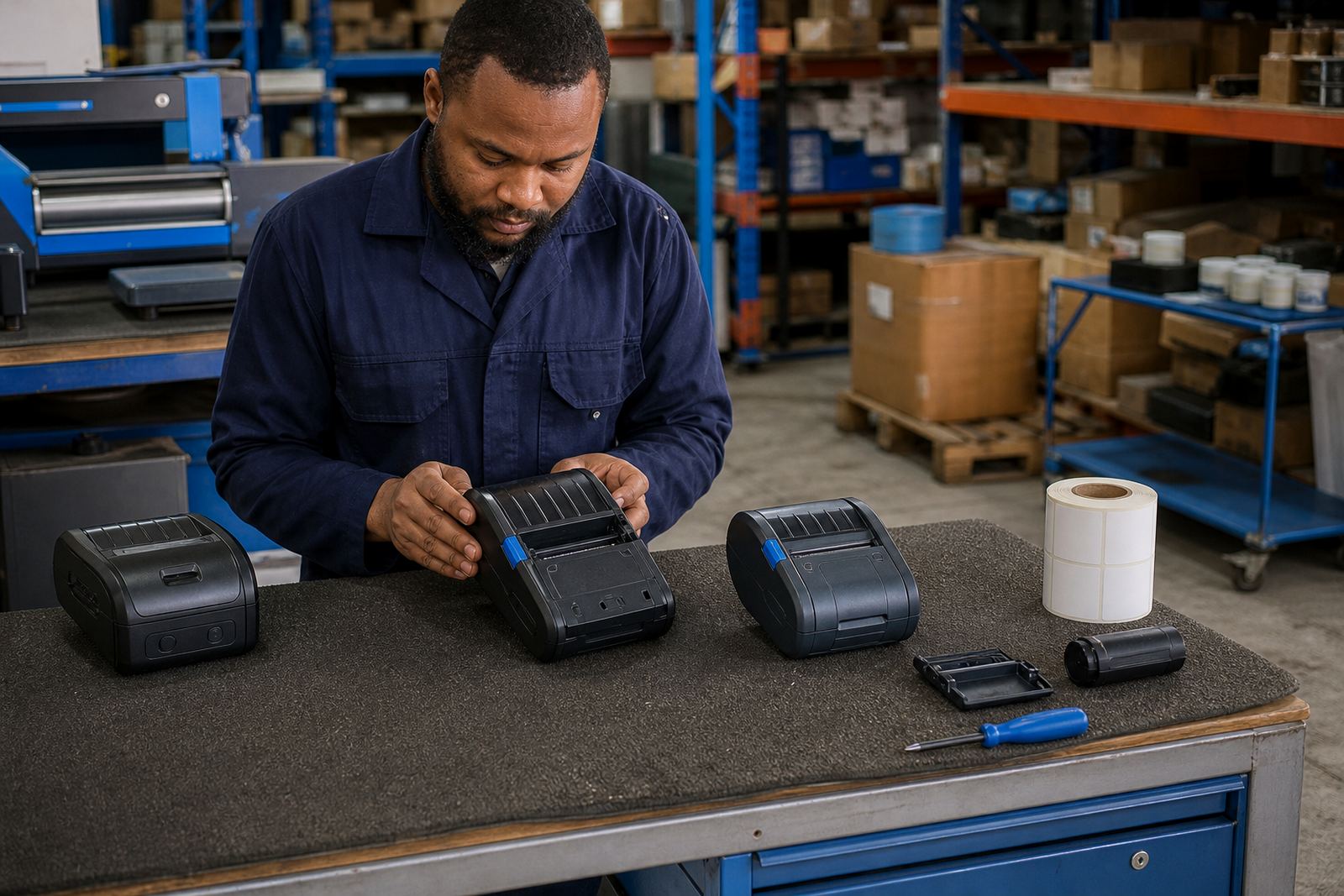
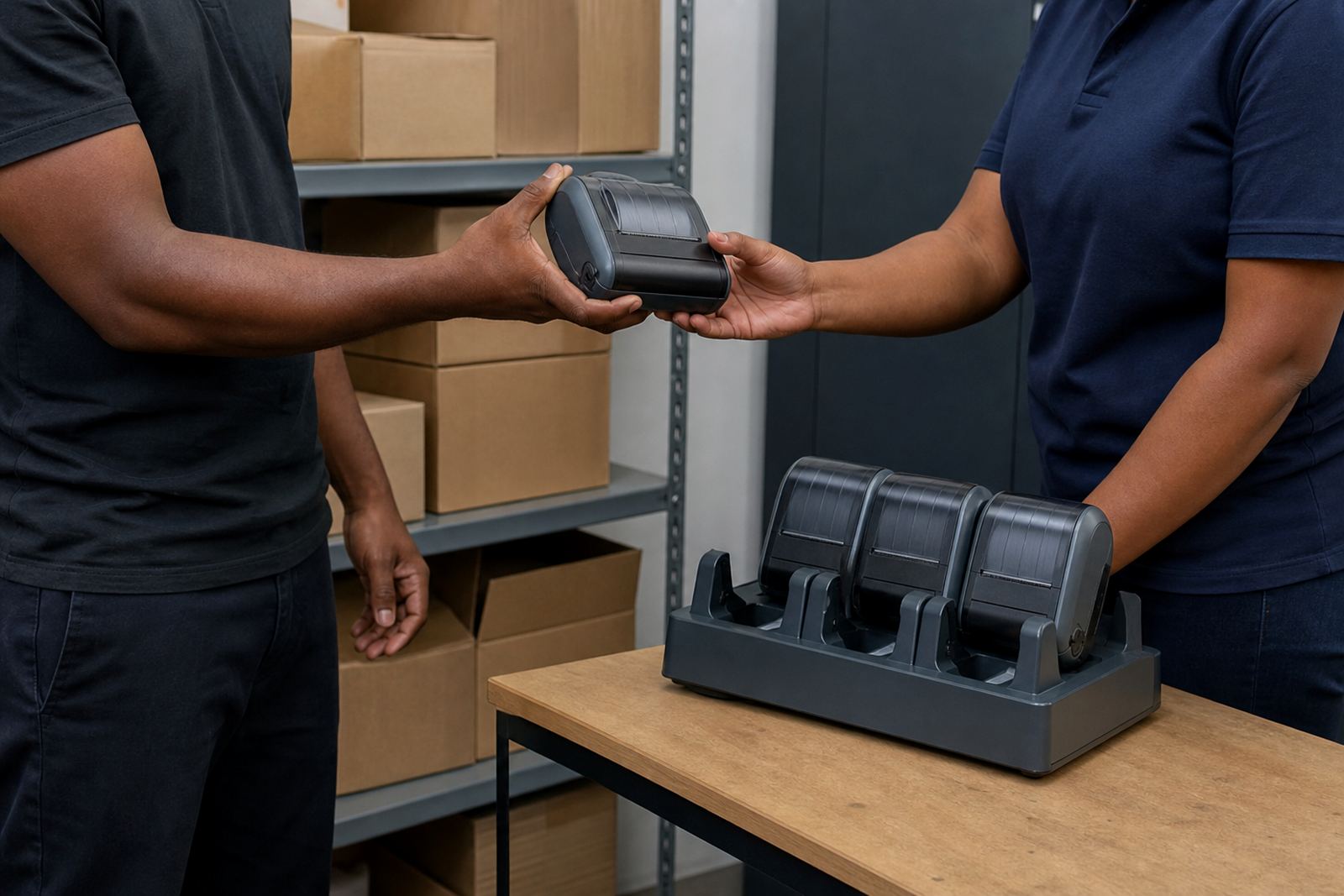
Mobile printing that fits the floor, not the office
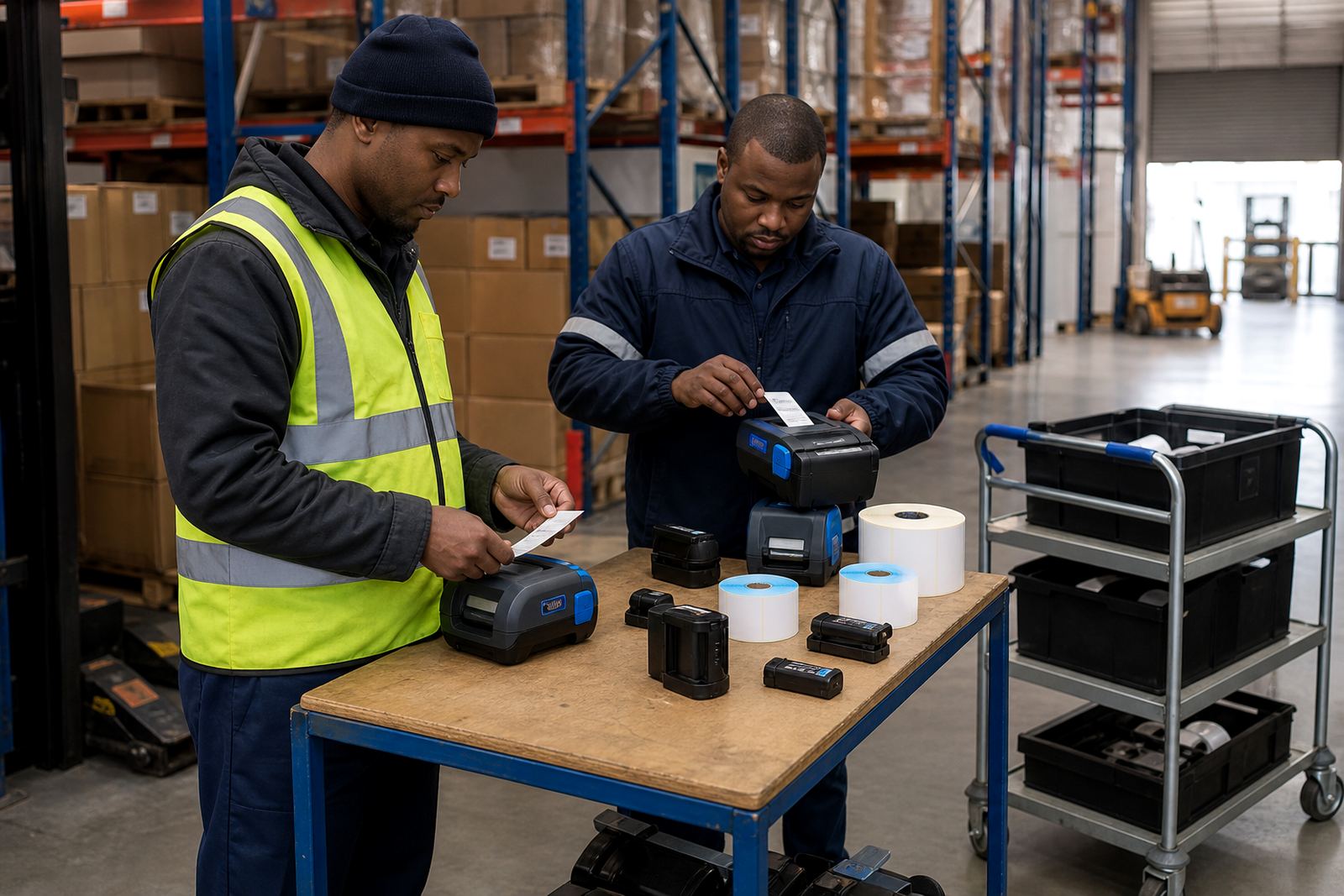
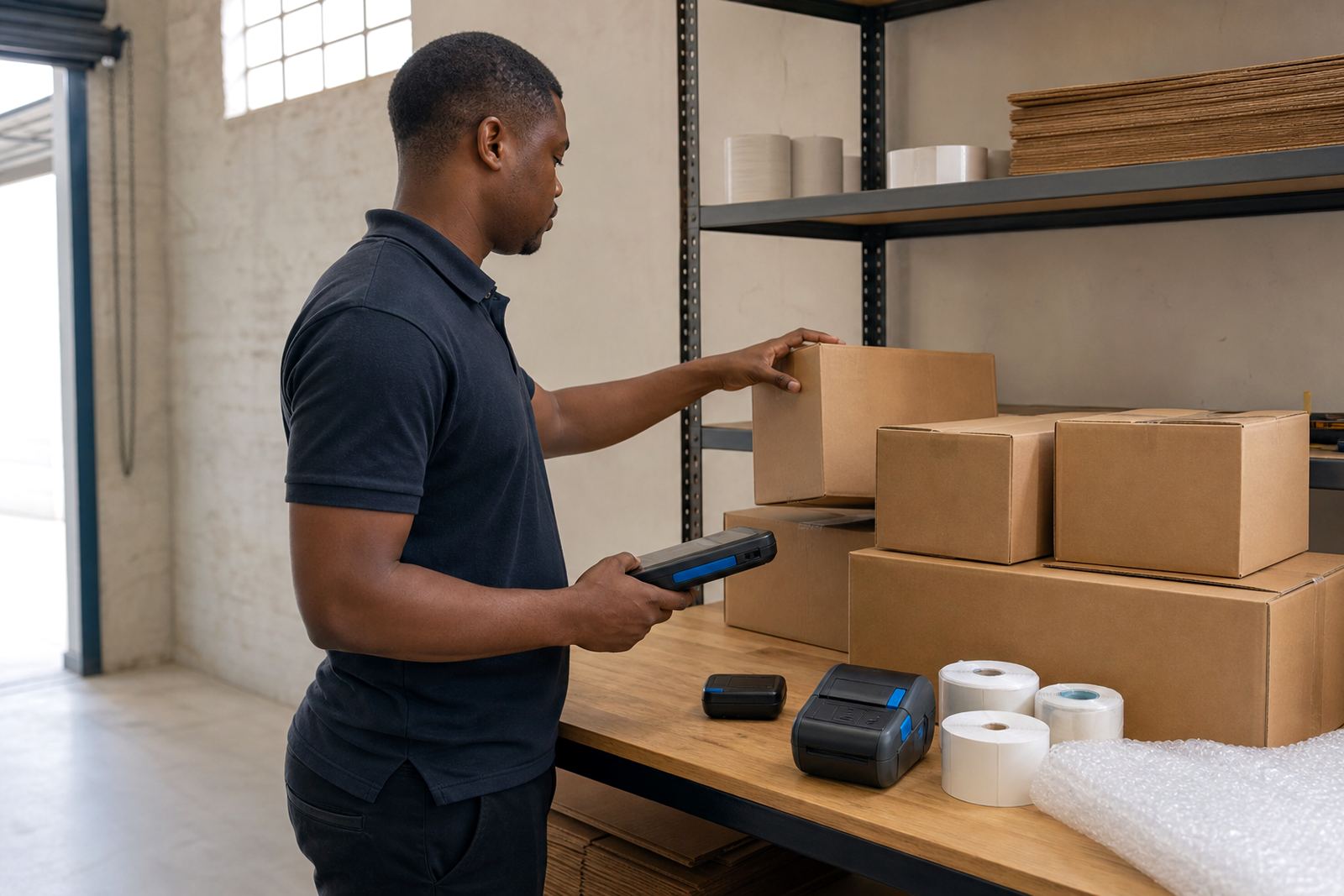
These rollout pages cover the jobs that happen in real stockrooms, dispatch bays and back-of-house counters. A mobile label printer has to travel with the team, pair cleanly to a handset or tablet, and print barcode or QR labels that stay readable after handling, rubbing and short trips through storage.
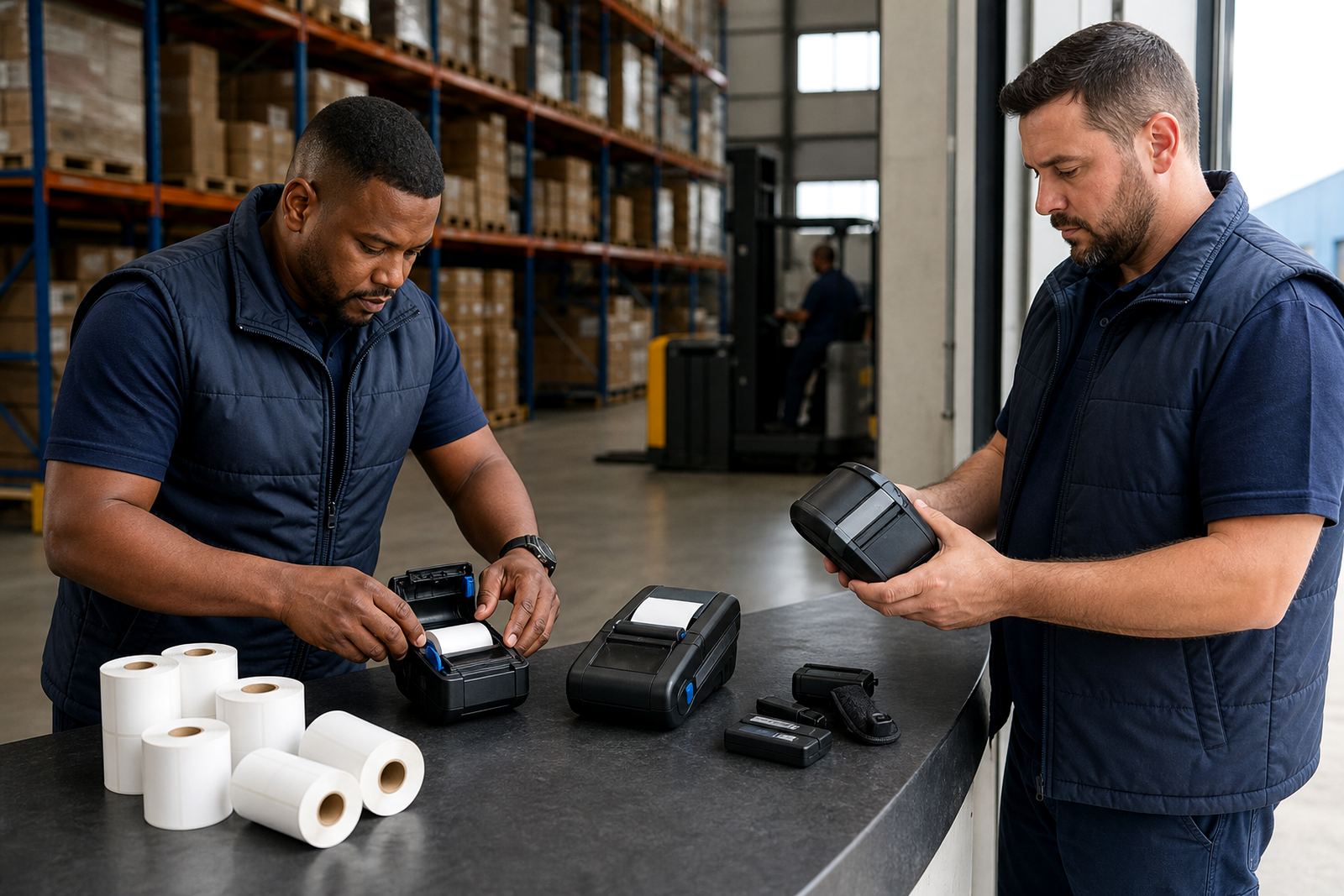
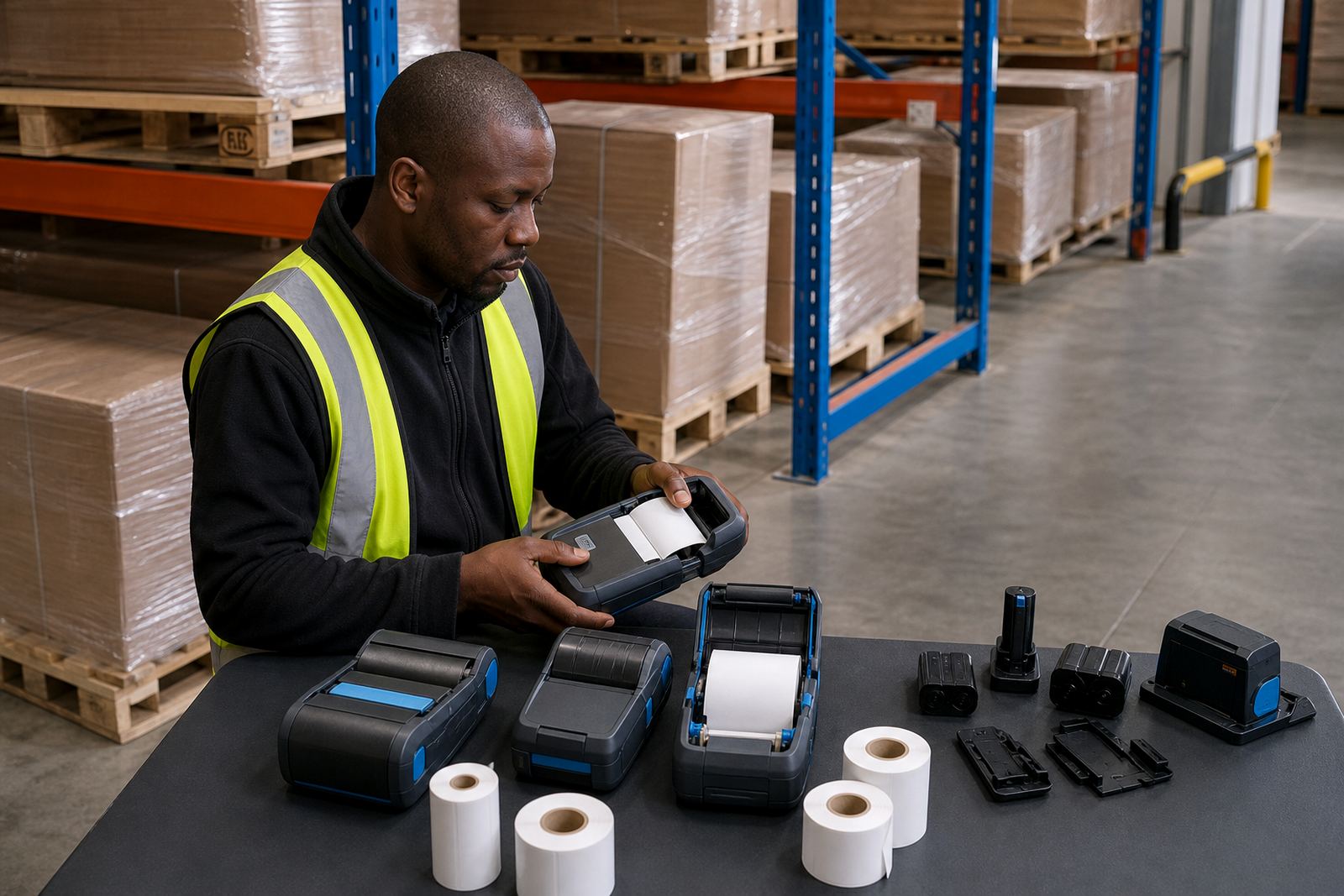
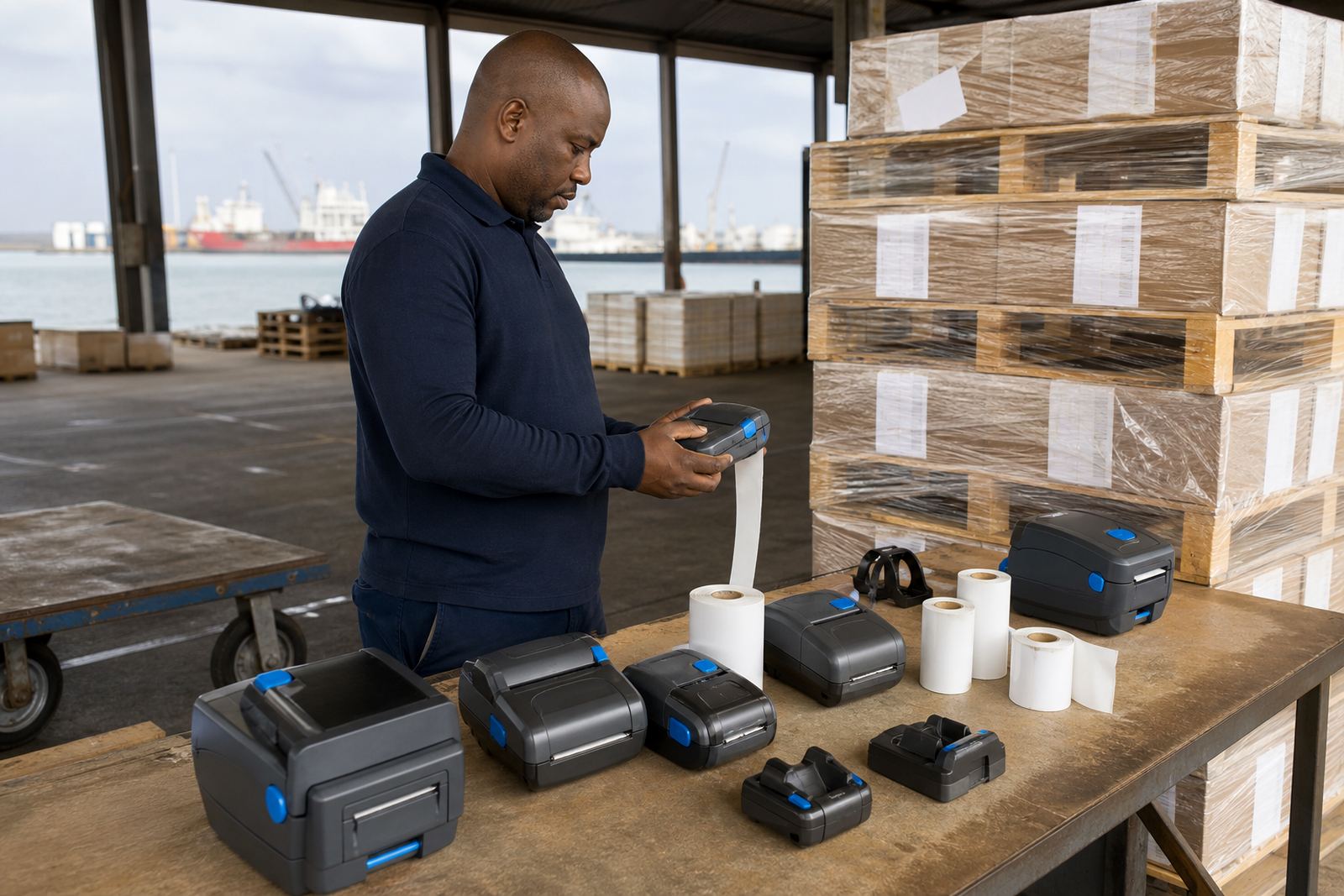
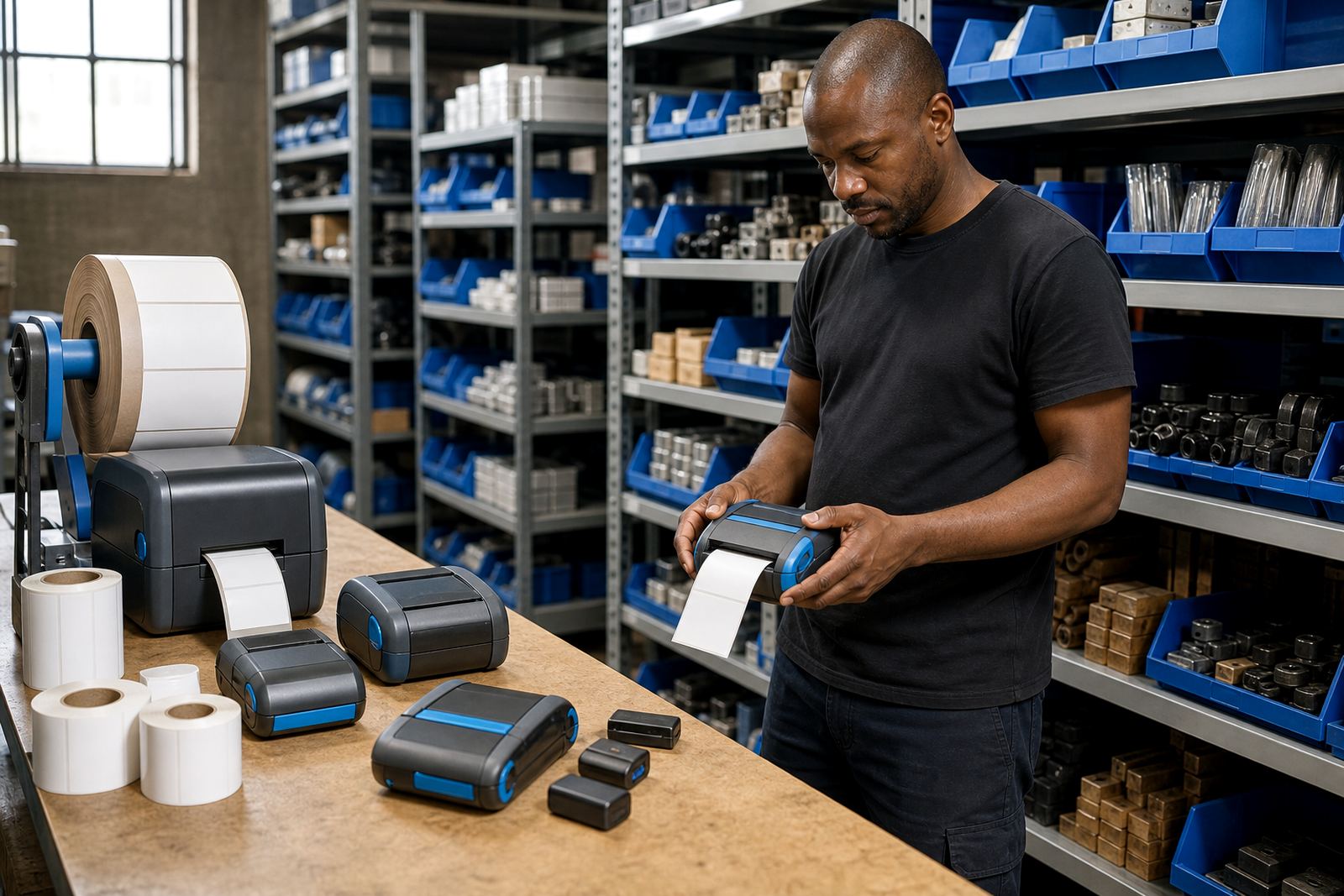
Direct thermal units suit shorter life labels and fast turnaround work. Thermal transfer models suit labels that need better resistance to heat, moisture or scuffing. Print width matters too, because a 48 mm label is not the same as a 102 mm pallet tag, and the roll size has to match the printer housing and the job at hand.
The jobs that usually sit inside a rollout
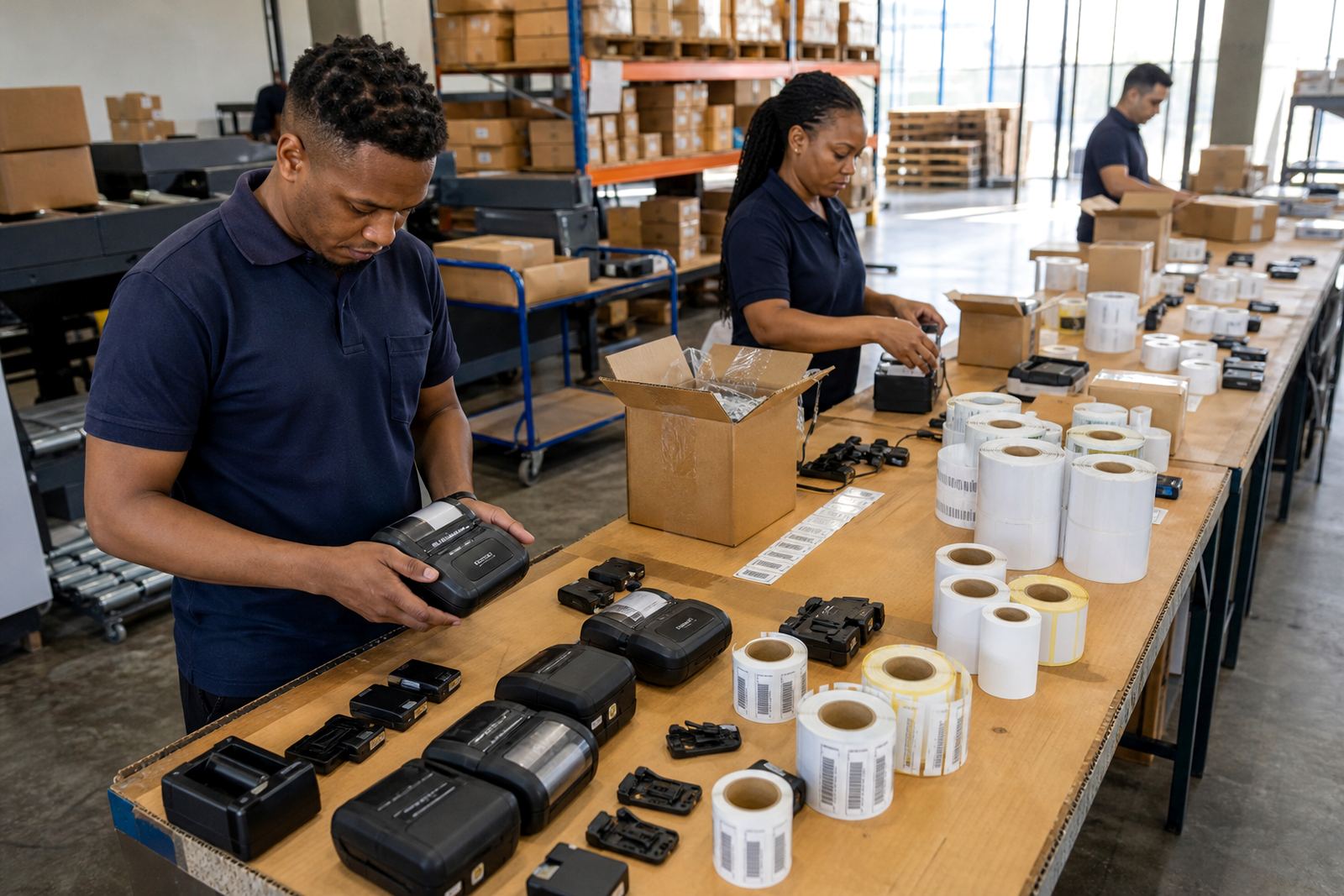
Rollouts are rarely just one item. They often include hardware, consumables and a bit of field work so the site can start using the printers properly. In Montague Gardens, Bellville, Midrand or Durban, the pattern is usually the same: check the labels, set the printer up, then test the first batch under real working conditions.
- On-site setup for new mobile printers and label stations
- Bluetooth pairing and Wi-Fi setup for handheld work
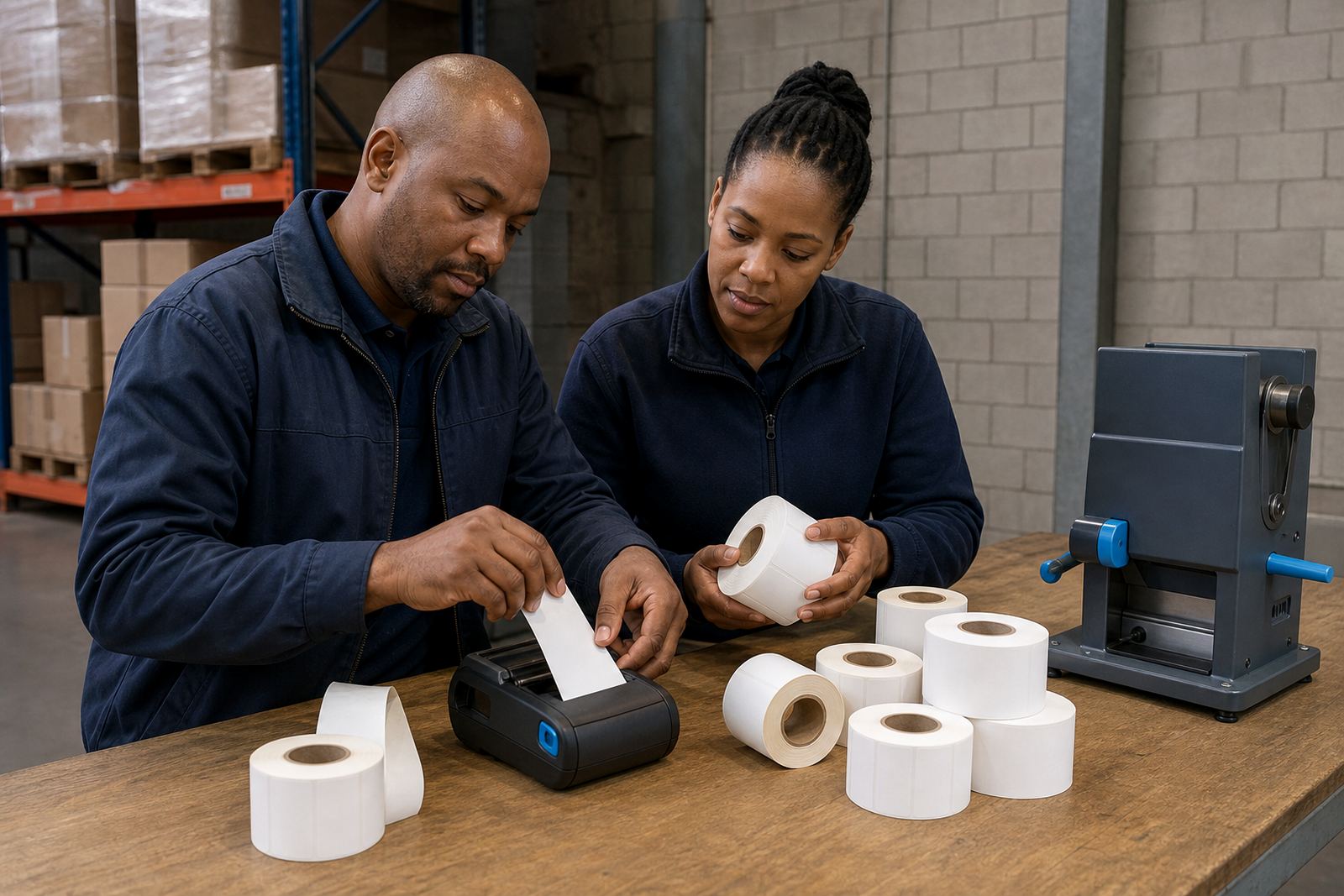
- Label calibration for barcode and QR layouts
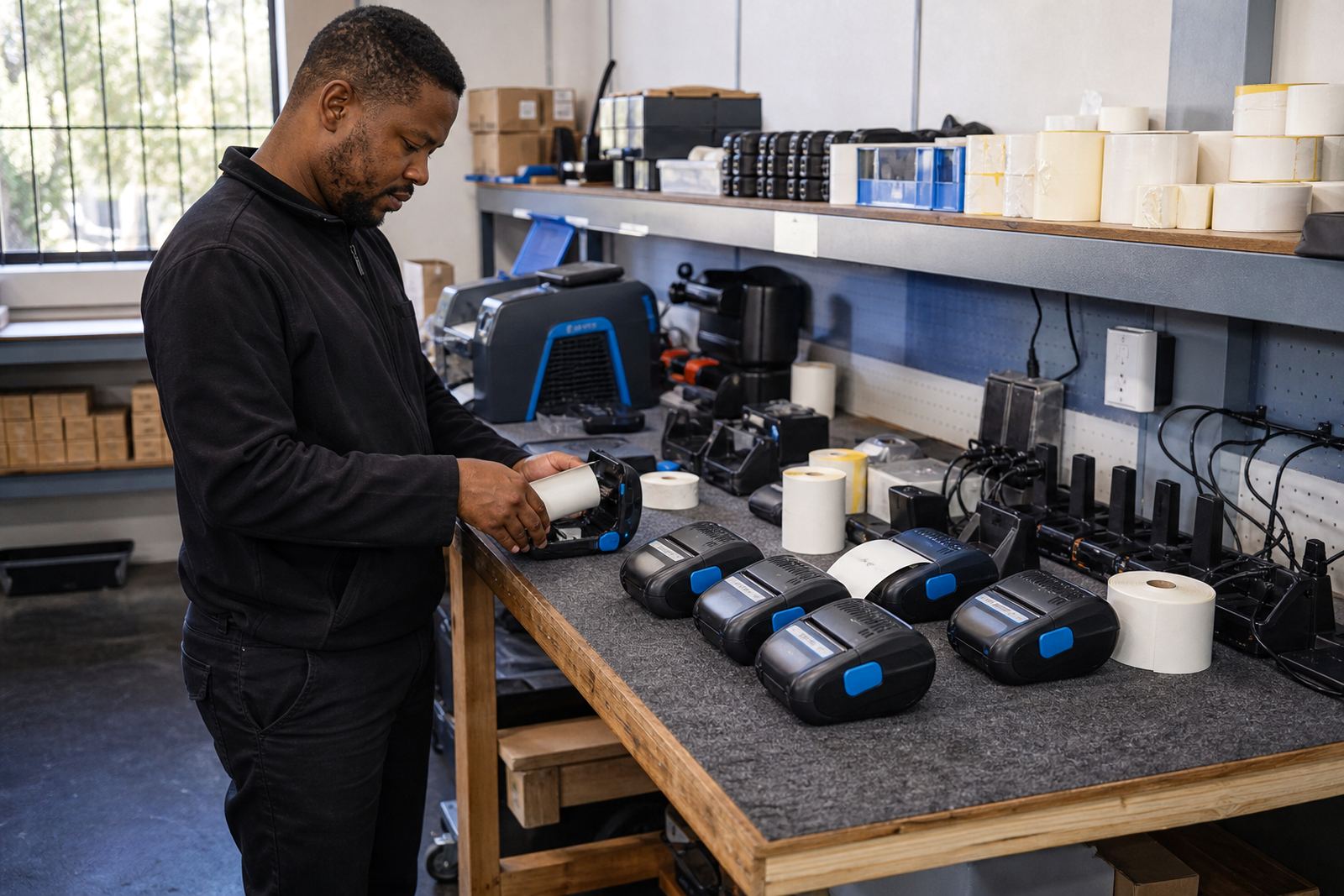
- Printhead cleaning and print quality fixes
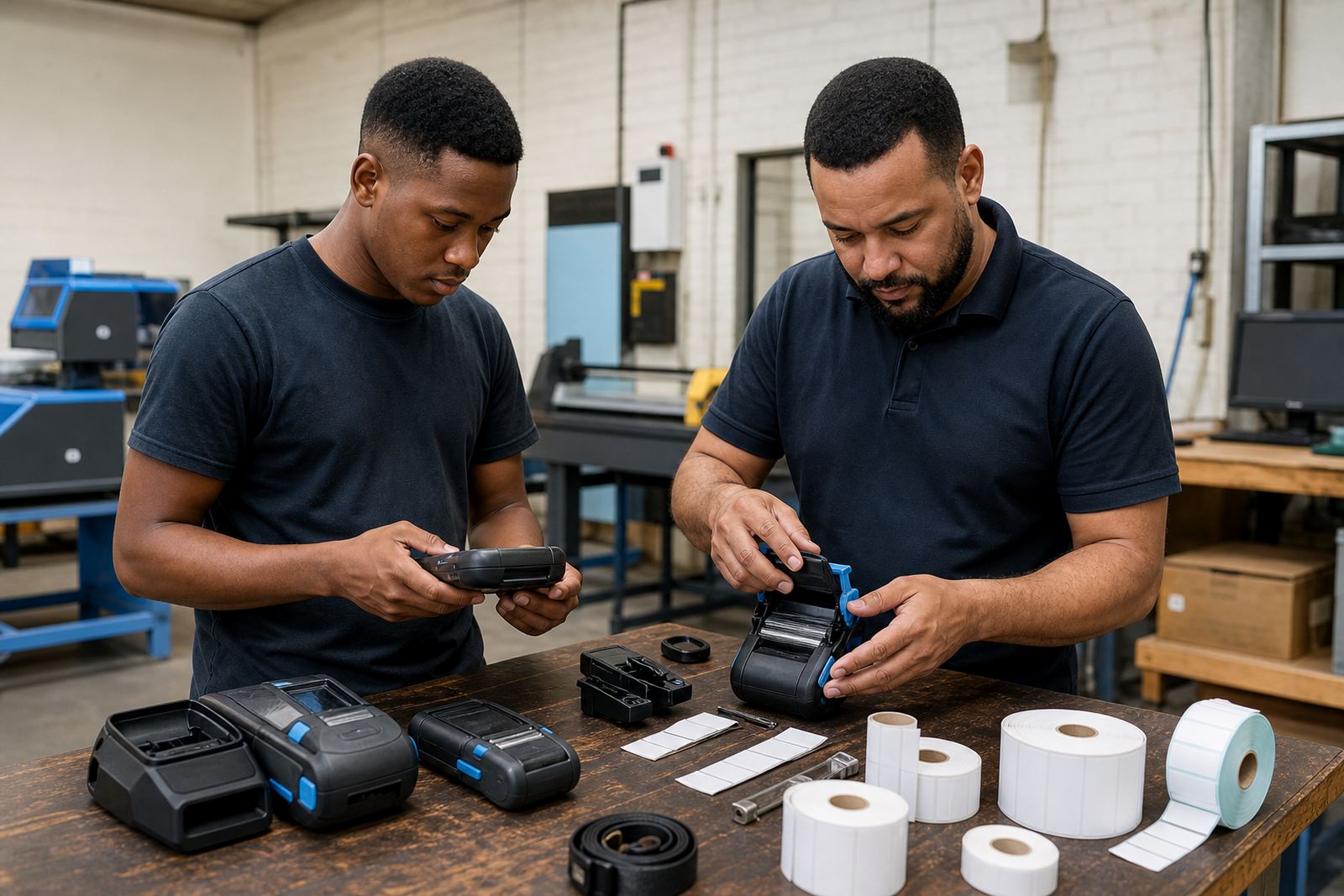
- Battery testing, battery replacement and belt clip repair
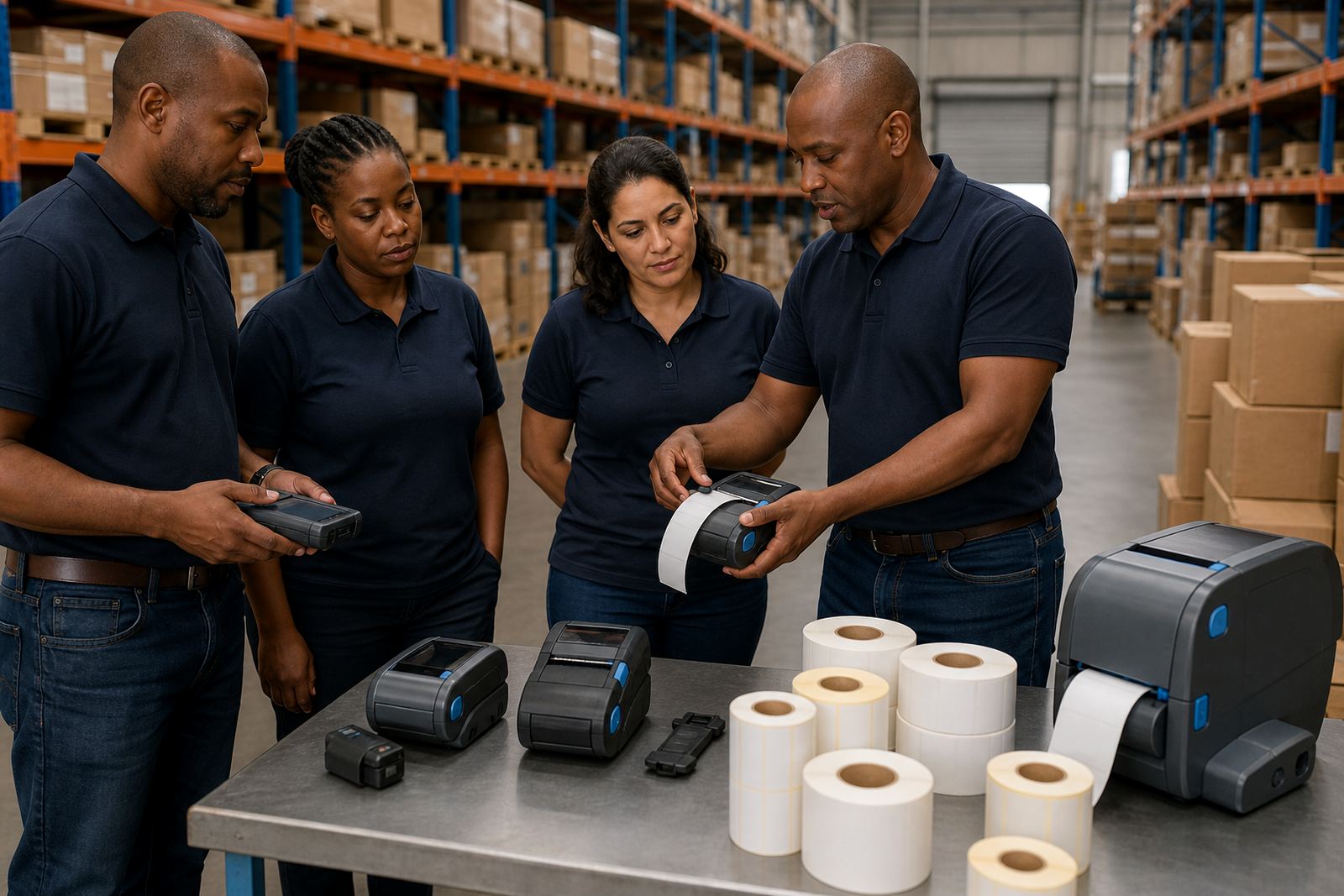
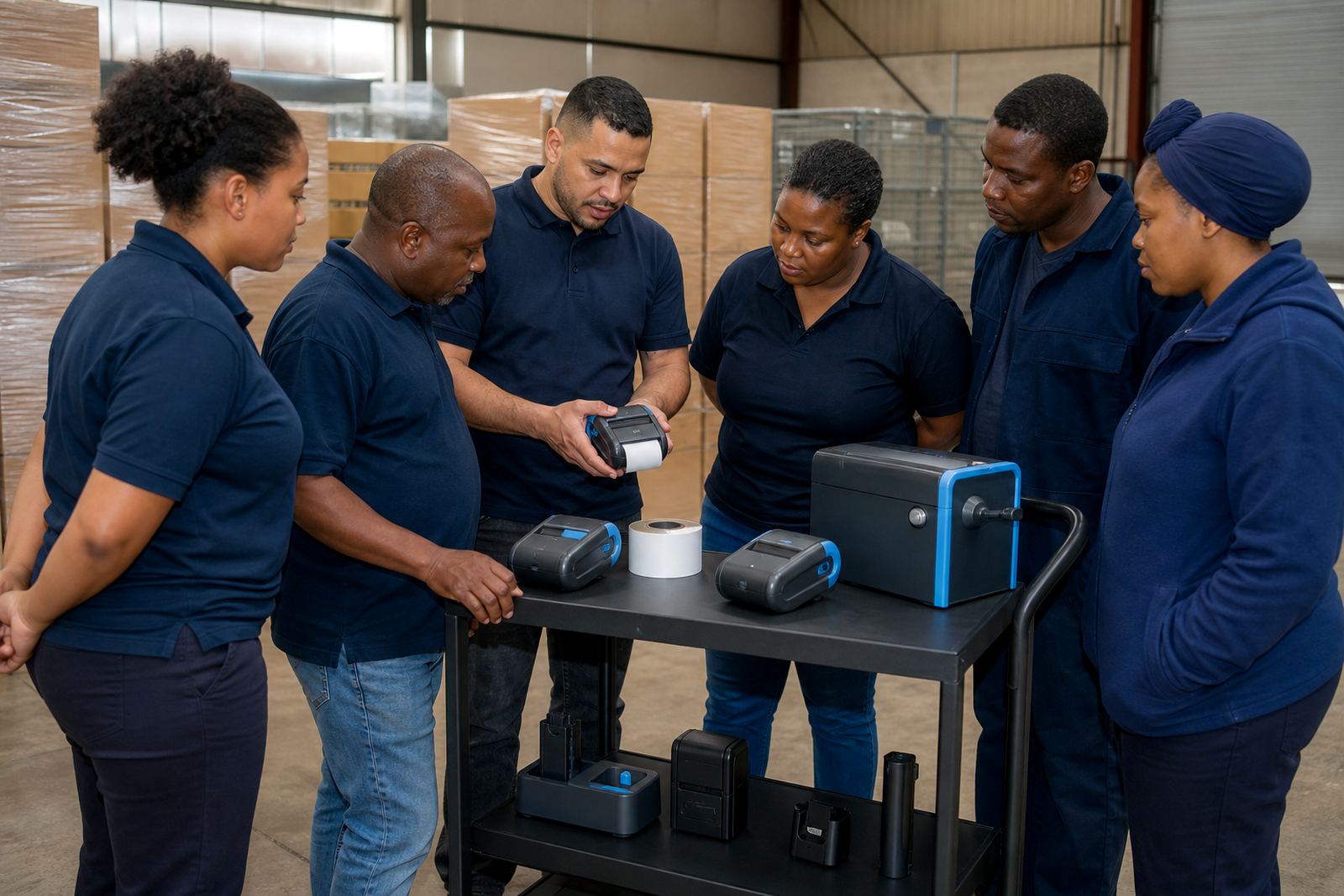
- Operator training for staff who will use the printer every shift
How label stock changes from one site to the next
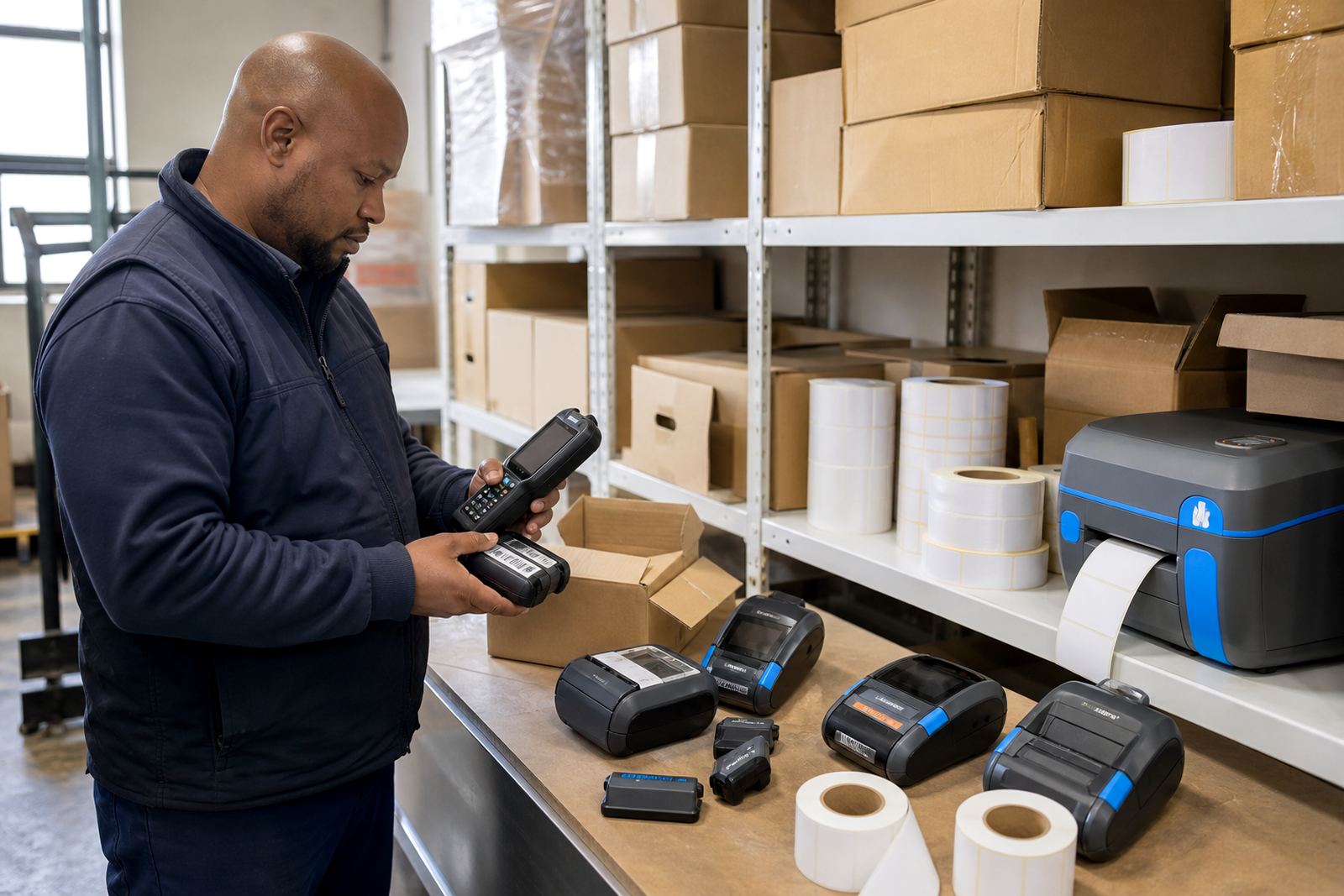
Warehouse teams do not all print the same label. Some jobs need direct thermal rolls for courier consignment tags and shelf labels. Others need thermal transfer rolls for inventory labels that sit longer in changing conditions. A roll that works in a retail stockroom may not hold up in a colder dispatch area or near repeated handling, so the label material and adhesive have to be matched to the task.
Roll width, core size and outer diameter all affect how smoothly a mobile printer feeds. If the roll is too tight, too wide or poorly wound, the printer can jam or miss a label. That is why a rollout often includes label calibration and a check on print darkness, alignment and gap sensing.
Battery life, clips and the way staff carry the printer
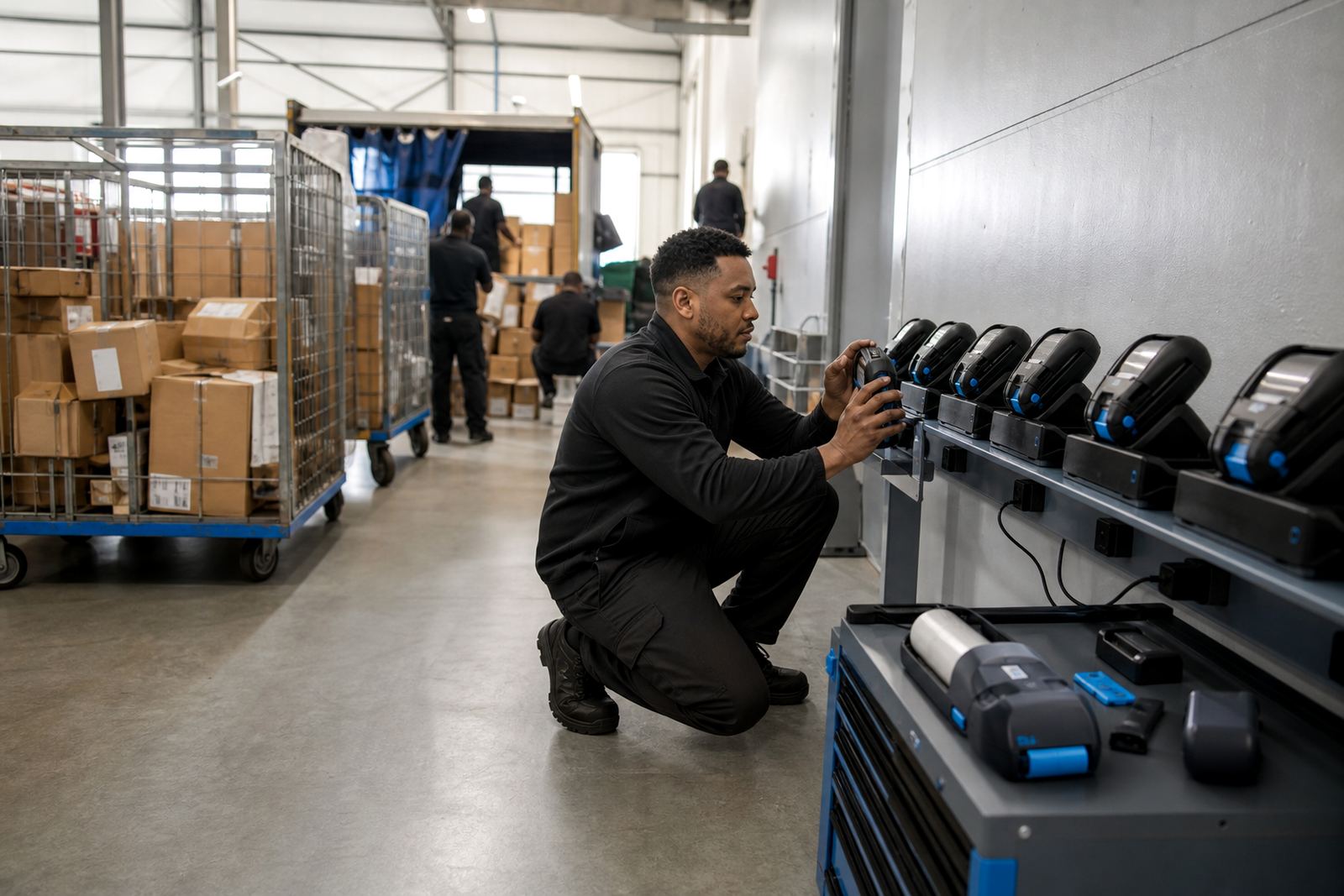
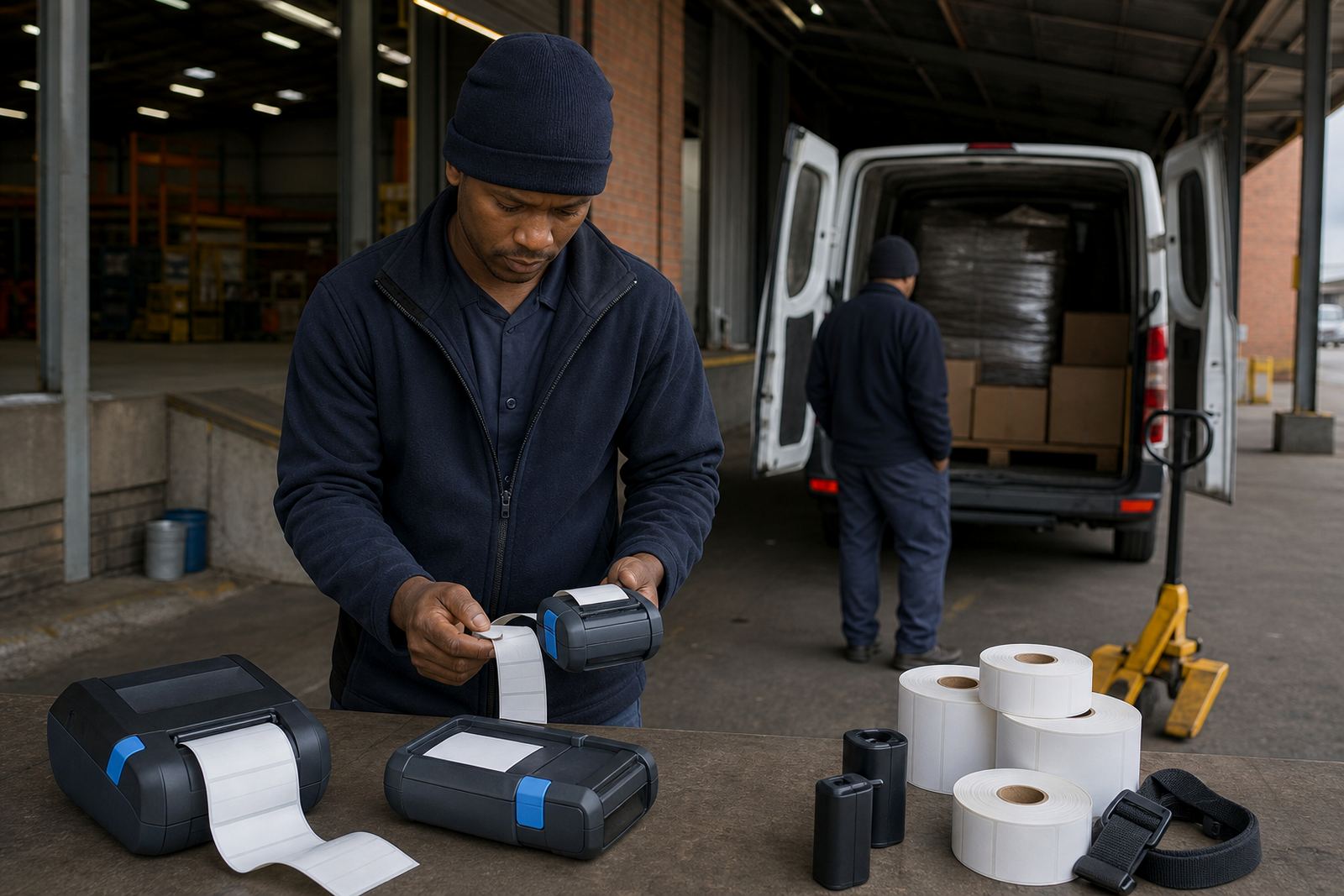
Mobile printing works best when the unit is easy to move. Battery condition matters when a team is walking stock aisles, loading vans or printing at a packing bench far from a fixed point. Belt clips and straps sound minor, but if they fail, the printer gets set down in the wrong place and gets knocked around.
- Battery testing before a new rollout starts
- Replacement of tired batteries that no longer hold charge well
- Clip repair where the housing still has life in it
- Cleaning around the printhead to avoid faded bars and patchy text
- Basic handling notes for teams working with the printer every day
When the printer is handled properly, labels feed cleaner and the staff spend less time sorting out missing prints or crooked scans.
Support work that keeps the label line steady
Warehouse rollouts do not stop after the first setup. Print quality can drift, labels can start jamming and pairings can get forgotten when staff change over. Repairs may be simple, like a blocked feed path or a dirty printhead, or they may involve battery replacement, belt clip repair or a deeper check on the printer’s calibration.
On-site work is often the most practical route when the issue sits inside an active operation. A technician can check the label path, test a fresh roll, clear the jam and verify that the barcode still scans properly on the handheld side. That keeps the process close to the floor, where the problem actually shows up.
Places covered and the kind of handover that helps
Go-Printer operates from Montague Gardens, Cape Town and supports roll-outs across South Africa, including Cape Town, Johannesburg, Durban, Pretoria and Gqeberha. We also cover nearby working areas such as Bellville and Midrand when the job calls for setup, training or repairs at site level.
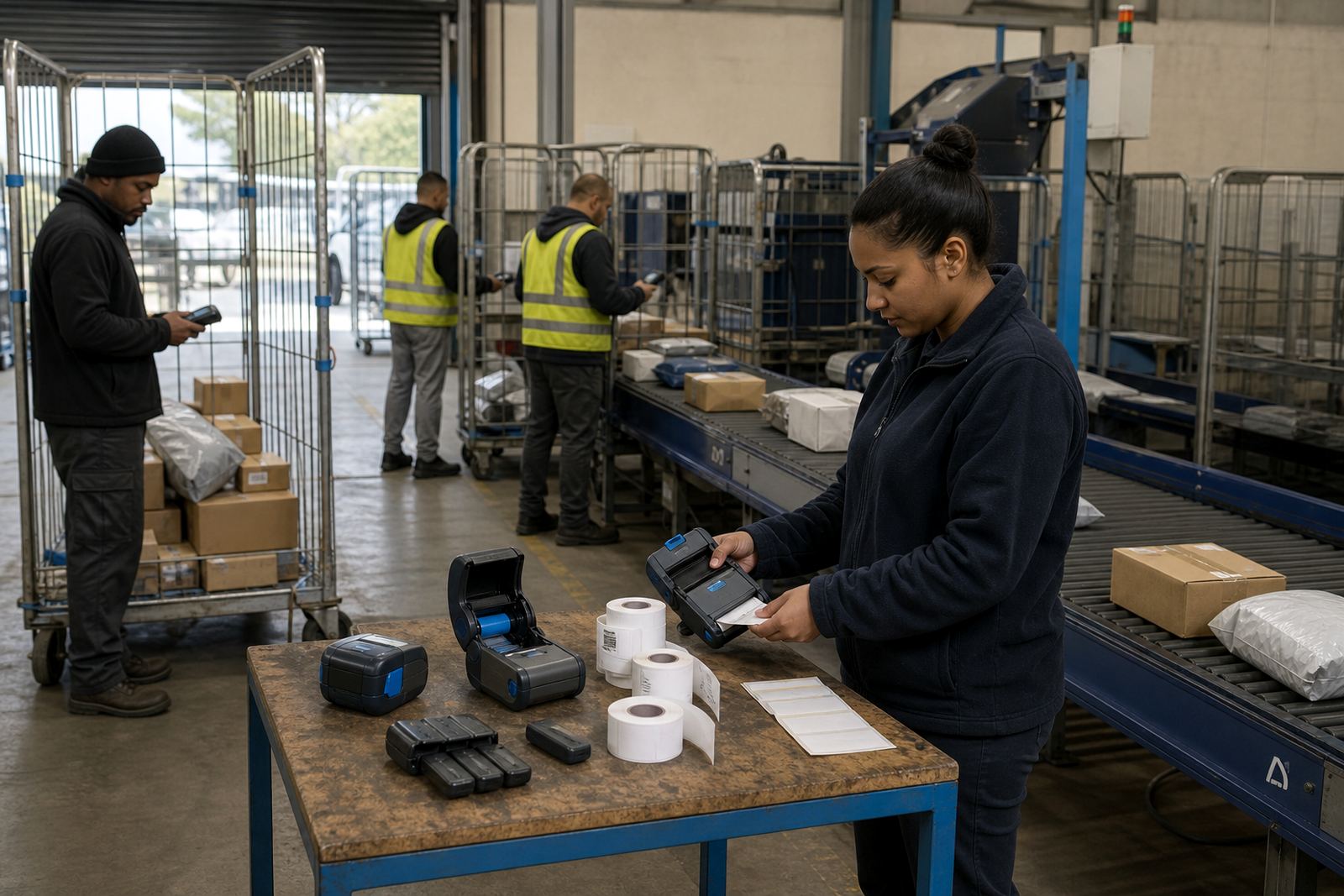
The handover has to fit the space. A courier hub wants fast label flow and clear scan results. A retail stockroom may need smaller labels, better organisation and a tidy battery routine. A warehouse with heavier stock movement may need tougher label stock and more regular printhead cleaning. The point is not to force one setup everywhere, but to match the printer and roll to the job in front of you.
Who handles the rollout work
Our team keeps the moving parts in order across supply, setup and support. Mandla Mthethwa leads the business, while Anele Ntsele manages operations and Kagiso Ngwenya handles field service work. Leanne Hlongwane coordinates label supplies, Siyabonga Adonis leads technical support and Zinhle van Wyk works on training and setup.
Clients contact us through our contact form on our contact page when they need to plan a rollout, replace consumables or sort out an existing printer line. The work usually starts with the type of label, the printer format and the site conditions, then moves into the setup and handover that the team will live with every day.