What these rolls do on a working shift
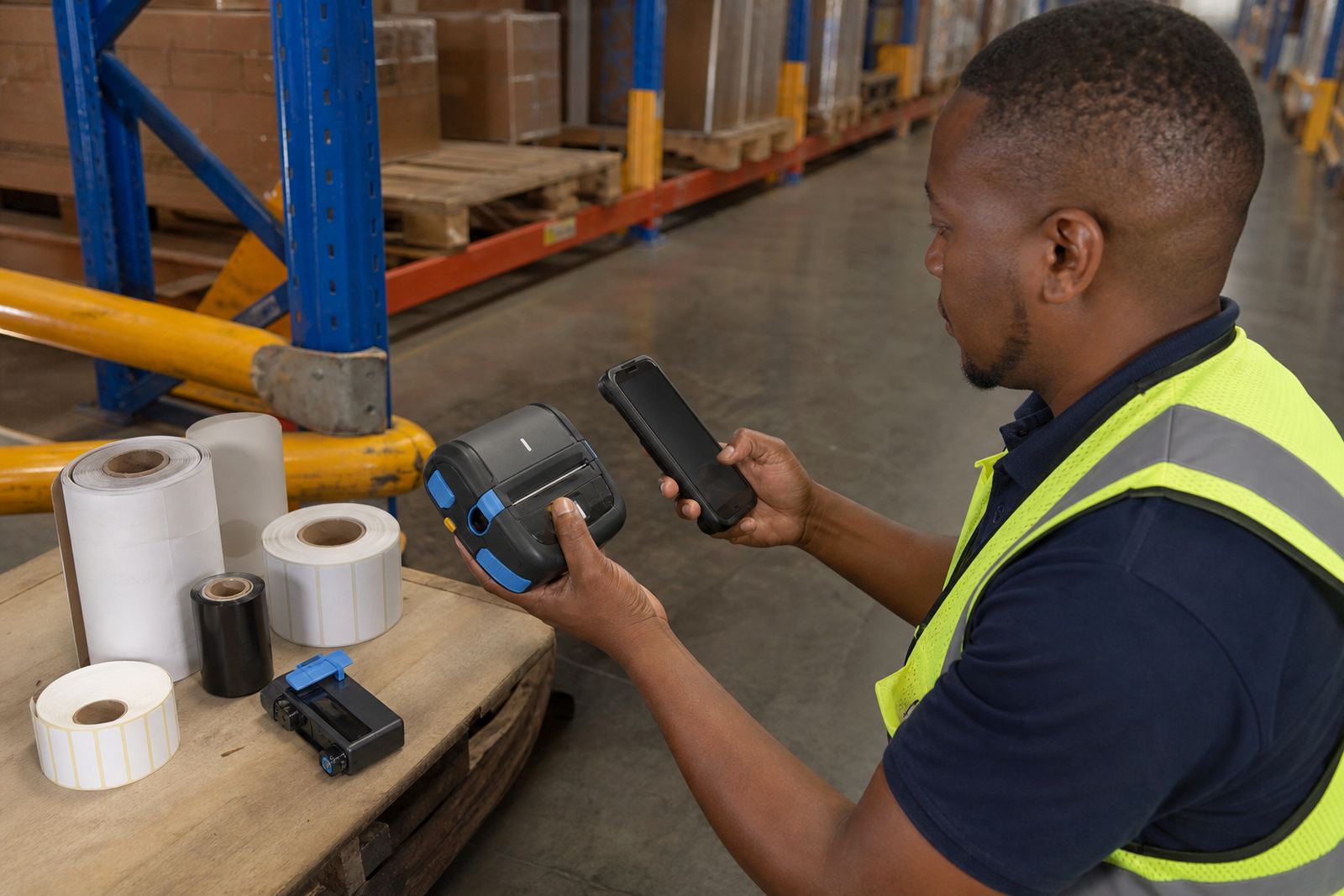
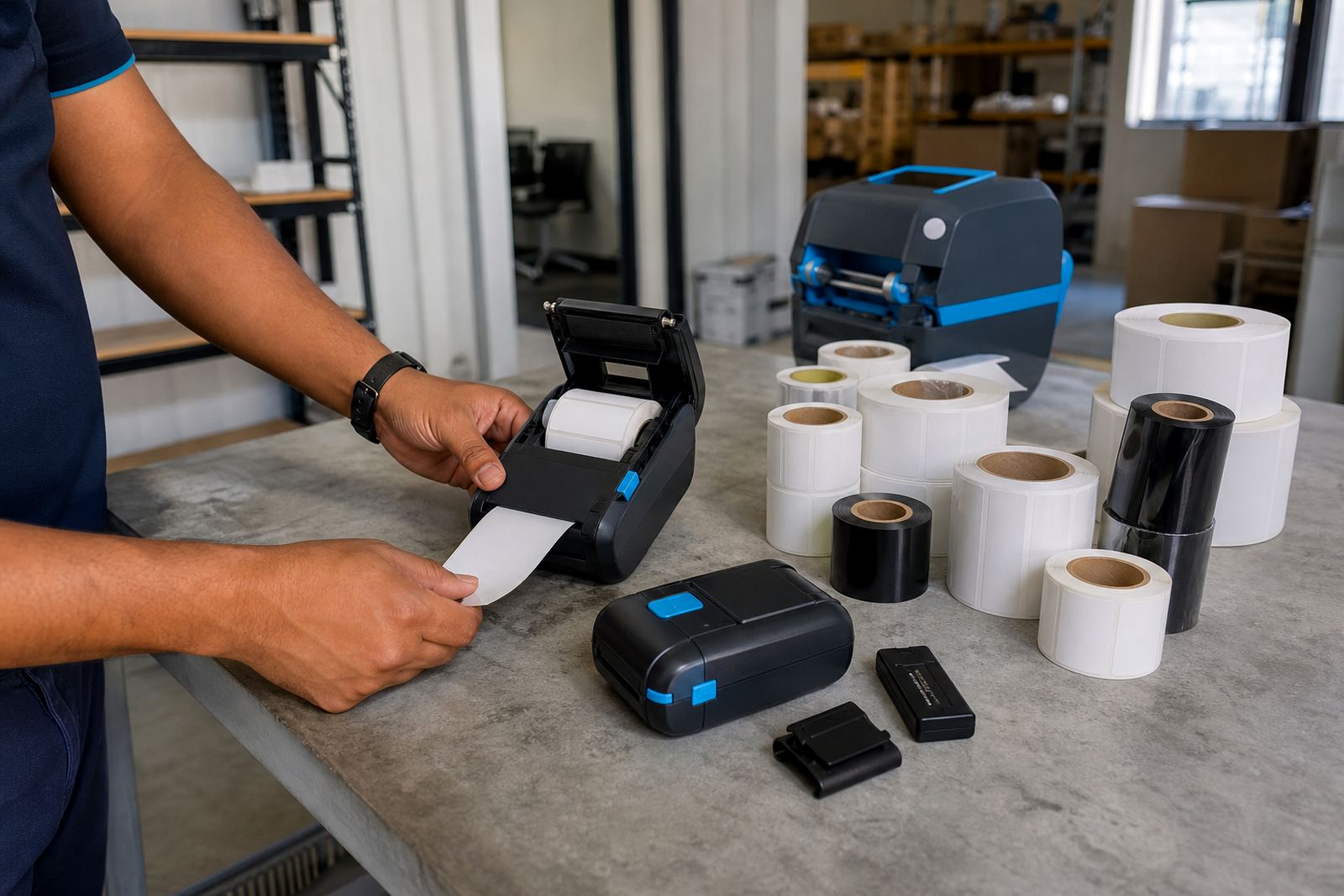
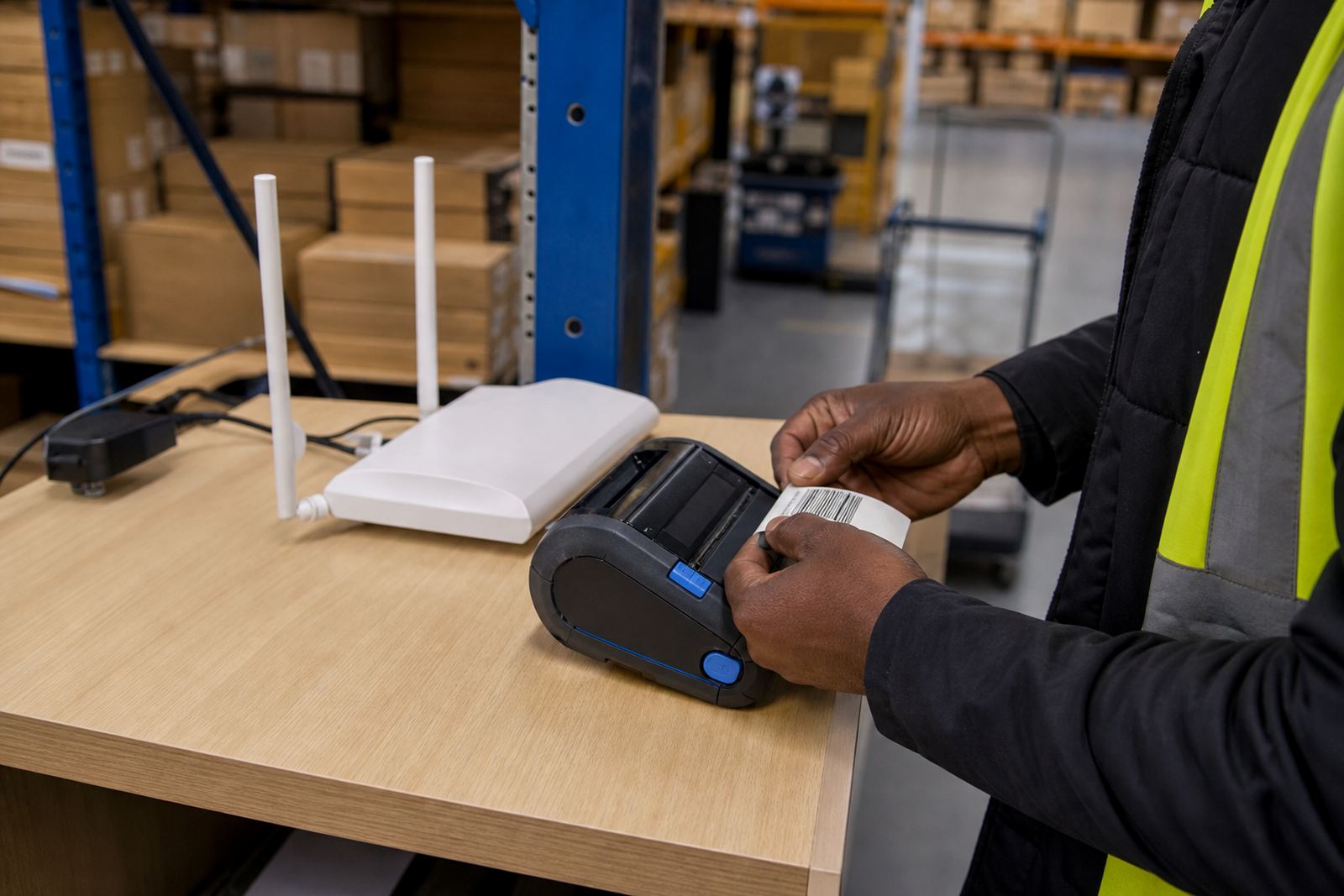
Direct thermal rolls use a heat-sensitive surface that darkens where the printhead heats the label. That makes them a practical match for mobile label printers used for parcel sorting, warehouse picking, shelf marking and counter-side stock control. The print is clean and sharp when the printer is set up correctly, and it is suited to labels that need to be scanned rather than stored for years.
In this trade, the roll matters as much as the printer. The wrong core size, label gap, roll width or outside diameter can lead to feed trouble, poor alignment or a label that will not sit square through the printer path. We supply rolls for common handheld units used in Montague Gardens, Bellville, Midrand and other busy stockrooms where labels are printed close to the work.
- Heat-sensitive direct thermal face stock for short to medium term use
- Barcode and QR code printing for dispatch and internal stock movement
- Roll formats that suit compact mobile printers and belt-carried units
- Label face materials suited to dry indoor handling and general parcel use
Sizes, cores and face stocks that fit mobile printers
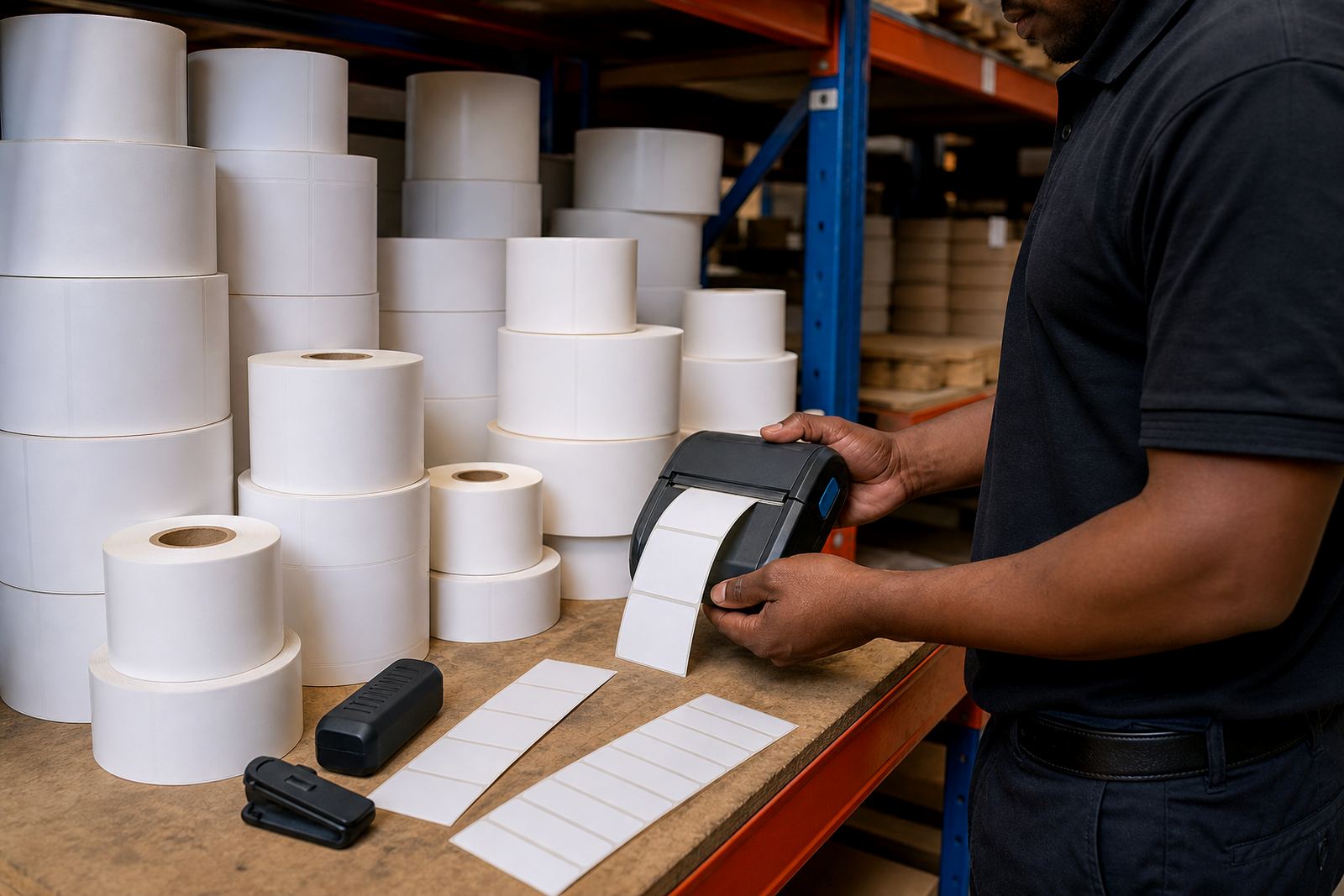
Most direct thermal rolls are defined by width, outer diameter, core size and how many labels sit on each roll. Mobile printers often use narrower rolls than benchtop units, with common widths set for parcel labels, bin labels and small shelf tickets. For courier work, a wider label can carry the address block, reference number and barcode without crowding the print field.
We also look at the roll build. Some jobs need a strong adhesive for corrugated cartons and totes, while others need a removable label for short hold periods on trays or plastic crates. If the label must survive chilled rooms or humid coastal handling in places like Durban or Gqeberha, the face stock and adhesive need proper matching. Direct thermal material can show scuffing if it is dragged across rough cardboard, so the surface finish matters too.
- Widths commonly used in mobile work: 50 mm, 57 mm, 60 mm and 100 mm
- Label formats: continuous, die-cut, black mark and gap sensing rolls
- Core and roll diameter selected to suit the printer compartment
- Adhesive options for cartons, stock trays, courier bags and shelf use
Order details to pin down before the rolls leave the shelf
To match the roll properly, confirm the printer model type, the maximum label width, the core size, the outer roll diameter and whether the printer reads gaps or black marks. You should also know the label size in millimetres, how many labels are on each roll and the adhesive type needed for the surface. A courier label and a bin label may both be direct thermal, but they do not usually share the same shape or feed settings.
It helps to state whether the roll is for warehouse dispatch, retail stock control or field use across Cape Town, Johannesburg, Pretoria, Durban or Gqeberha. If the printer is already in service, mention any feed fault, print fade or barcode scan issue, because that can point to a roll format problem rather than a device fault. Our contact form is the place to send those details, and we can match the roll specification to the printer and the work it needs to do.
- Printer type, label width and core size
- Gap, black mark or continuous feed format
- Label dimensions and adhesive choice
- Indoor, chilled or coastal use conditions
Key facts
| Product type | Direct thermal label rolls |
|---|---|
| Common widths | 50 mm, 57 mm, 60 mm, 100 mm |
| Format options | Die-cut, continuous, black mark, gap sensing |
| Use cases | Courier labels, warehouse stock, retail shelf marking |
| Print method | Heat-sensitive direct thermal |
| Compatibility | Mobile label printers with matching core and feed settings |