Keep the roll in its sleeve until it is needed
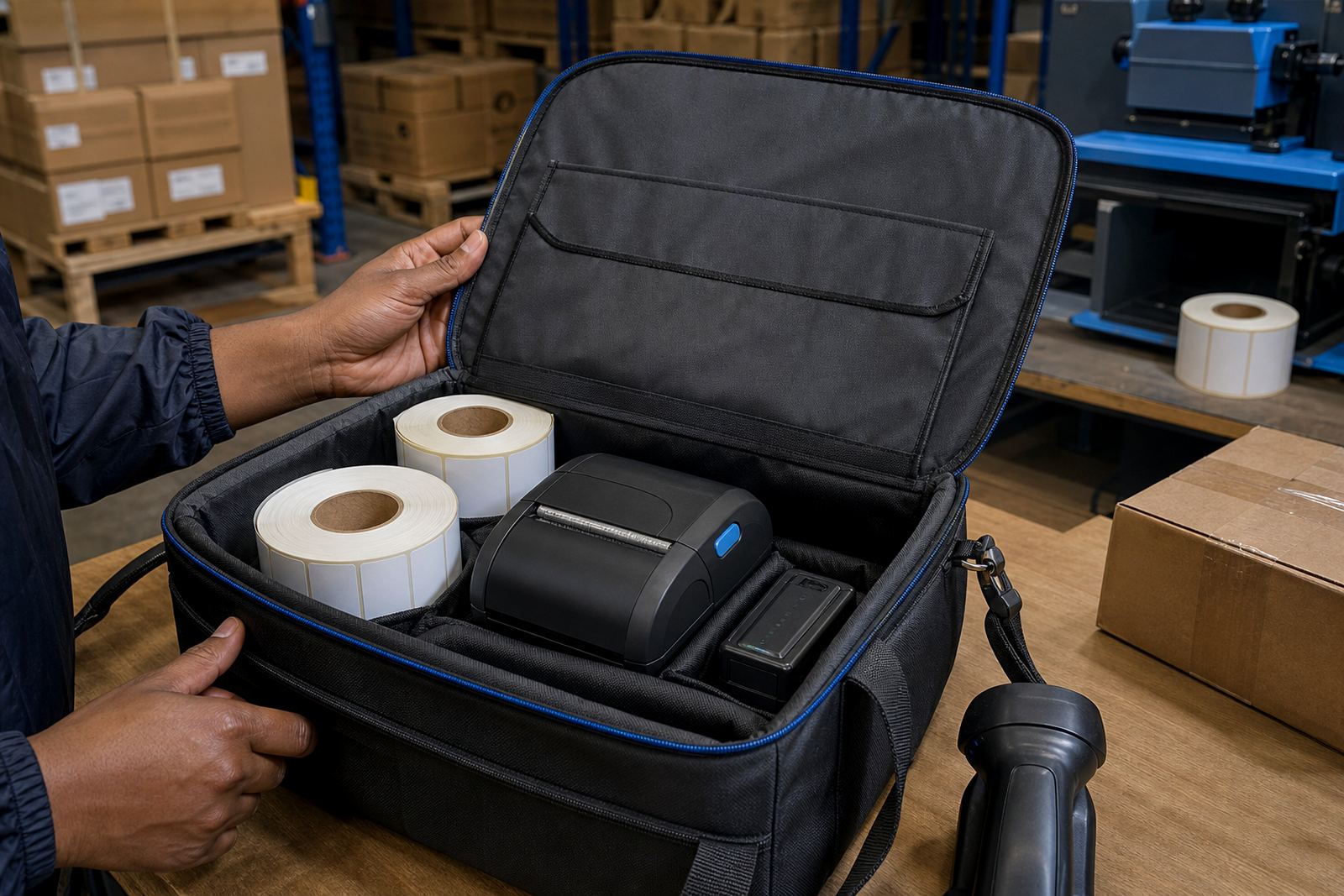
The easiest way to protect label media is to leave each roll in its original sleeve or wrap until it is loaded into the printer. That keeps dust off the face of the labels and stops the edge of the roll from scuffing on shelving, pallets or a workbench.
In Cape Town, especially close to the coast, humid air can soften the outer layer of some label stocks if they are left open on a shelf. Flat storage helps the roll keep its shape, which matters when a mobile printer feeds narrow labels for stock counts, courier parcels or retail price marking.
- Store rolls upright only if the maker allows it, otherwise keep them flat.
- Keep heavy cartons off the rolls.
- Keep label rolls covered when not in use.
Dry air and steady temperature do the quiet work
Thermal direct labels and thermal transfer labels both last better in a dry store room with steady conditions. Heat can curl the labels, while damp air can weaken the adhesive edges and make the first few labels in a roll behave badly during calibration.
A store room that sits near an open roller door or a wet loading bay is usually a poor place for long term media storage. If the warehouse in Montague Gardens shares space with packing, cleaning products or fresh stock, keep label rolls on a dedicated shelf away from spray, dust and daily traffic.
- Store labels clear of concrete floors and any damp walls.
- Do not store media beside cleaning chemicals or solvents.
- Move stock into a clean cupboard or sealed crate if the room is busy.
Match direct thermal stock with its own routine
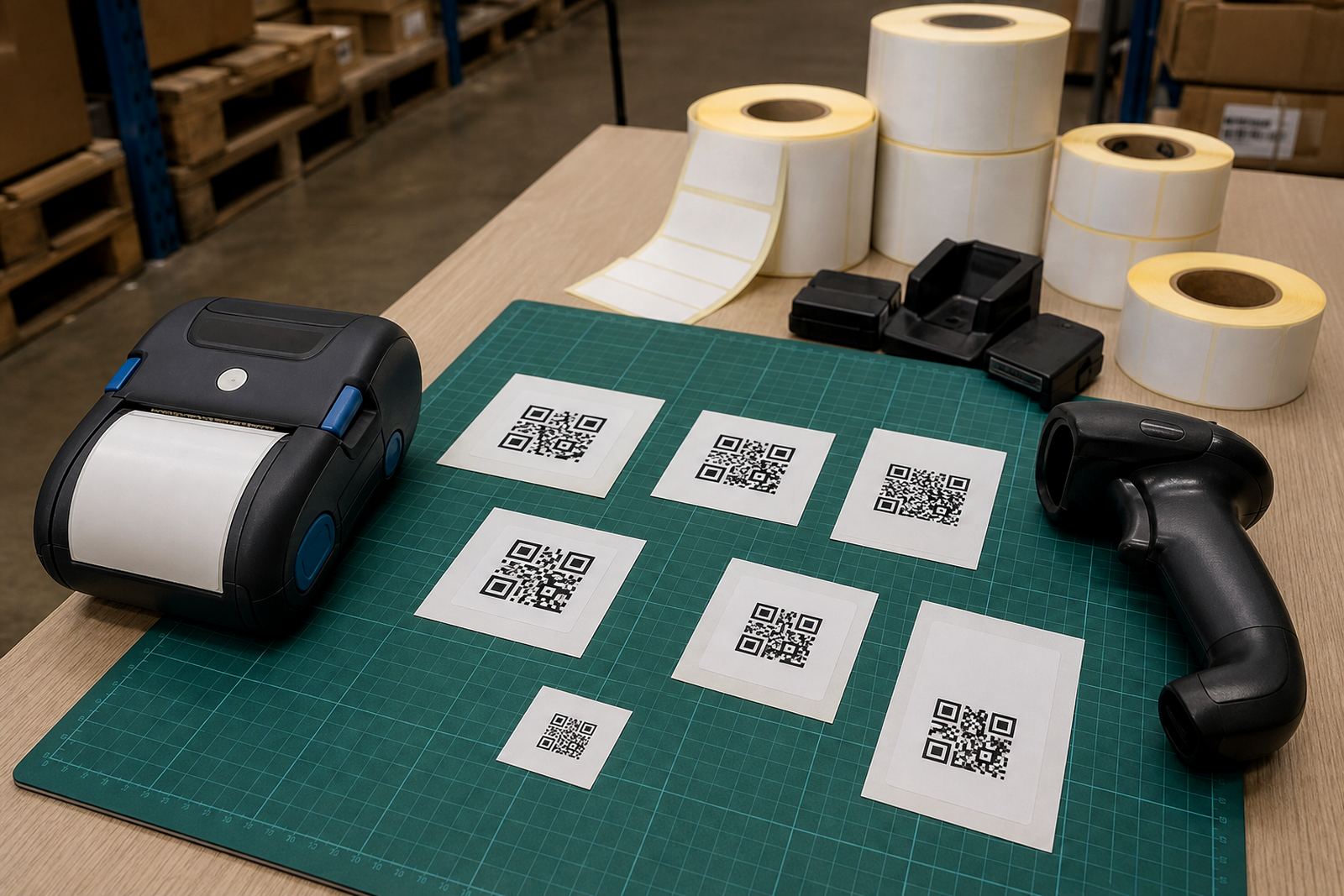
Direct thermal labels are common for courier work and short life marking, but they are sensitive to heat, sunlight and abrasion. Once the surface has been exposed to warmth or rough handling, print contrast can fade and barcode edges may lose sharpness.
For that reason, direct thermal stock should be rotated first and used in the order it was received. A simple date note on the carton helps stockroom staff identify older rolls before newer ones are opened. In a busy retail store, that small habit avoids mixing fresh media with rolls that have already started to curl at the edges.
- Use older rolls first, especially for high volume dispatch work.
- Keep direct thermal labels out of strong sun through windows.
- Check that label liners stay smooth and do not stick to the roll.
Thermal transfer ribbons need their own shelf discipline
Thermal transfer printing depends on a ribbon as well as the label roll, so the storage routine needs a little more care. Ribbons can crease if they are crushed, and that crease may show up as a blank streak or patch in the printed barcode.
Store ribbons flat, in their boxes, and away from dusty corners where loose paper or packing tape collects. If a ribbon has been left in a hot delivery vehicle, let it settle in the store room before use. That helps the coating sit evenly on the roll and keeps the first print run cleaner.
- Keep ribbon boxes sealed until the job needs them.
- Do not bend the core or press on the printed side.
- Separate ribbons for different print widths and label sizes.
Small checks before the roll goes into the printer
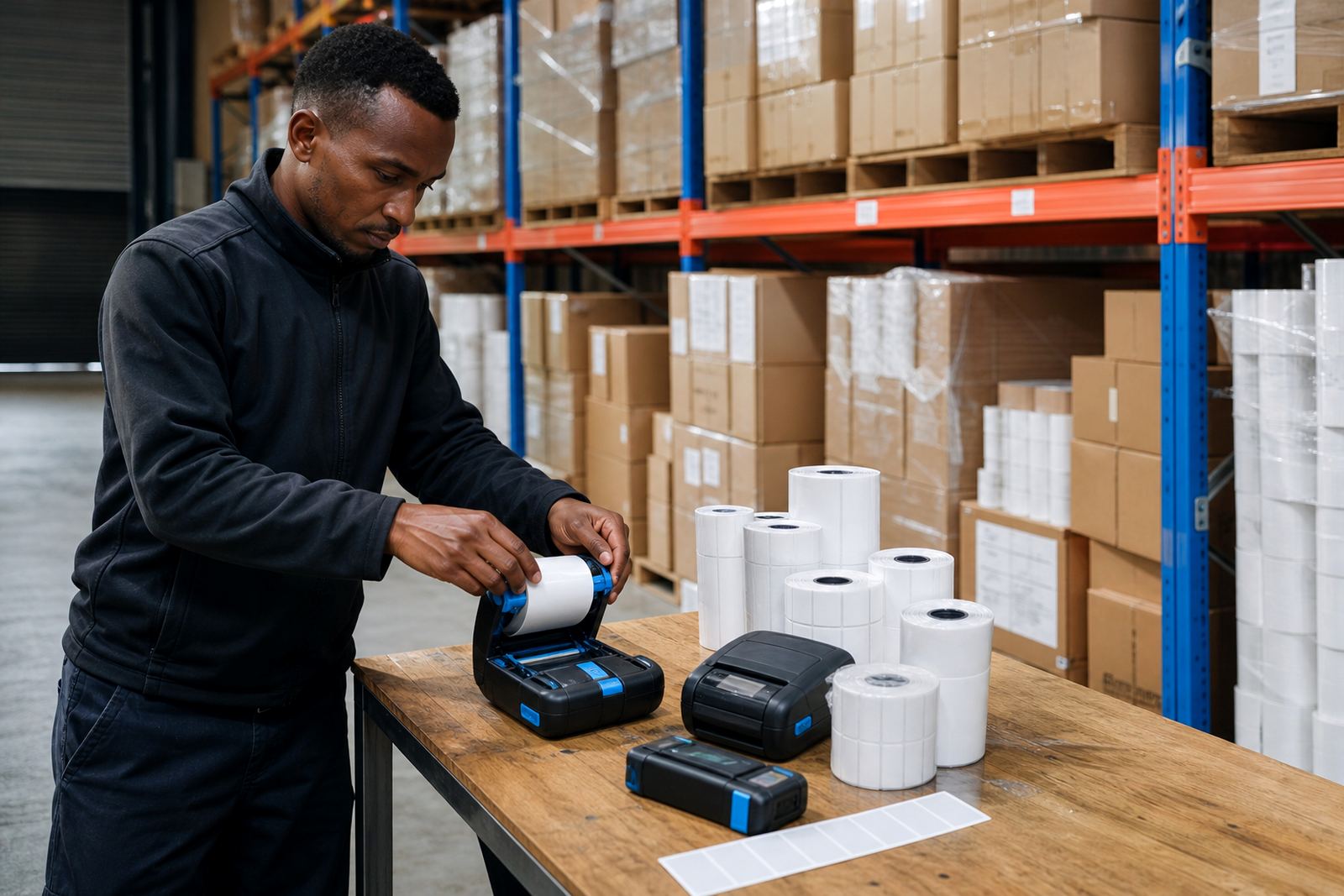
Storage and loading go together. A clean label roll can still give trouble if the edge is dented, the roll is twisted, or the adhesive has picked up dirt from the shelf. Before a mobile printer is loaded, the outer wraps should be checked for dust, curling and loose corners.
A few minutes spent looking at the roll often saves a lot of label waste later. If the stockroom uses Bluetooth or Wi-Fi paired printers across picking teams, the same habit should be shared by every operator so print quality stays consistent from one shift to the next.
- Check the roll edge for dents before loading.
- Wipe the printer path if dust has reached the media.
- Make sure the label size matches the calibration settings.
A Montague Gardens example from a mixed stockroom
A retail stockroom in Montague Gardens may keep courier labels, shelf labels and transfer ribbons on one set of shelves because space is tight. That can work if the labels are grouped by type, the boxes are closed, and the lightest cartons sit on top. The trouble starts when rolls are left open beside a packing bench and then moved straight into a printer with no check at all.
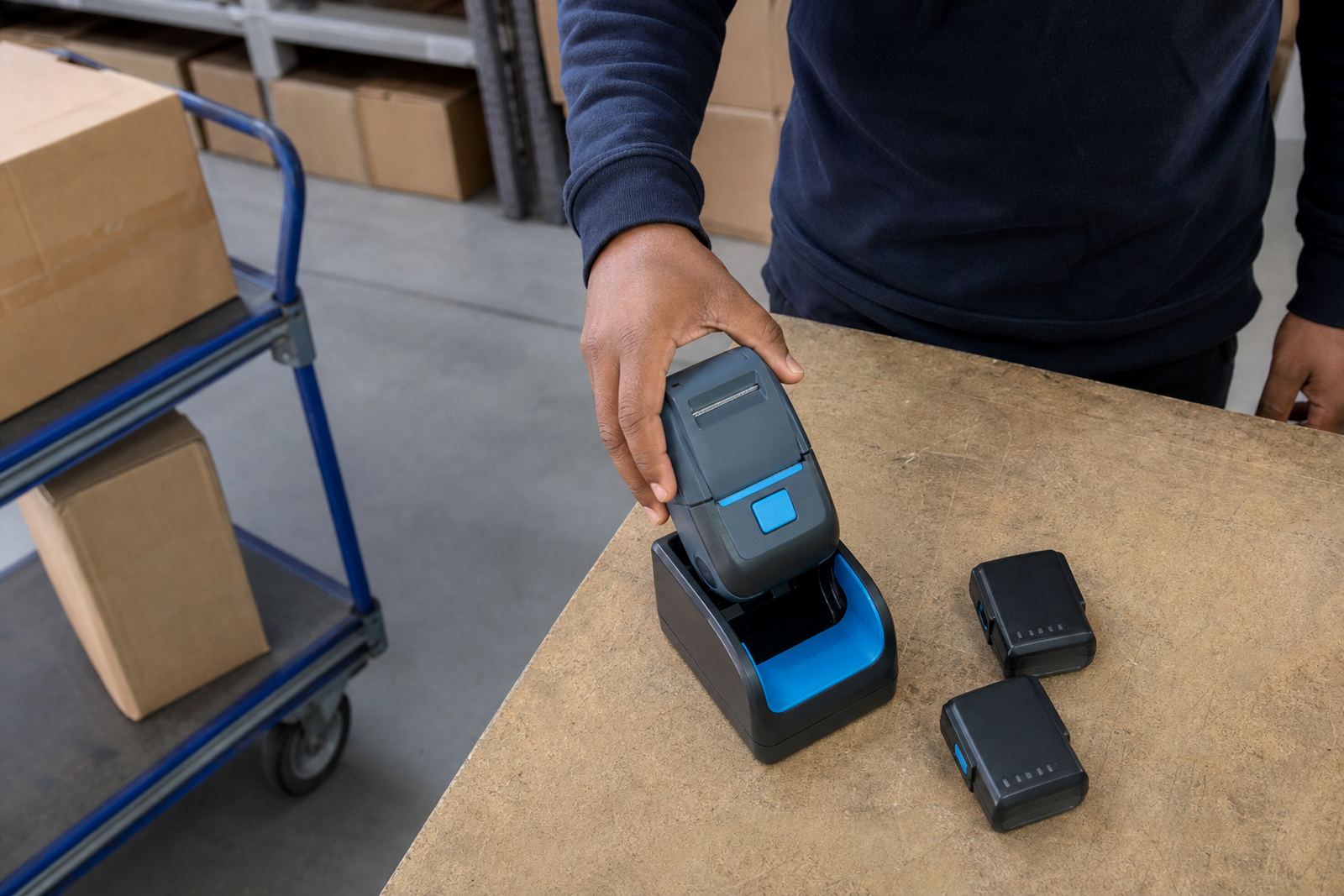
One practical routine is to keep incoming media in a clean cabinet, with direct thermal stock in one section and thermal transfer media in another. Add a simple line for printhead cleaning wipes, spare battery packs and belt clips so the operator is not searching around when a printer needs attention before a route leaves the floor.
- Use one shelf for active stock and another for reserve cartons.
- Label the shelf by media type and label width.
- Keep a small cleaning kit near the printers, not mixed with the rolls.
When storage habits are backed by setup and servicing
Good storage helps, but printers still need the right setup to perform well. Printhead cleaning, battery testing, label calibration and a check of Bluetooth or Wi-Fi pairing all work together with clean media storage. If rolls are flattened, the ribbon is safe, and the printer path is clear, the result is usually a neater barcode and less wasted stock.
For warehouse, courier and retail teams across Cape Town, Johannesburg, Durban, Pretoria and Gqeberha, practical storage habits save time on the floor and reduce avoidable label faults. Our contact form is the place to send setup, servicing or label supply enquiries when the stockroom needs a full reset.