When the roll ends, the job slows
Mobile label printers are built for movement, not for waiting around a packing table. When a courier driver, picker or stockroom runner reaches the last few labels and the route is still not finished, the next parcel, shelf tag or bin label has to wait. That pause is often longer than the label itself.
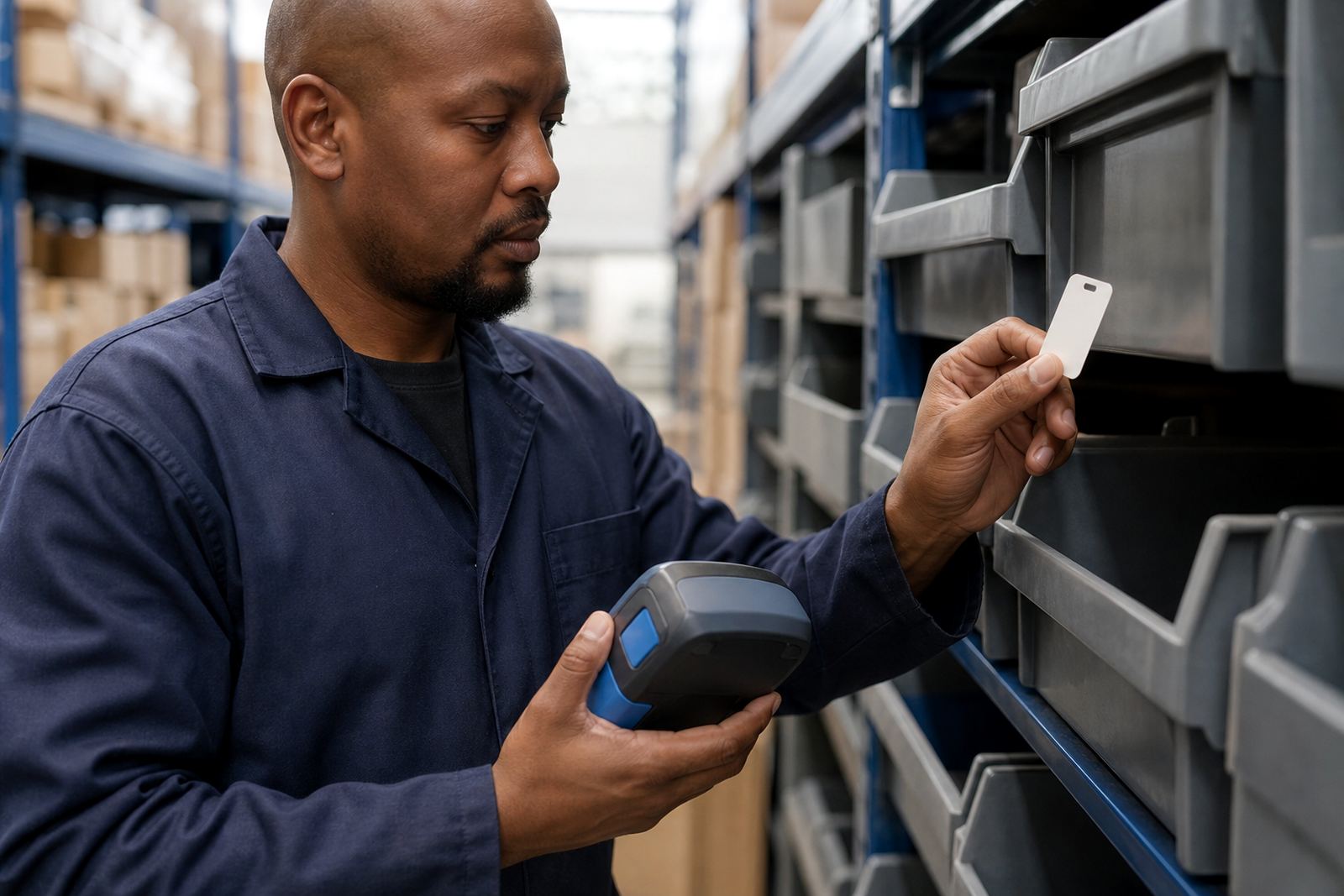
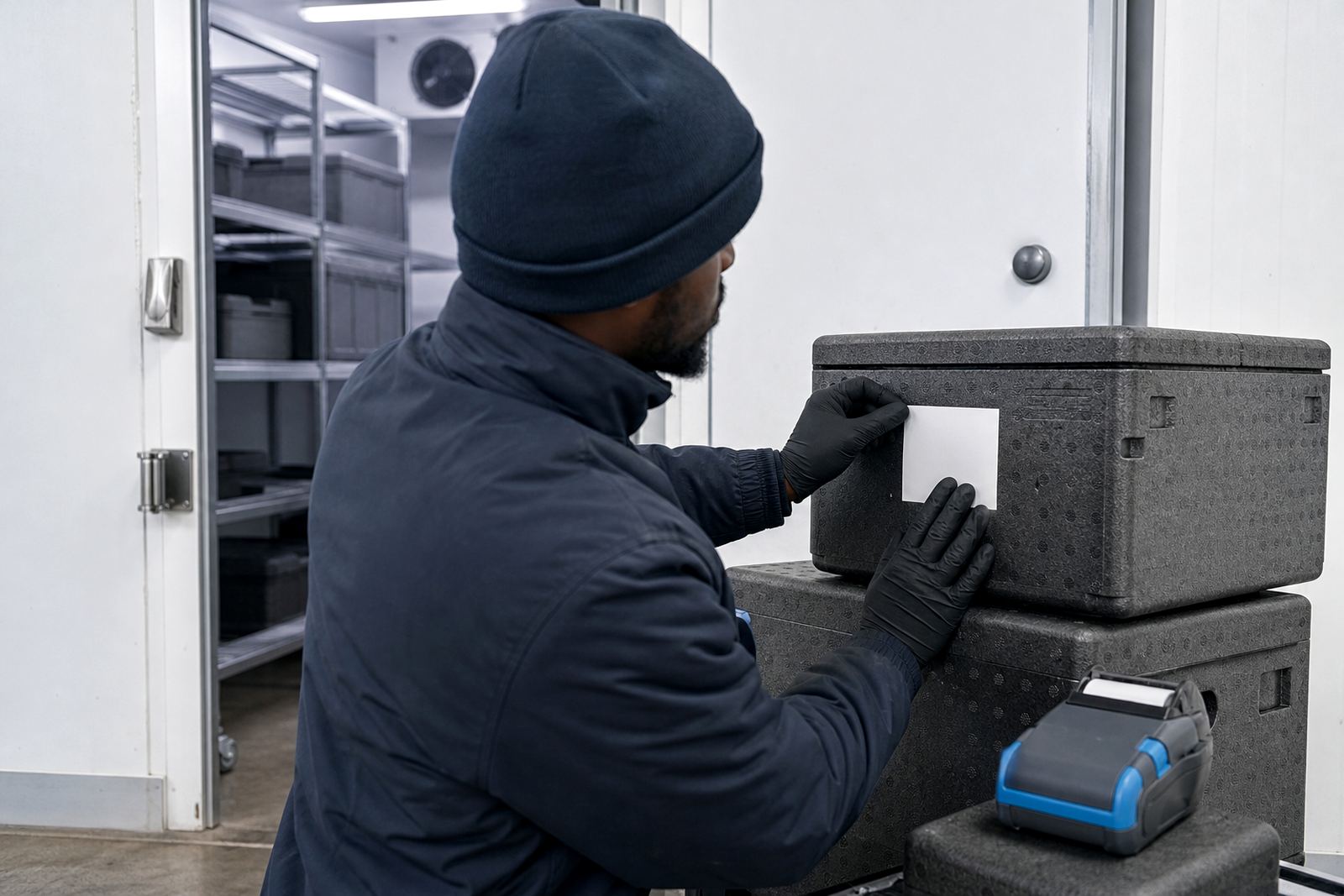
In warehouses and retail stockrooms, the pressure is practical. A missing roll can hold up barcode labels, QR codes and batch stickers, and then the operator has to stop, swap devices or find another printer. A spare roll in the bag or vehicle keeps the print run going and cuts down on loose handling in busy aisles.
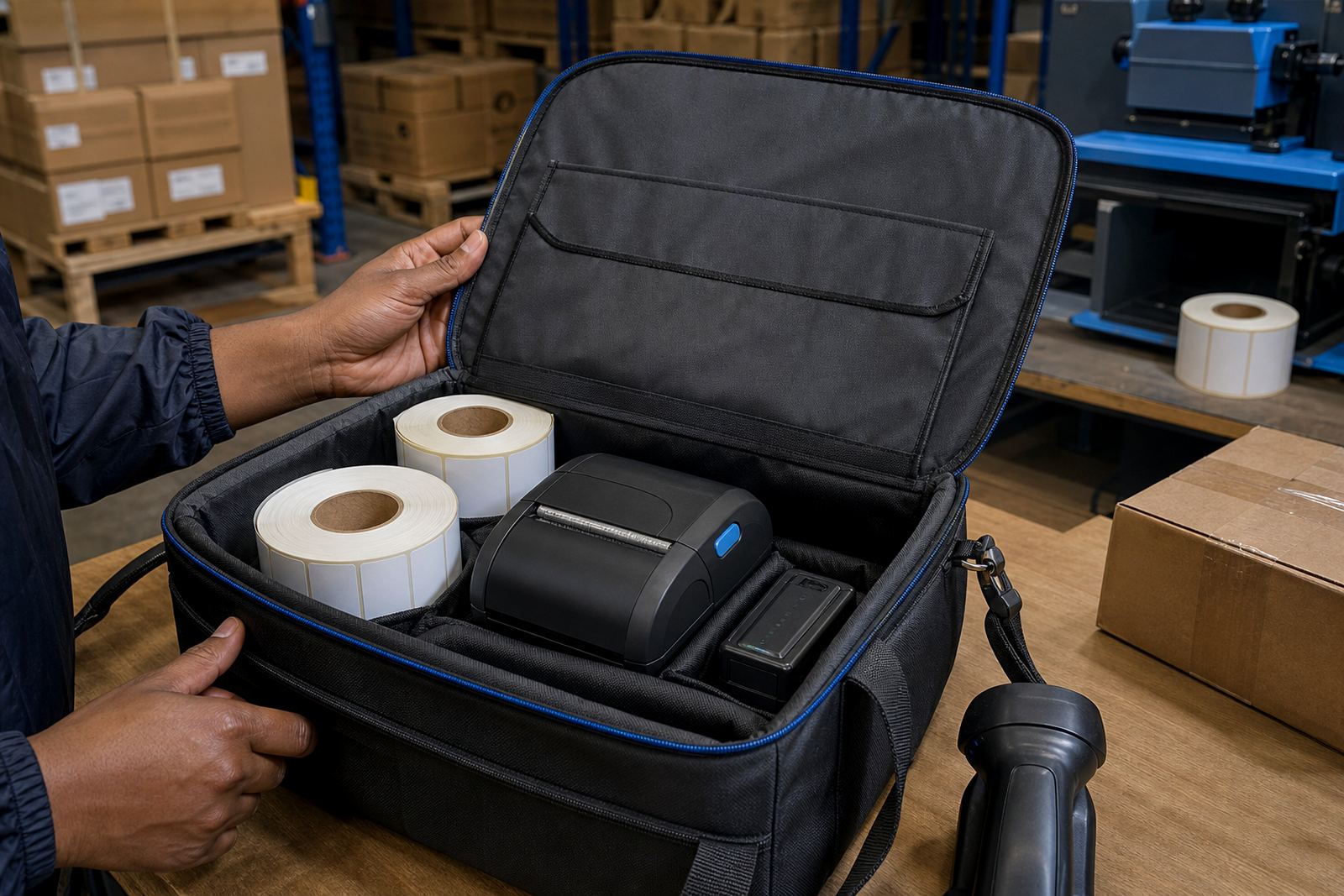
- Keep one spare roll in the vehicle, not only at the base.
- Store rolls in a dry box or pouch to avoid edge damage.
- Match the roll type to the printer before the route starts.
- Check that the label size suits the item, carton or shelf.
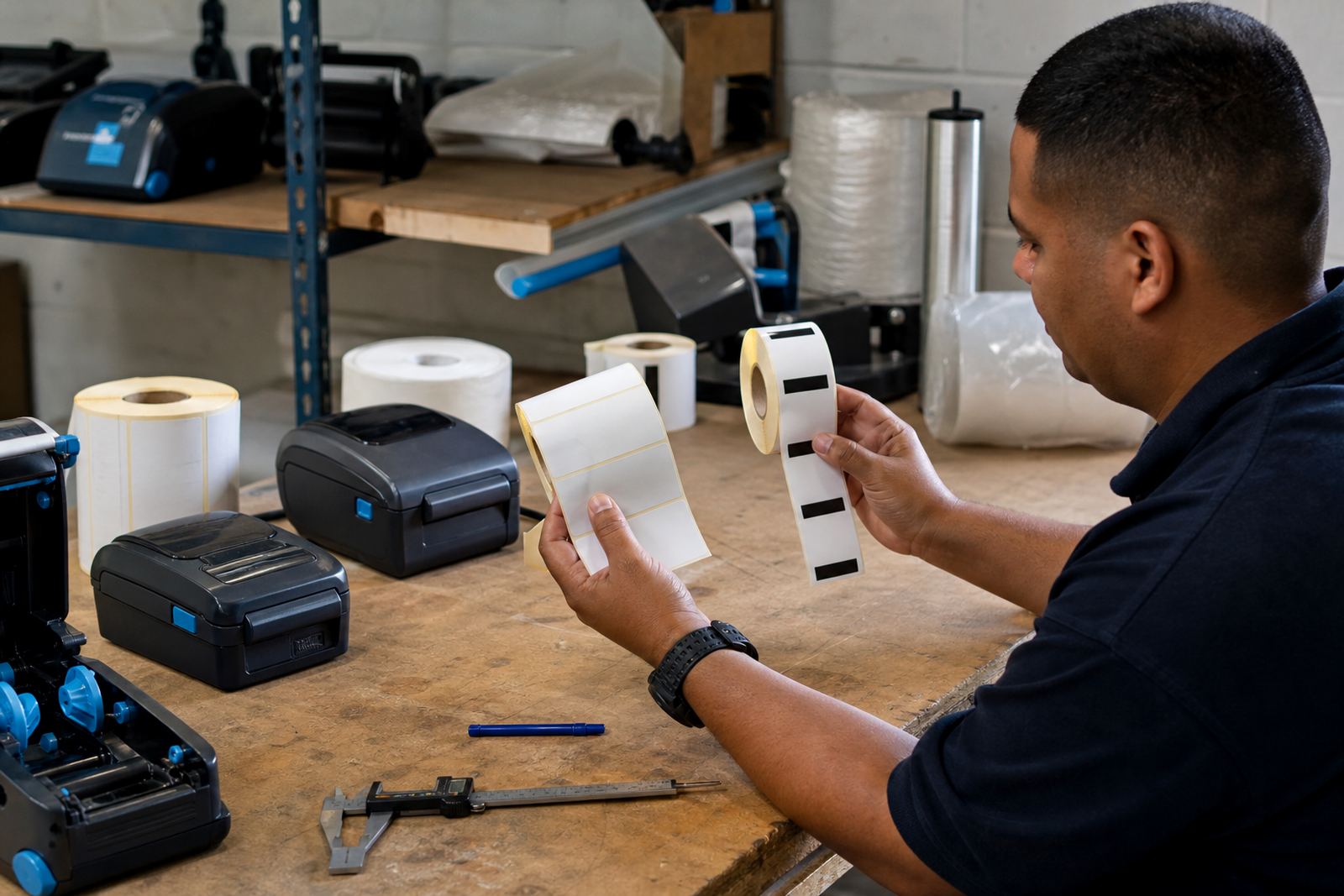
Direct thermal and thermal transfer mean different printing methods
Direct thermal labels work well where the print only needs to last a short to medium time. They suit courier notes, dispatch labels and many warehouse tasks where speed matters more than long-term resistance. Thermal transfer uses a ribbon and works better when labels need to withstand heat, handling or storage over an extended period.
That difference matters when you carry spares. A spare roll is only useful if it matches the print method already loaded in the unit. A direct thermal roll will not solve a thermal transfer job, and the wrong roll can leave faint text, poor barcode reading or wasted stock. On a wet Durban route or in a humid Cape Town storeroom, label choice and storage both affect the result.
- Use direct thermal for short life labels and daily dispatch work.
- Pick thermal transfer for labels that need to stay clear for longer.
- Keep the roll width within the printer’s supported print width.
- Check adhesive strength for cartons, plastic bins or shelf edges.
A spare roll also protects the battery plan
Field teams usually think about battery life first, yet the roll supply affects how a shift feels. When a printer is ready, paired by Bluetooth or Wi-Fi and sitting on a charged battery, a fresh roll lets the operator keep moving without breaking the sequence. That is especially useful when a team is working through multiple drops across Cape Town, Johannesburg or Pretoria.
If the unit is nearing the end of a battery cycle and the roll is also nearly finished, the team can be left juggling two avoidable problems at once. A spare roll reduces that pressure. It also makes battery testing easier because the technician can isolate one issue at a time instead of wondering whether the print fault came from power, media or a dirty printhead.
- Carry a spare roll with the charger and belt clip kit.
- Keep labels sealed until they are needed.
- Protect rolls from heat, dust and crushed edges in transit.
- Use the spare to keep the device productive during long route days.
The small habits that prevent label waste
A spare roll helps, but a tidy routine helps more. Drivers and technicians who handle labels properly waste less stock and get cleaner prints. A roll dropped into a toolbox with loose screws and cable ties can pick up dust or lose its edge, then the printer starts feeding badly. Printhead cleaning matters too, because dust and adhesive residue can cause pale bars or broken QR codes even when the roll itself is fine.
Operators should watch the roll path, close the cover firmly and feed the first label straight. If the label jam starts, forcing the unit usually makes things worse. A better habit is to clear the path, wipe the printhead if needed and fit a clean spare. That keeps the printer ready for the next load, not the next repair.
- Use clean hands when loading fresh rolls.
- Keep the first label straight before closing the cover.
- Wipe the printhead with a suitable cleaning swab.
- Remove stuck label pieces before starting another print run.
What local routes teach about spare stock
A Bellville stockroom worker might use labels all morning on incoming parcels, then switch to shelf marking in the afternoon. A courier team moving through Midrand or Gqeberha can use up a roll faster than expected when the day fills with ad hoc stops. In those moments, the spare roll becomes part of route planning, not a backup afterthought.
At our Montague Gardens, Cape Town base, we see the same pattern across warehouse floors and retail backrooms. Teams that keep a spare roll with the printer, battery and belt clip avoid unnecessary stops, and the operator can keep one rhythm across the whole shift. That kind of discipline matters more than fancy gear when the work is live and the cartons keep moving.
Carry less drama, keep more labels ready
Good label stock is not just about having enough rolls in the store room. It is about carrying the right roll, in the right size, with the right print method and a clean printer to match. That combination keeps barcode labels legible, QR codes scannable and route work moving across warehouses, couriers and retail stockrooms.
Go-Printer supplies thermal mobile label printers, label rolls, batteries and belt clips from Montague Gardens, Cape Town, with on-site setup and repairs across South Africa. We work with Bluetooth pairing, Wi-Fi setup, label calibration, print quality fixes, battery replacement, belt clip repair, label jam clearing and operator training, so the spare roll is part of a working system not a loose item in a drawer.
- Keep one spare roll with every mobile printer in use.
- Match the roll to the printer, label size and print method.
- Protect the media from dust, humidity and crush damage.
- Build printhead cleaning into the normal shift routine.