What the clip is really doing on a busy floor
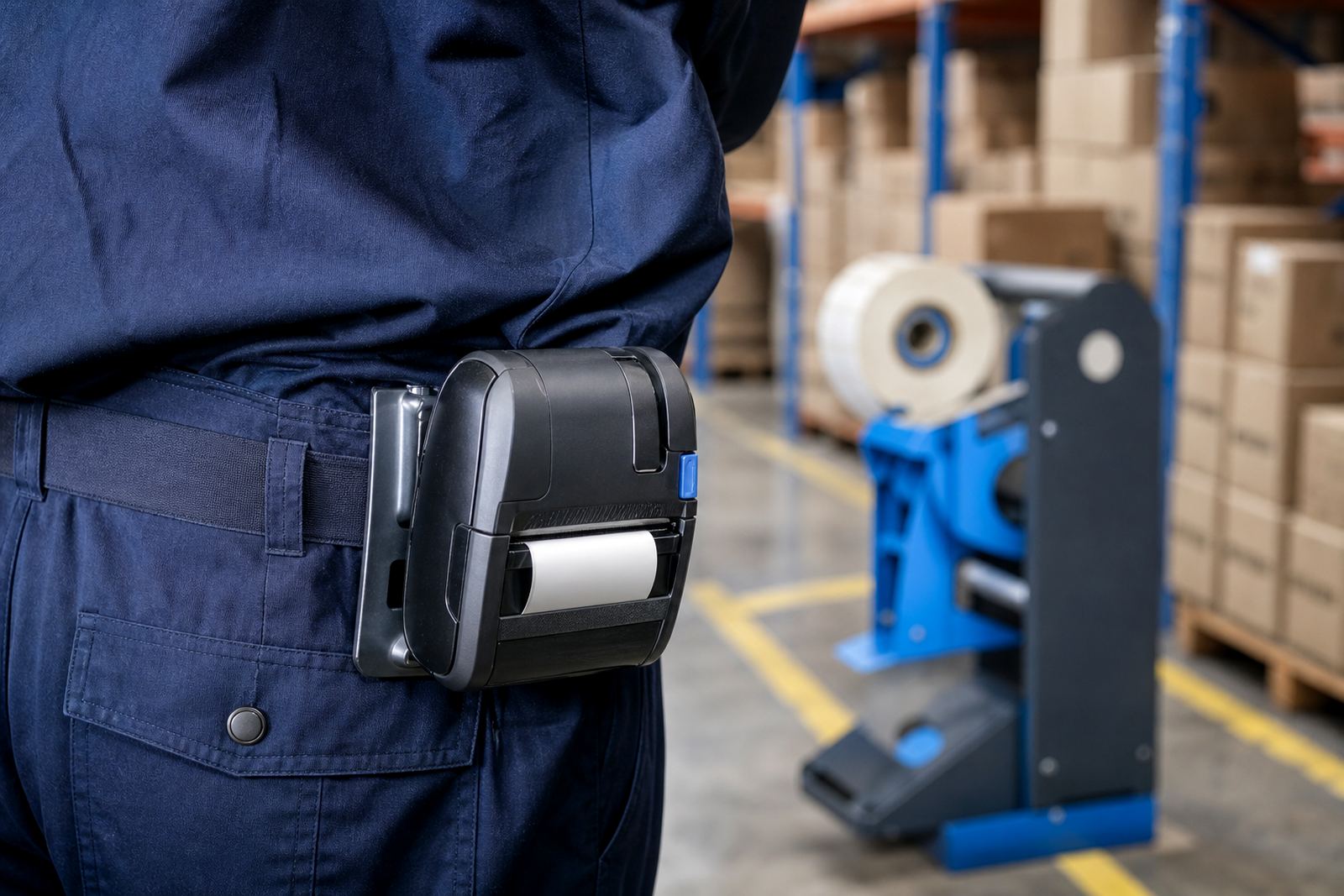
A belt clip does more than hang a printer at the hip. It keeps a mobile label printer within easy reach, so staff can scan, print and move without putting the unit down on a dusty bench or a wet loading bay floor. On a direct thermal printer, that matters because the printer is often used for short runs of shipping labels, shelf tags and barcode labels at the point of picking.
When the clip fits properly, the printer sits steady and the battery compartment stays protected from knocks. If it sits loose, the unit can swing against door frames, pallet edges and cage trolleys. That is when small cracks start, latches loosen and the clip itself begins to bend. In a Cape Town stockroom with narrow aisles, even a light printer can take a knock every few minutes.
Fit, weight and the way people carry it
Thermal mobile printers are not all shaped the same way. Some are compact and narrow, others carry a wider roll and a longer battery, so the clip needs to match the body of the printer. A poor fit shows up quickly. The printer slides down the belt, tilts to one side or digs into clothing and slows the person down.
For couriers, the carry position matters because the printer is often used while climbing in and out of vehicles, crossing a yard or moving from a parcel cage to a dispatch table. For warehouse teams, the printer may travel with a scanner, notebook or handheld device. The clip should let the user kneel, lift and turn without the unit snagging on fabric or pulling on the belt.
- Check that the clip grips firmly and does not rock side to side
- Make sure the mounting point on the printer has no cracks or missing screws
- Test the clip with the battery fitted, not with an empty shell
- Confirm the printer still clears pockets, jacket hems and safety vests
Wear marks that should not be ignored
Wear on a belt clip is usually plain to see. The metal may go shiny where it rubs, the plastic may whiten at the bend line or the hook may open up slightly and lose tension. Sometimes the damage is not on the clip itself but on the printer casing around the fixing point. That is a warning sign, because a clip that still looks usable can fail once the housing has started to spread.
Busy retail stockrooms often notice the problem first during shelf replenishment. The printer starts bouncing, labels miss a print because the unit was dropped onto a trolley, and the operator begins holding it in one hand instead of clipping it properly. A safe carry setup should keep both hands free when needed, not force the user to keep steadying the printer all shift.
- Bent clip arms that do not spring back
- Loose screws, missing washers or broken mounting tabs
- Hairline cracks near the clip bracket
- Printer movement that increases after each shift
Direct thermal and thermal transfer use different carry habits
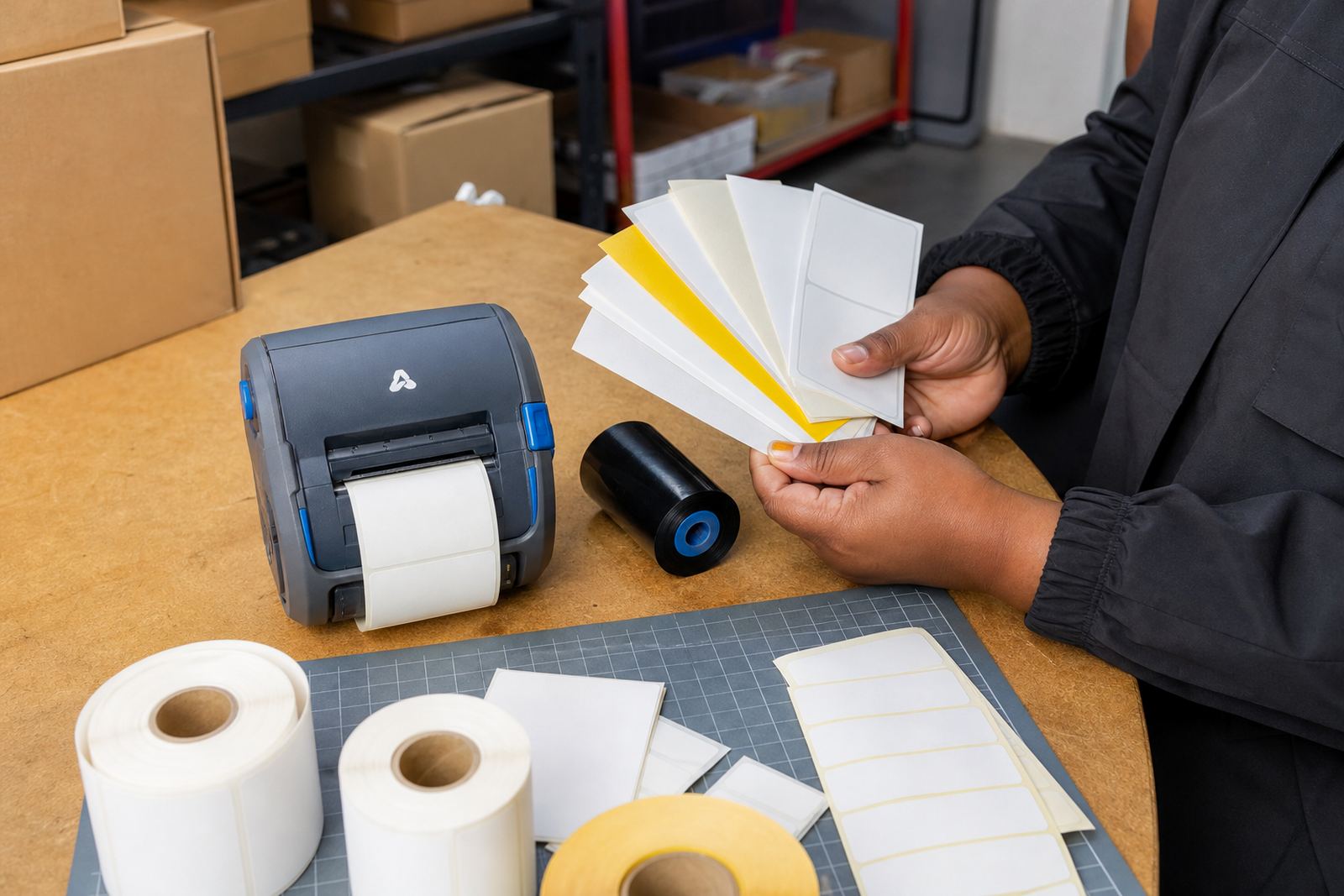
Direct thermal printers are often used for shipping labels, short life stock labels and receipt style work. Thermal transfer printers are used when the label needs better resistance to rubbing, sunlight or handling, and the ribbon adds another consumable into the mix. That extra material can change the weight and balance of the unit, especially if the printer is fitted with a larger roll or a full ribbon path.
In both cases, the clip must suit the working pattern. A courier in Pretoria may need quick access for parcel labels while moving between vehicles, while a stock controller in Bellville may need a steadier carry position for longer picking rounds. The clip should not interfere with opening the cover, replacing labels or checking the battery. If it does, the whole setup becomes awkward and people start carrying the printer by hand, which is when drops happen.
A local repair note from a Cape Town loading bay
At a Montague Gardens depot, a printer kept slipping off the belt whenever staff climbed onto the loading platform. The clip had not broken clean through, but the mounting tab had worn thin and the printer casing showed stress around the screw points. The operator had also been loading the printer with a wide label roll, which made the unit heavier than the clip was meant to carry.
The fix was not only a clip replacement. The printer was cleaned, the battery was checked, the clip fit was tested with the correct roll size and the team was shown how to seat the unit properly before a shift. That kind of practical check saves time later because a failing carry point often shows up before any print fault does.
- Inspect the clip when labels begin to spill or the printer feels unbalanced
- Check battery latch points at the same time
- Look for damage after any drop or knock against racking
- Keep the printer clean so grit does not wear the bracket faster
Useful habits for cleaner carry and fewer interruptions
Good belt clip use is mostly discipline. Keep the printer clipped at the same position each day, so the hand naturally reaches the same way when loading labels or opening the cover. Do not force the clip over a thick web belt if it was made for a slimmer fit. If the unit is being used in a humid coastal area like Gqeberha, wipe the carry points more often because grit and moisture can speed up surface wear.
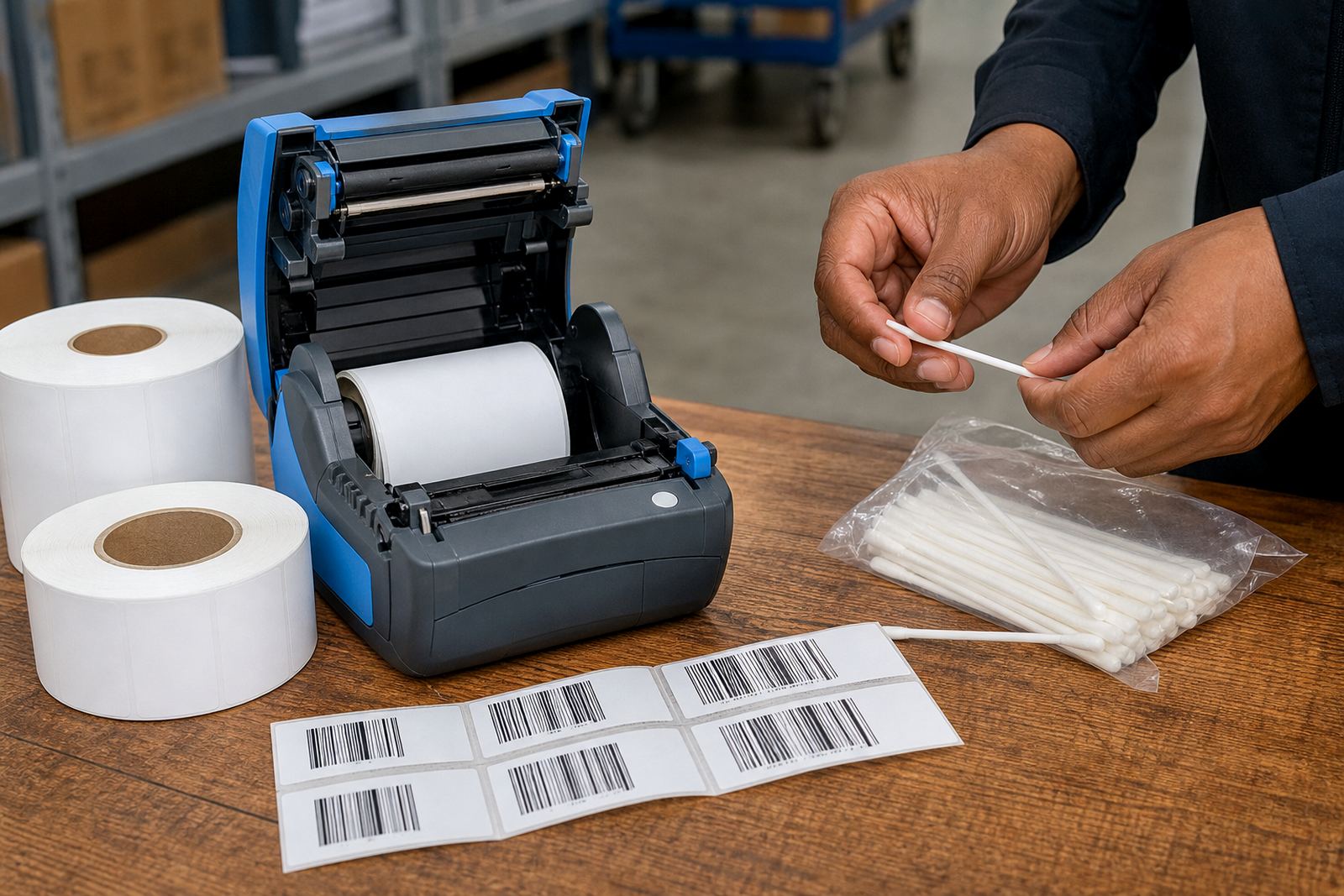
It also helps to treat the clip as part of the printer service, not as an afterthought. Printhead cleaning, label calibration and battery testing are important, but the carry hardware should be checked at the same visit. If the clip is loose, the printer is already under strain and the next fault may be a cracked casing or a broken latch. A tidy carry setup keeps the label printer where it belongs and makes the whole shift less awkward.
When a belt clip needs repair instead of a quick bend back
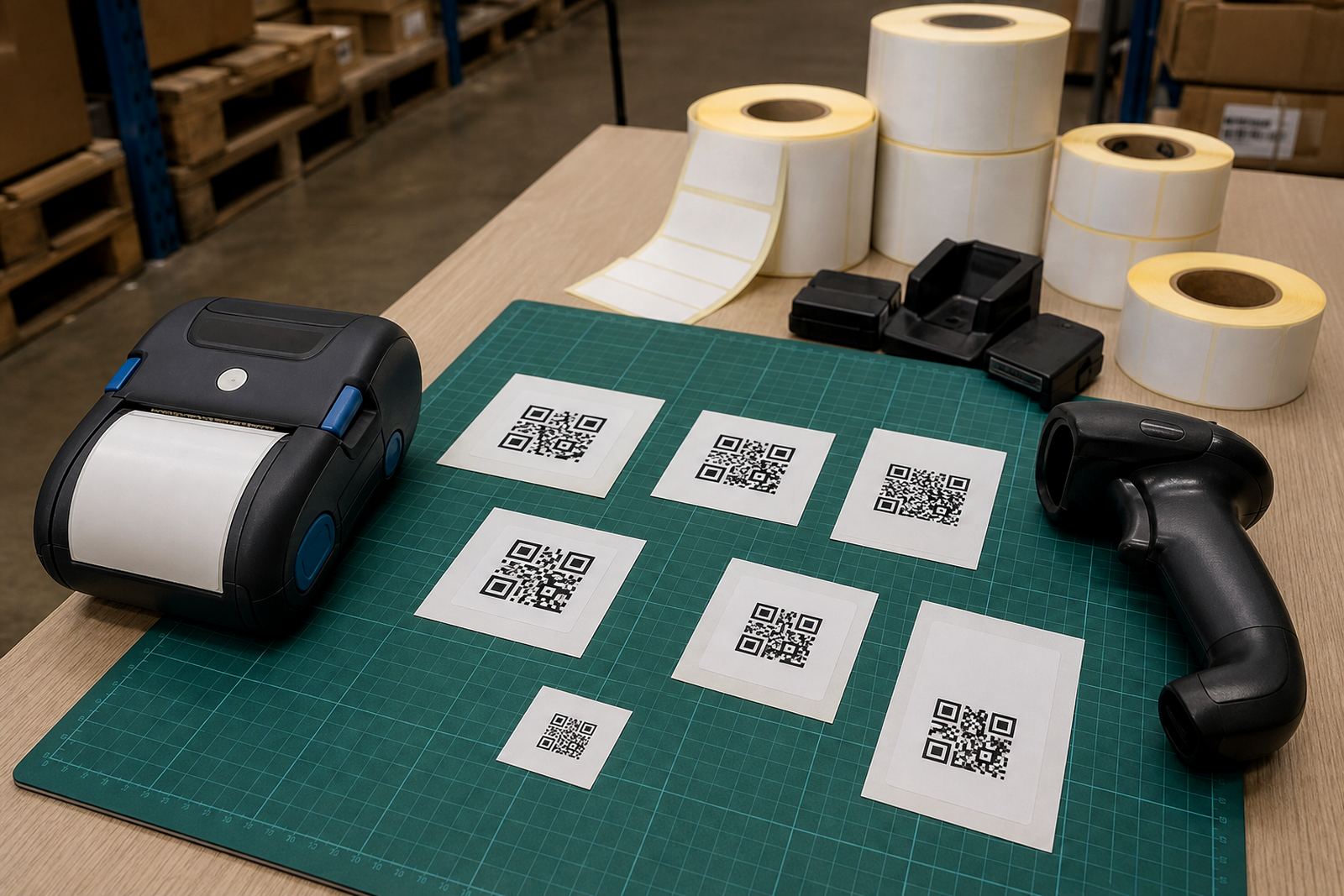
A bent clip can sometimes be corrected, but not every clip should be reshaped on the spot. If the metal has weakened, if a plastic bracket has split or if the printer body is damaged around the mount, a repair or replacement is the safer call. For teams handling barcode labels, QR codes and shipping tags all day, a failed clip can slow the whole picking line and send the printer into the wrong place at the wrong time.
Our team checks belt clip wear alongside battery condition, print quality and label feed. This includes on-site setup and repairs in Cape Town, Johannesburg, Durban, Pretoria and Gqeberha, with support for warehouses, couriers and retail stockrooms. A carry clip is a small part, but on a moving floor it carries real weight. Keep it in shape and the printer stays close, steady and ready for the next label.